








Introduction:The flavor profile of pour over coffee often hinges on precise extraction control. By using the pulse pouring method, not only can the coffee’s flavor complexity be enhanced, but it also helps us understand the components released at different stages. This article presents experimental observations on the extraction performance of a light-roasted Kenyan bean and a medium-roasted Yunnan bean across various pouring stages, offering an in-depth analysis of the flavor characteristics during the bloom, mid-stage, and end-stage. It further provides practical parameter adjustment suggestions to boost sweetness and juiciness, helping you optimize every pour over experience.
In the world of pour over coffee, pouring methods vary widely, among which pulse brewing is widely adopted for its nuanced flavor presentation. But do you truly understand what components each stage of pouring extracts from the coffee? Through comparative experiments, we selected a light-roasted Kenyan Kiambu AA bean with prominent fruity acidity, and a medium-roasted Yunnan Natural Typica bean with nutty notes. Using a four-stage pouring method to separately collect the coffee liquor, and tasting each stage individually, we were able to uncover the flavor secrets of each phase.
In the experiment, we paid special attention to capturing flavors in segments. Using 16 grams of coffee grounds and a total water volume of 240 milliliters, the water was poured in four stages: 30 ml, 70 ml, 70 ml, and 70 ml. The grind size was set to EK43 scale 10 (approximately 80% extraction through a #20 sieve), with water temperature controlled at 90°C, using a Hario V60 #01 filter. With these parameters, we could clearly compare the effects of each pour and the resulting flavor trajectory.

Many coffee enthusiasts have heard the saying that “pulse brewing brings out more layers,” but in practice, few delve into what specific flavors each stage affects. To find answers, we not only used segmented pouring but also collected the coffee from each stage in four preheated sharing pitchers for blind tasting and mixed tastings, validating theoretical assumptions through sensory evaluation.
The two beans selected for the experiment each have distinct profiles: the Kenyan Kiambu AA is a classic high-acid, bright light roast bean, ideal for observing the release rhythm of fruit acids and aromas; while the Yunnan Natural Typica is a medium roast with caramel and nutty tones, useful for analyzing changes in body and sweetness. This comparison allows us to more comprehensively grasp the distribution patterns of flavors at different roasting levels.
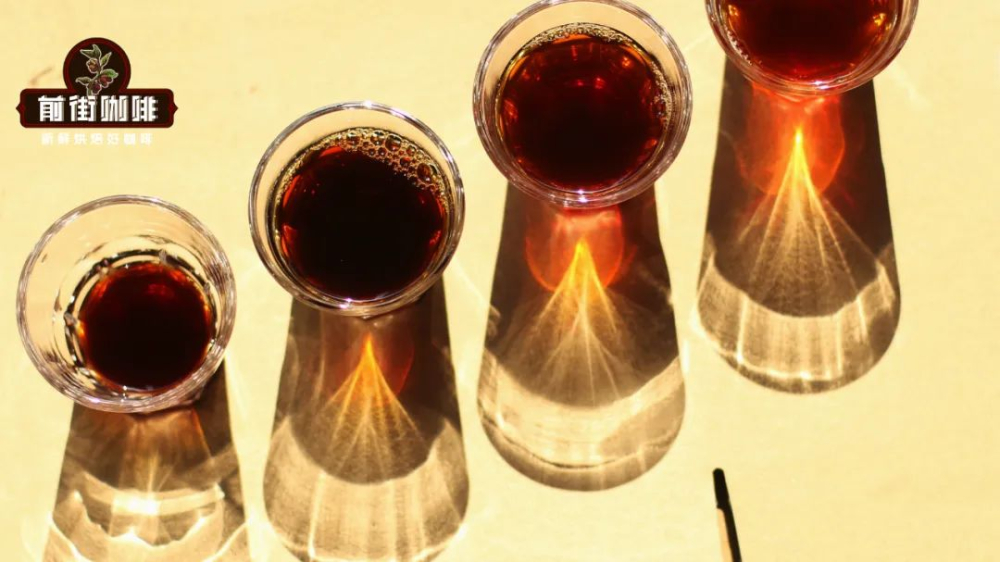
In terms of specific procedure, the first step is to pour 30 milliliters of hot water for a 30-second bloom. This step is not only key to awakening the coffee grounds, but also the starting point for the initial release of acidity. Due to the small amount of water, this segment of coffee liquor tends to be more concentrated, with flavors that are intense and slightly murky, even carrying a mild salty acidity — marking the beginning of the overall extraction.
Next come the second and third stages, which are primarily responsible for extracting fruit acids and core aromatic compounds. During these stages, water is poured in a circular motion from the center outward, gradually raising the coffee bed, with target water volumes of 70 milliliters each. For fruit-acid-forward beans, this stage releases a wealth of floral and fruity acid notes; whereas medium-roast beans tend to yield more caramel aromas and softer fruit acids. The flavors in this stage are clear and well-defined, making it a crucial interval for determining the aroma and the balance of acidity and sweetness in a cup of coffee.
The final stage is the tail pour, mainly extracting soluble substances related to body and aftertaste. However, if this stage is drawn out too long—beyond the ideal extraction window of 2 minutes and 30 seconds—it can easily bring out woody notes, off-flavors, bitterness, and astringency, commonly known as over-extraction. Therefore, extra care must be taken with time and water flow control during the tail pour to avoid negative flavors that could detract from the overall cup quality.
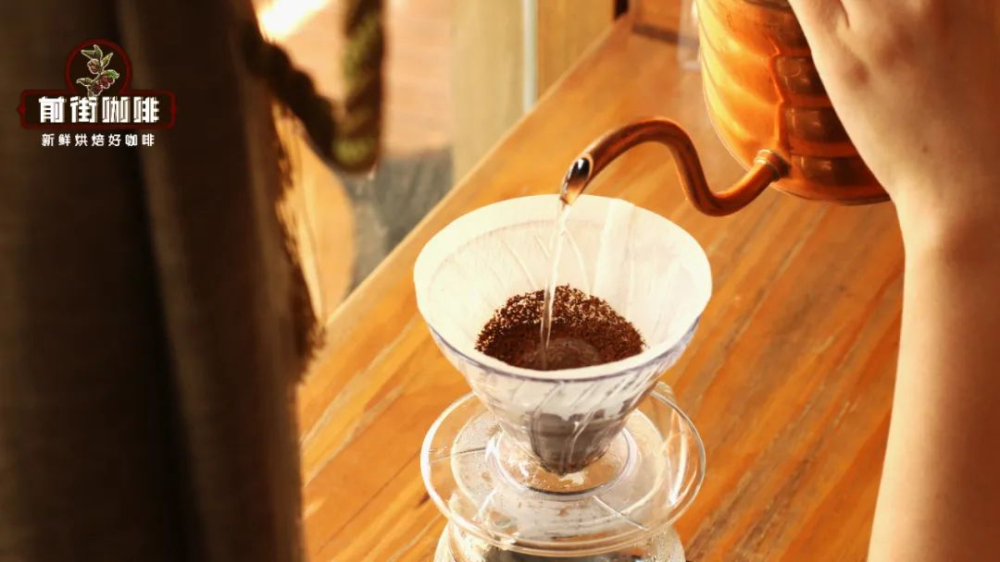
Once you understand the primary substances extracted at each stage, applying these insights to your actual brewing process is key to enhancing coffee flavor. If the coffee beans you’re using are described as having sweet flavor notes, it’s recommended to moderately increase extraction yield—while avoiding over-extraction—by fine-tuning factors such as water temperature, grind fineness, brew time, or by increasing water volume and agitation in the later stages, to bring out more layers of sweetness.
If your goal is to brew a coffee with vivid juiciness, especially when working with light-roast beans, it’s advisable to focus the extraction on the early to mid-stages where fruit acids are prominently released. Taking a common three-stage brew as an example, using 15 grams of coffee and a 1:15 coffee-to-water ratio, you might try a water distribution of “30 ml, 130 ml, 65 ml,” combined with a high-flow circular pour to enhance the expression of fruit acids and aromas, making the coffee more vibrant and layered.
Mastering these flavor patterns and practical techniques of pulse brewing not only helps you present the inherent characteristics of the coffee beans more accurately, but also allows you to flexibly adjust parameters according to personal taste preferences, brewing a great cup of coffee that aligns more closely with your ideal flavor profile.
The above content is compiled by CoffeeHunters, a coffee news website.


