







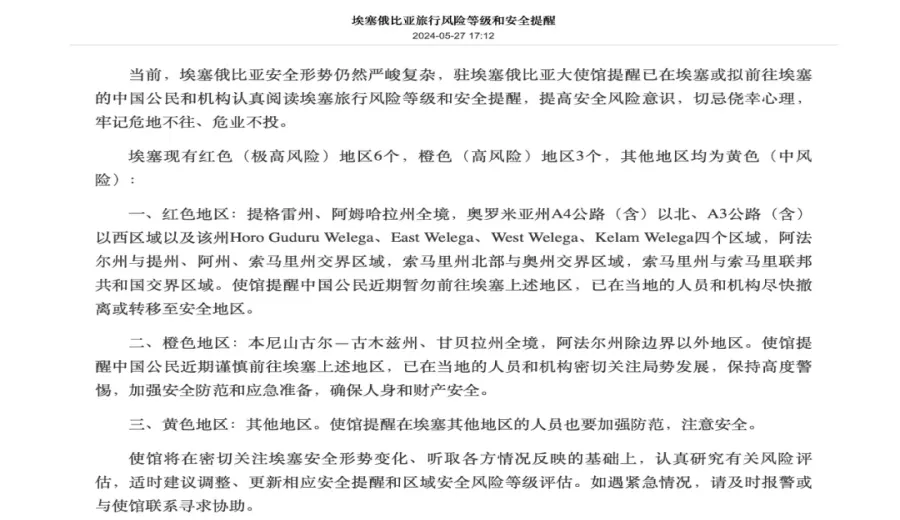
Introduction:Ethiopia’s security situation has deteriorated, with ongoing conflicts between the federal government and local armed forces disrupting the country’s coffee industry supply chain and exports. This article provides an in-depth analysis of the current high-risk zones, the origins of the conflicts, and their potential impacts on coffee production, transportation, and international competitions, helping readers stay updated on the latest regional developments and risk assessments.
Ethiopia’s security situation has continued to escalate recently. The Chinese consulate in the country has issued travel warnings, urging the public to closely monitor risk levels and safety advisories. As several major coffee-growing regions are located in high-risk areas, the ongoing conflict between the federal government and local militias could have profound effects on coffee planting, harvesting, transportation, and exports.
Although coffee exports in the first nine months of this fiscal year (starting July 2023) reached 174,000 metric tons, generating a record revenue of $835.2 million, the coffee industry is facing unprecedented challenges due to escalating civil war risks, potential blockades of key transport routes, and the possible cancellation of the highly anticipated Cup of Excellence competition.
Currently, Ethiopia is divided into 6 red zones (extremely high risk), 3 orange zones (high risk), and the rest as yellow zones (medium risk). Among them,the extremely high-risk red zones include the entire Tigray Region, the entire Amhara Region, and parts of the Oromia Region such as areas north of Highway A4, west of Highway A3, as well as sensitive border areas where multiple regions intersect.The high-risk orange zones cover the entire Benishangul-Gumuz Region, the entire Gambela Region, and parts of the Afar Region. These areas include significant coffee-growing regions, and any outbreak of fighting could directly impact production and the supply chain.
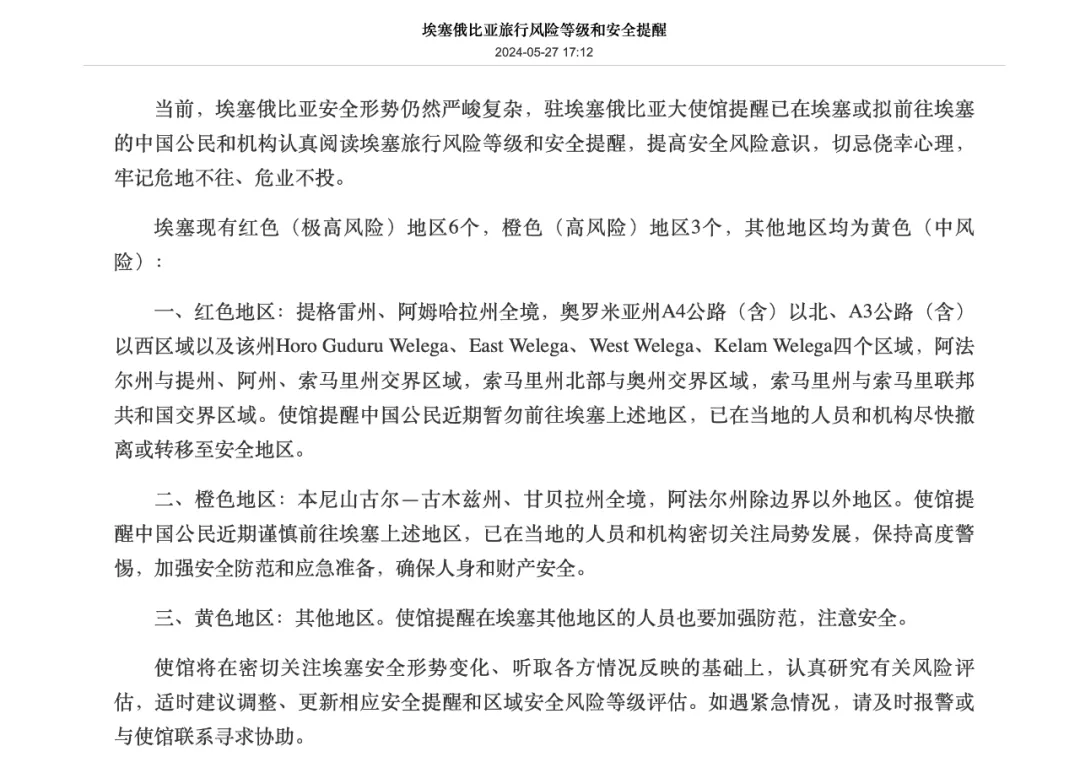
One of the root causes of the conflict is the Ethiopian federal government’s plan to integrate local militias from all 11 regions into the federal army. This move has been strongly opposed by nationalists in the Amhara Region, who believe the government aims to weaken local autonomy and security. Since August 2023, the Fano forces in the region have been engaged in combat with federal troops, and the conflict remains unresolved. According to local media, the government has deployed up to 90,000 new recruits to the Amhara Region, and there are reports of a large-scale military operation to be launched within the next ten days, with the goal of eliminating the Fano forces within two weeks.
Although data from the Ethiopian Coffee and Tea Authority (ECTA) shows strong export performance this season, a full-scale war could not only damage infrastructure but also disrupt transportation routes that connect inland coffee-growing areas to the Port of Djibouti—the country’s main import-export hub. Many of these routes are located in high-risk zones, and potential blockades due to fighting or poor road conditions could severely interfere with coffee export logistics, leading to increased costs, shipment delays, and even impacts on global market supply.
Further economic impacts could include inflation and recession, especially as key industries such as coffee and tourism suffer setbacks, which would negatively affect the national economy and job market as a whole.
Notably, Ethiopia was scheduled to host the internationally renowned Cup of Excellence (COE) competition this July, and had already received over 600 coffee samples for evaluation. However, if the conflict does not subside in the near future, this edition of the competition may face postponement or cancellation. This would mark the second time in a row, following 2023, that the country misses the opportunity to showcase its coffees on the international stage, also dealing a blow to the global exposure of Ethiopia’s specialty coffee.
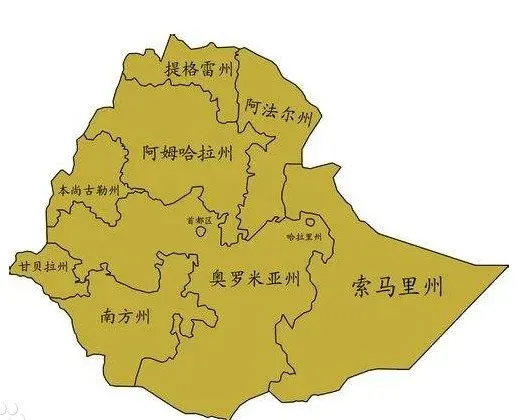
Overall, much of Ethiopia is currently classified as medium to high risk, causing many international coffee traders, roasters, and green coffee buyers to postpone or reconsider their travel and purchasing plans, further impacting the international exchange and development of the country’s coffee industry. For coffee enthusiasts, it is recommended to stay informed about the local situation and to monitor the supply stability and flavor consistency of Ethiopian coffee beans in the coming period, in order to make more informed purchasing and tasting decisions.
The above content is compiled by CoffeeHunters, a coffee news website.


