







Introduction:Faced with fierce competition in China’s coffee market, Starbucks has recently attempted to boost sales by increasing coupon distribution and lowering single-cup prices to below 20 yuan, a move that stands in stark contrast to its previous stance of “not engaging in price wars.” Internally, the company has also implemented cost-control measures such as reducing staff and closing office-area stores on holidays. However, consumers continue to voice negative feedback regarding product quality and pricing, indicating challenges in the brand’s transformation.
Starbucks has recently sparked heated discussion online due to its “purchase-to-stay” policy, becoming a focal point on social media. At the same time, the brand has noticeably shifted its promotional strategy, offering discount prices lower than market expectations through livestreams and its coupon system — with individual drink prices even dropping to as low as 12.84 yuan, drawing significant market attention.
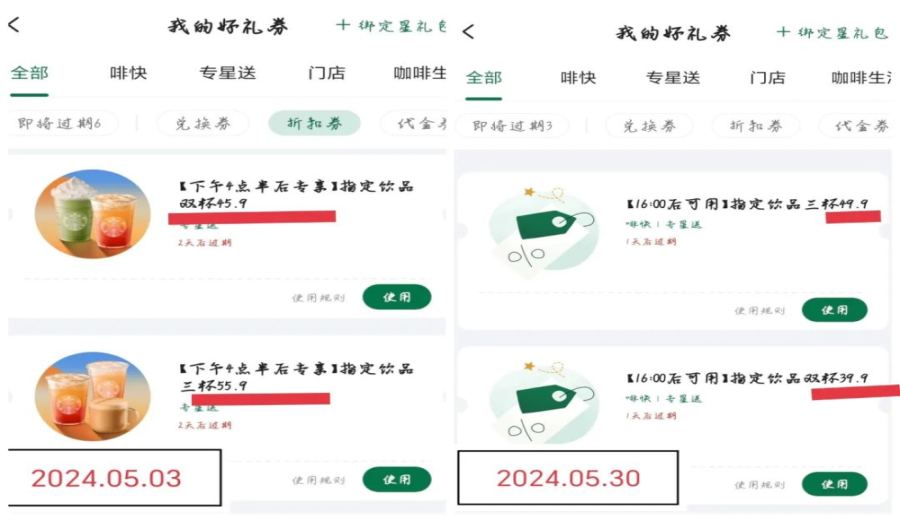
Observations show that previously common Starbucks promotions such as “three cups for 55.9 yuan” and “two cups for 45.9 yuan” have been adjusted to “three cups for 49.9 yuan” and “two cups for 39.9 yuan,” with the resulting per-cup average price falling below 20 yuan — a sharp contrast to the previous pricing strategy averaging around 30 yuan. The official livestream has also featured special offers on Frappuccino medium sizes, with actual payment amounts significantly more than 50% off the original price.
Alongside intensified promotions, Starbucks is also making internal adjustments to cope with revenue pressures. According to insider sources, the brand is now leaning toward hiring part-time staff, and even when full-time positions become available, priority is given to filling them with existing team members to control labor costs. In addition, office-area stores, which rely on weekday commuter traffic, have opted to suspend operations during holidays due to a sharp drop in foot traffic, further reducing operational expenses.
These strategic shifts highlight the pressure Starbucks is under in the face of intense market competition. Although the brand has employed multiple measures such as store discounts and the purchase-to-stay policy to try to boost customer traffic, consumer evaluations of its products as “overpriced and lacking in flavor” remain unchanged.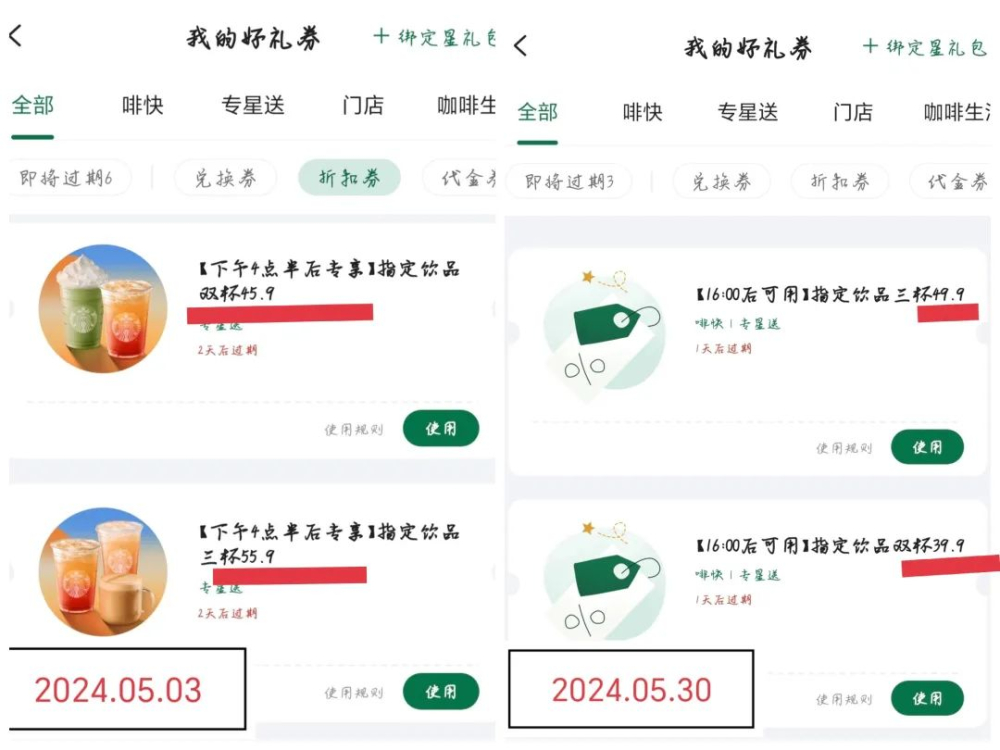
Market observers note that against the backdrop of the rise of local chain coffee brands and increasingly diverse consumer choices, it is becoming increasingly difficult for Starbucks to maintain its premium market positioning. Consumer reactions to the brand’s collaboration events and new product launches have been lukewarm, and skepticism about the actual benefits of its “third space” business model adds to the challenges of its transformation journey.
Experts suggest that to break through in a fiercely competitive market, in addition to adjusting pricing strategies, greater focus should be placed on improving product quality and optimizing the consumer experience. For example, offering differentiated flavor profiles tailored to different consumer groups or deepening service expertise in specialized areas such as pour over coffee could help establish a more distinctive brand value.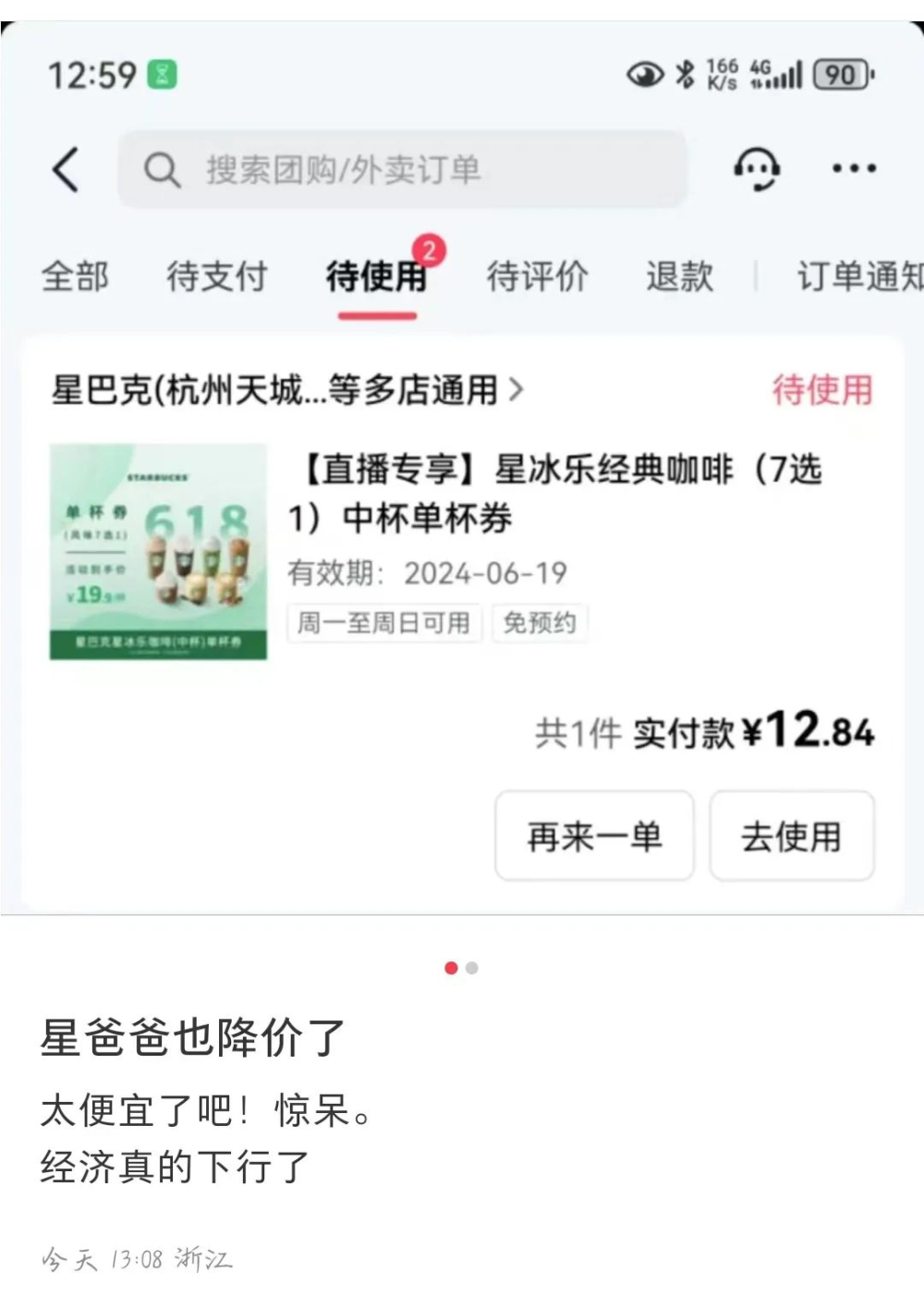
The above content is compiled by CoffeeHunters, a coffee news website.


