







Introduction:Roast level is a key factor influencing the flavor expression of coffee — from bright acidity to balanced sweet and bitter notes, all closely tied to how light or dark the coffee is roasted. The industry commonly uses the Agtron color value chart as a basis for roast grading, but special processing methods such as honey processing and anaerobic fermentation often cause inaccuracies in color-based judgment. This article delves into the principles and limitations of color values, teaching you how to more accurately determine coffee roast levels through roast time and flavor descriptions, thereby enhancing your bean selection and pour over tasting skills.
When selecting coffee beans, aside from origin and processing method, roast level is often a core element that affects flavor expression. Different roast depths directly influence the balance of acidity, sweetness, and bitterness in the final cup, thereby shaping the overall flavor profile of the coffee. As such, whether you're an advanced enthusiast choosing green beans or a daily drinker picking roasted beans, roast degree is an indispensable key indicator.
Many coffee lovers are accustomed to distinguishing between washed and natural processed beans by observing the "white line" on the bean’s surface. When it comes to roast level, they also often rely on visual judgment initially. In fact, the industry has a scientific grading system based on the color of roasted beans — the widely known Agtron color value chart. This system converts the surface color of beans into specific numerical values, serving as a reference standard for determining roast level. Simply put,the higher the Agtron value, the lighter the roast and the lighter the bean color; the lower the value, the darker the roast and the darker the bean color..
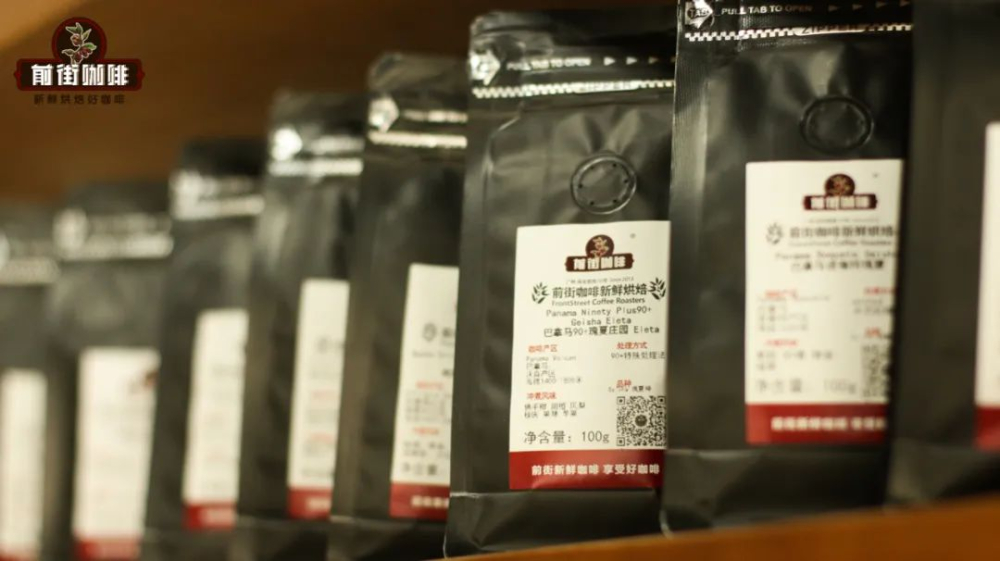
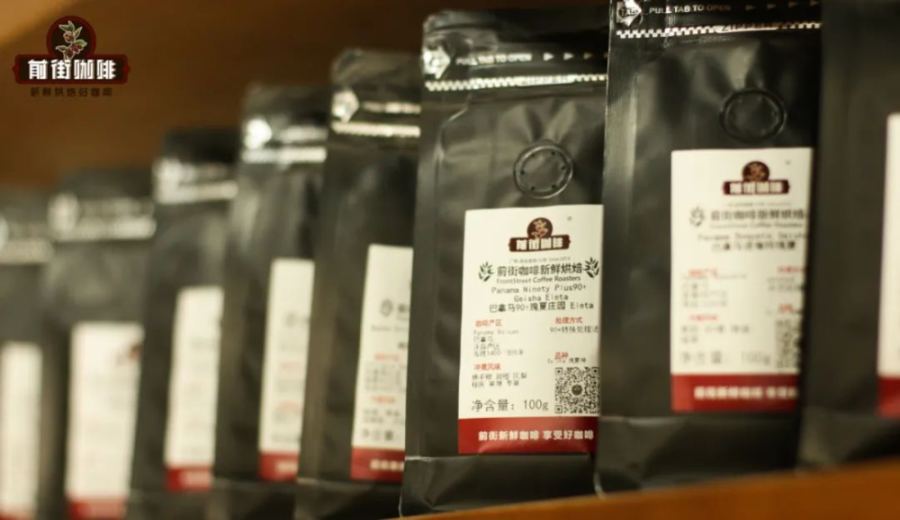
However, experienced coffee enthusiasts may notice that some brands do not explicitly indicate roast level on their bean packaging. Given that there is a color value system to follow, why choose not to label it? The reason is quite simple: the Agtron color value chart only classifies roast levels based on the surface color of the beans, but this standard is not entirely applicable to beans with special processing methods.
For example, honey-processed or anaerobically fermented coffee beans, due to prolonged contact with sugary substances like pulp and fruit juice during processing, develop a layer of sugar on the bean surface. During roasting, these sugars accelerate caramelization reactions, resulting in beans that, despite having rich floral and fruity aromas, appear darker in color due to sugar caramelization. As a result, if one relies solely on color values for judgment, these beans may be mistakenly categorized as dark roasts. For instance, the well-known Geisha variety has an Agtron value as high as 61 — even darker than the typical definition of a dark roast — yet its flavor profile is actually full of vibrant floral and fruity notes.
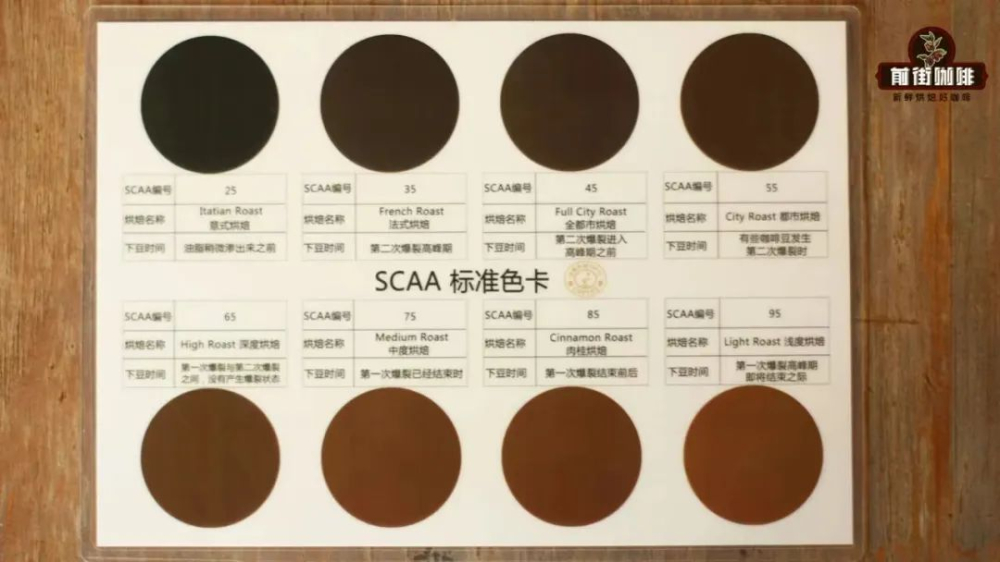
This illustrates that relying solely on color cards to determine roast level has certain blind spots and may also cause misunderstandings among consumers. Additionally, everyone’s definition of “light roast” or “dark roast” is inherently subjective. For example, some shops consider first crack as a light roast, while others believe it must continue developing well past first crack to qualify as light. Such discrepancies in perception can easily lead to communication confusion. Therefore, many professional roasters recommend that consumers judge the roast depth of coffee beans through flavor descriptions and actual taste rather than color alone.
During the roasting process, “first crack” is regarded as a critical milestone in bean maturation. After first crack begins, the roaster can choose to stop roasting and pull the beans out at any point based on desired outcomes. It’s worth noting that green coffee beans contain a large amount of organic acids, which gradually break down or transform as roasting time and temperature increase. Therefore,the earlier the beans are pulled, the more acidity is retained, and the flavor tends to be brighter with lively acidity, typically falling within the medium-light roast range. Conversely, the later the beans are pulled, the more acidity is lost, while caramelization reactions bring out more pronounced sweetness and bitterness, generally placing them in the medium-dark or dark roast categories..
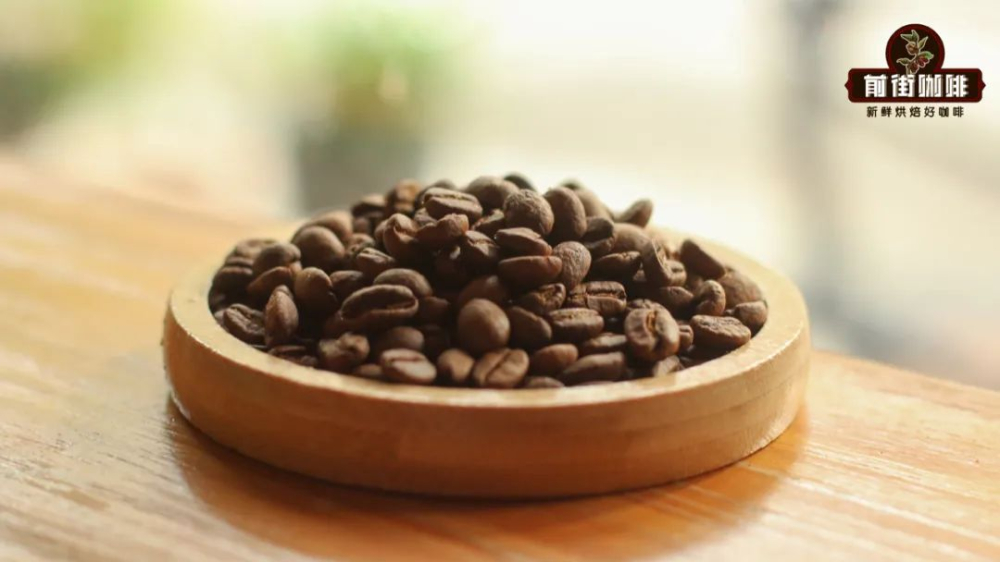
With this basic principle in mind, consumers can use the flavor descriptions on packaging to further infer the roast level of the beans. For instance, when flavor notes include citrus, lemon, berries, or other fruits with distinct acidity, the beans can usually be preliminarily identified as medium-light to lighter-medium roasts. If the flavor description includes elements like melon, peach, or complex fruits that offer both sweetness and fruitiness, it may fall within the medium-light to medium range, with relatively noticeable sweetness. When labels feature words like chocolate, brown sugar, or cane sugar, they often point to medium-dark roasts with balanced sweet and bitter profiles. Finally, if the flavor description includes darker notes like dark chocolate, caramel, pine, or smokiness, the beans are likely medium-dark to darker roasts.
Of course, these correlations between flavor and roast level are only for preliminary reference — the actual tasting experience remains the ultimate benchmark for verifying roast depth. We recommend that consumers pay close attention to flavor descriptions while shopping, align them with their own taste preferences, and further validate the beans’ true characteristics through hands-on brewing. Only then can you find the coffee that best suits your palate.
The above content is compiled by CoffeeHunters, a coffee news website.


