







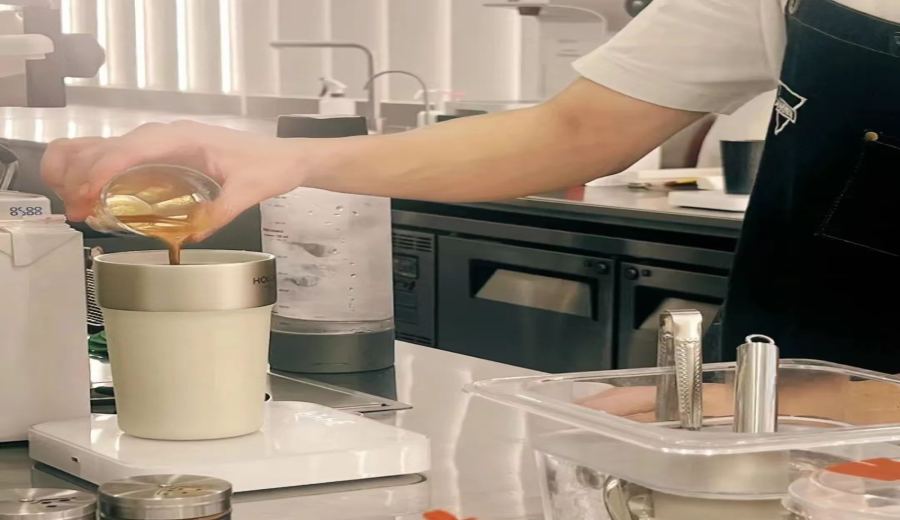
Introduction:Have you ever received an “Americano” without any espresso at a coffee shop, or a “latte” that’s almost all milk? These common “mistake drinks” often occur during peak business hours. Even highly skilled baristas can make errors when working too quickly. This article delves into real-life cases shared by netizens, analyzing operational procedures, human factors, and potential issues with equipment automation to help readers understand the reasons behind these “missing espressos,” and offers practical advice for consumers.
In coffee shops, baristas repeatedly perform actions such as dosing, distributing, tamping, and extracting coffee. These steps have become second nature, ingrained in their muscle memory. Even with their eyes closed, they can skillfully prepare a standard shot of espresso. However, when the shop is overwhelmed with orders, even the most experienced baristas can become flustered by the fast pace, leading to some laughably unfortunate “mistake drinks.”
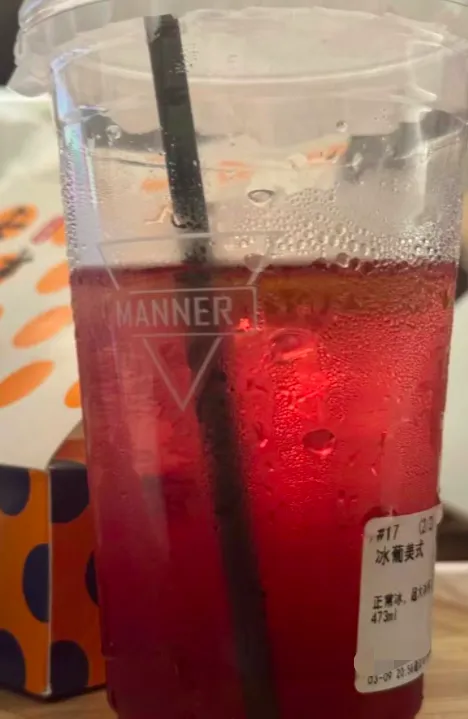
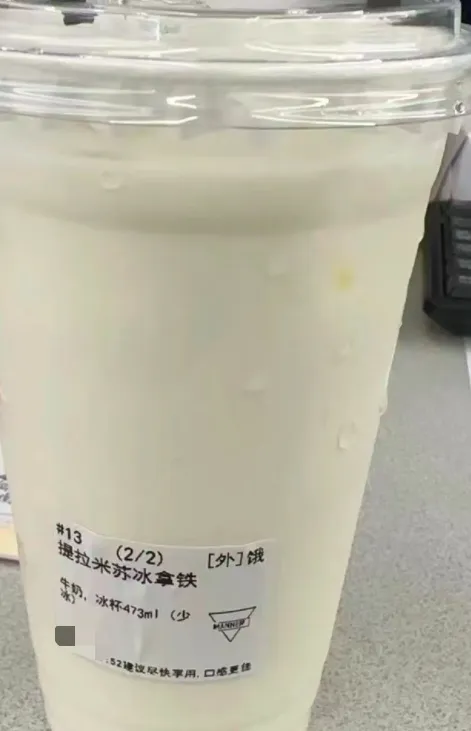
On social media platforms, it’s not hard to find customers sharing their experiences with “specially customized” coffees: like an Americano without espresso, a clear orange latte that’s basically just milk, or even a crushed ice lemon drink that completely forgot the coffee grounds. These mishaps often happen during periods of extremely high order volume and fast work节奏, and are closely related to factors such as staff fatigue, labor shortages, or chaotic automated processes.
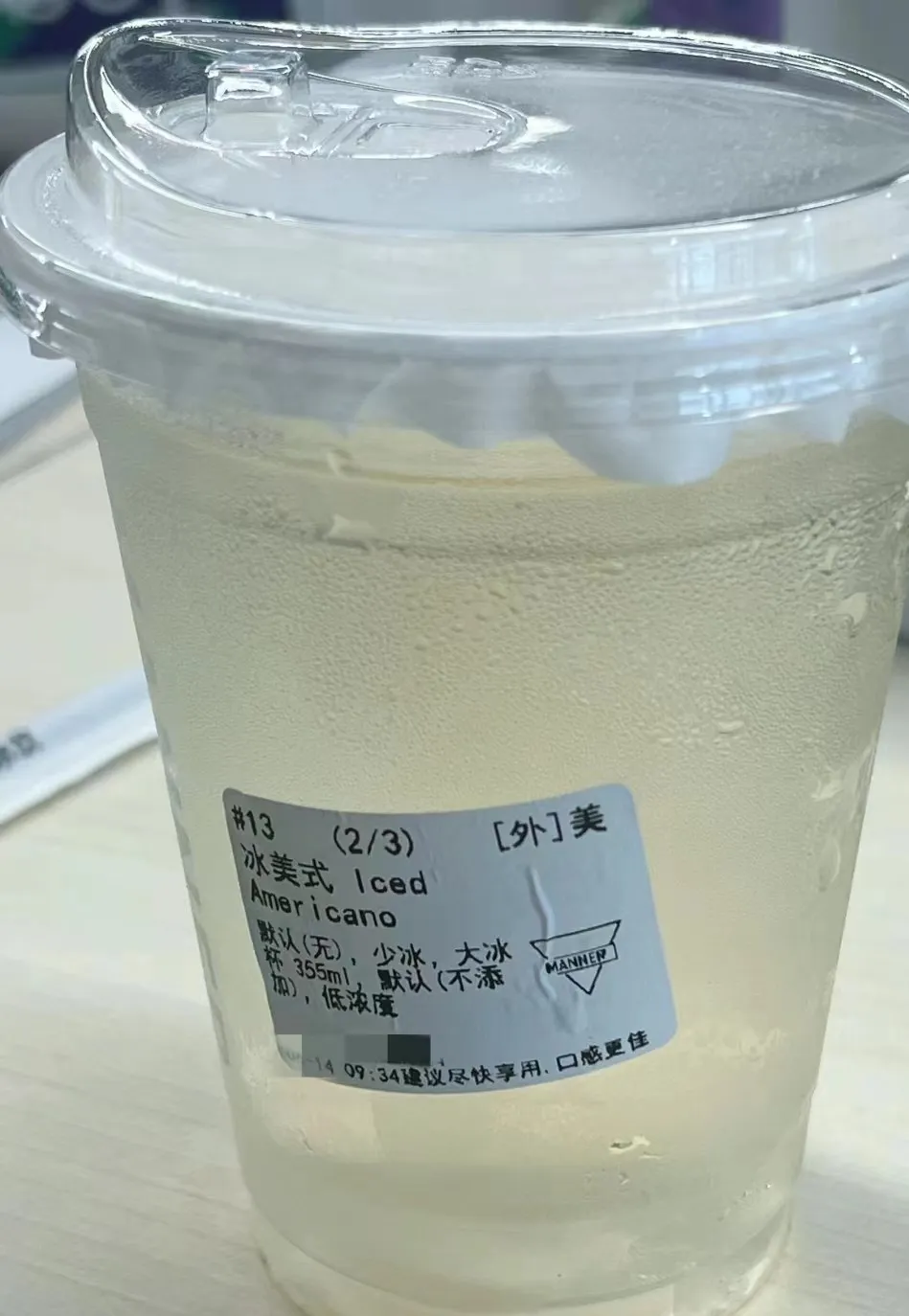
Take a standard iced Americano as an example. The normal procedure is to add the right amount of ice to the cup, extract a shot of espresso, and then pour it over the ice. But when the shop suddenly gets flooded with orders, baristas might skip crucial steps in their rush to keep up, resulting in an iced Americano that’s “zero percent espresso.”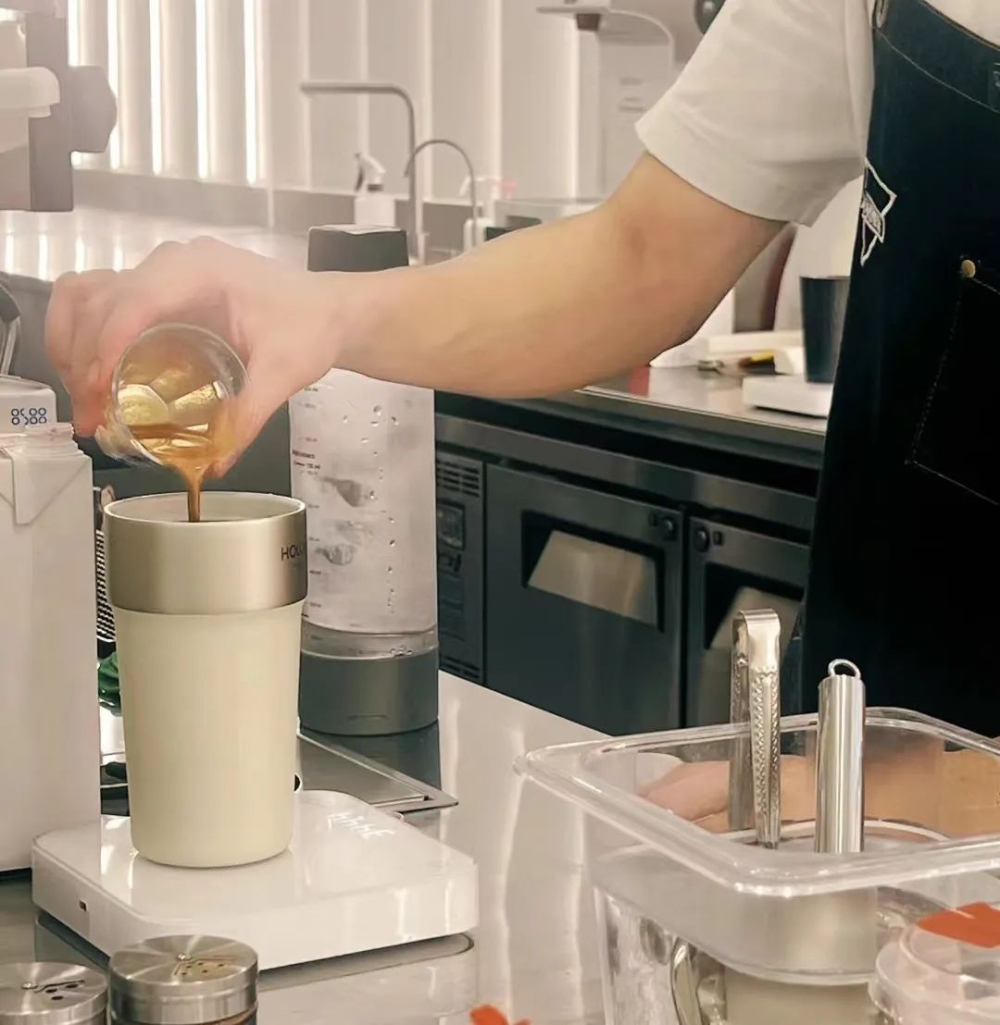 . Some customers have even received what looks like an iced Americano but is actually just a cup full of ice water with a little milk—leaving them to wonder: where did my coffee go?
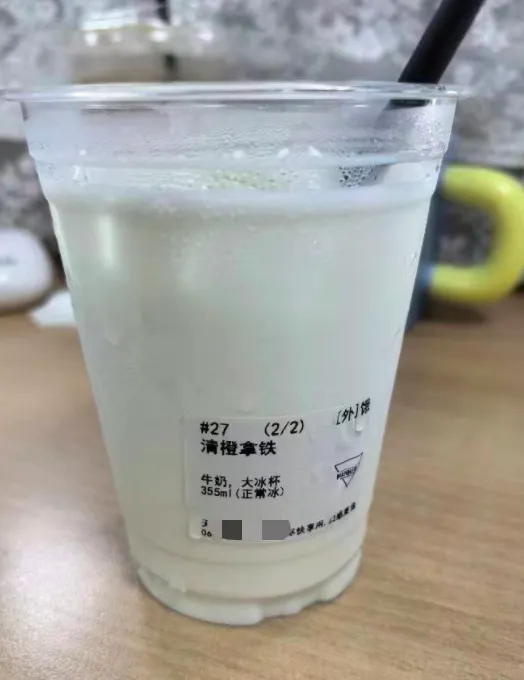
Another common issue is the “coffee disappearance act” in lattes—customers order a clear orange latte, only to receive something that’s almost pure milk, with the espresso seemingly forgotten in some corner. Additionally, drinks like iced Portuguese Americano can also suffer from missed steps, ending up as just “iced Portuguese” without the “Americano” essence. While these “new creations” may still be drinkable, the gap between what customers expect and what they get is significant.
 Even more extreme examples include customers bringing their own reusable cups, eagerly expecting a complete coffee, only to be handed a transparent shot of concentrated liquid—leaving them puzzled and frustrated. Some netizens joke, “Did the espresso run away to the next cup?” showing that mix-ups in busy shops are not uncommon.
Sometimes, baristas, after working for hours on end, experience mental fatigue and reduced focus, causing them to skip essential steps. For instance, when making a hand-tamped ice lemon drink, the correct sequence is “hand, tamp, ice, lemon,” but they might accidentally leave out the most important part—the “coffee.” Such mistakes are usually unintentional but still greatly impact the customer experience.
 Another classic “mistake” occurs with iced coffee floats. Customers look forward to the perfect combination of coffee and foam, only to find a thick layer of foam with no coffee in sight. One netizen shared that their Americano was surprisingly rich in milk aroma—only to realize it was milk with no coffee added. This “milky-flavored Americano” is enough to raise a smile.
Regarding such situations, many industry insiders admit that during peak hours, the work节奏 is extremely fast. Some chain brands, such as Luckin and Cotti, heavily rely on automated machines to prepare drinks. But even with machine assistance, during the morning rush, a single barista might have to handle multiple drinks at once, and any slight oversight can lead to missing espresso or wrong ingredients. Observations have noted that in extremely busy scenarios, a barista might take just seconds from taking an order to serving the drink. While this speed is impressive, it also significantly increases the chance of errors.
For consumers, if you encounter such a situation, it’s recommended to stay calm and politely inform the barista about the issue, requesting a remake or a refund. Most baristas, once they understand the situation, are happy to prepare a drink that meets the proper standards. After all, occasional mistakes are inevitable in high-pressure work environments, and mutual understanding leads to a better customer experience.
The above content is compiled by CoffeeHunters, a coffee news website.


