







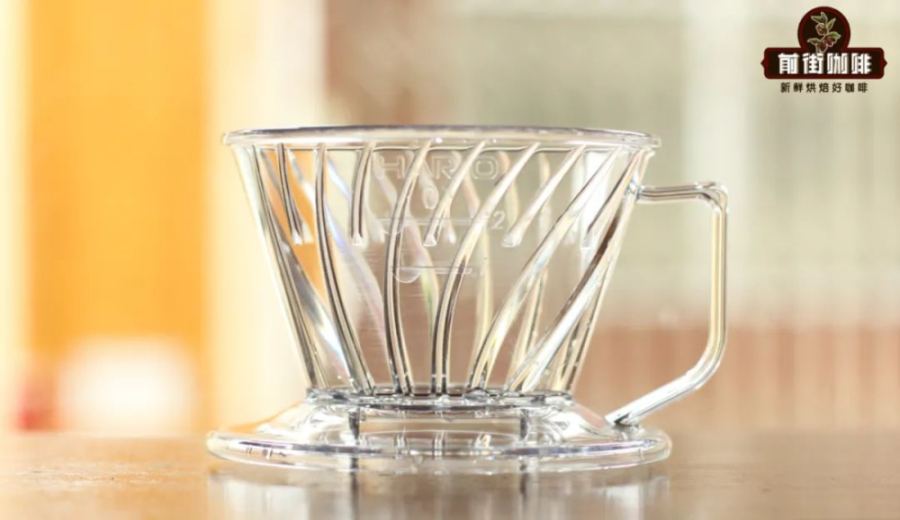
Introduction:As another classic design alongside the V60, the Hario Pegasus dripper combines a trapezoidal shape with the V60’s flow-guiding principle to create a pour over tool that offers both efficient drainage and uniform extraction. This article delves into the origins of its spiral flow-guiding ribs, flat-bottomed dual-hole structure, and boat-like appearance, and through practical coffee extraction data comparisons, helps you understand its true performance in terms of flavor complexity and ease of use—providing a reference for pour over enthusiasts looking for a new dripper.
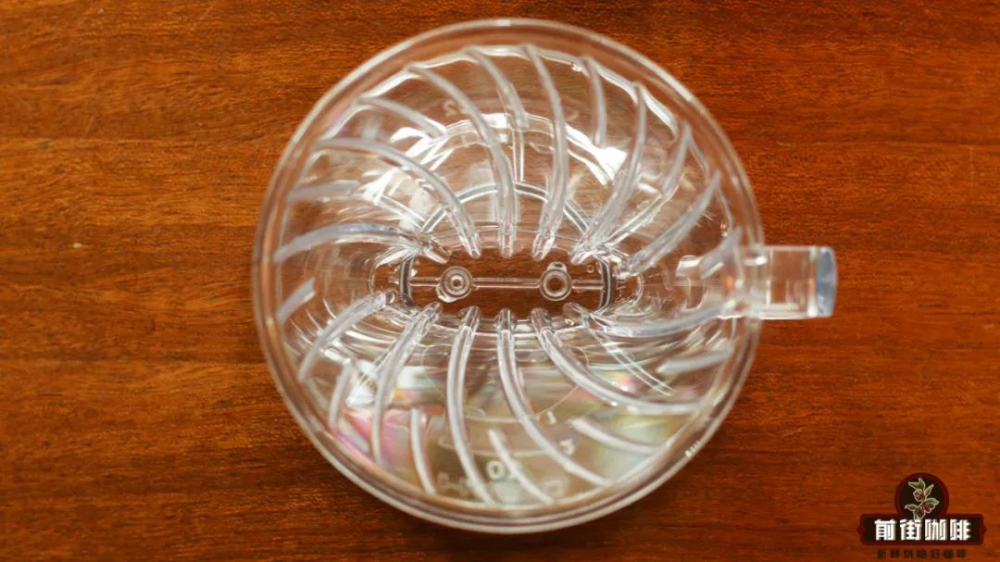
In addition to the widely popular V60 dripper, Hario has also released a uniquely styled Pegasus dripper. Although its overall silhouette appears trapezoidal, its flow-guiding rib design, bottom structure, and included dripper holder have all been re-engineered, making it distinctly different from conventional trapezoidal drippers. Its most notable feature is the use of 12 spiral-shaped flow-guiding ribs on the cup wall, similar to those of the V60, which not only provide good degassing but also make the water flow speed quite similar to that of the V60. Additionally, the bottom features a flat design with dual holes, which helps ensure even distribution of coffee grounds and stable extraction. From a top view, the oval-shaped base resembles a small boat, hence many users affectionately call it the “boat-style dripper.”
This dripper is also developed by Hario and belongs to the Pegasus series, made from lightweight resin. Visually, its wider-top and narrower-bottom inverted trapezoidal structure might easily be mistaken for a traditional trapezoidal dripper, but a closer look at the arrangement of the flow-guiding ribs and the bottom design reveals clear differences from standard trapezoidal drippers. Especially the 12 spiral ribs not only enhance degassing efficiency but also make the flow of brew more smooth. Practical tests show that the water flow speed is nearly identical to that of the V60.
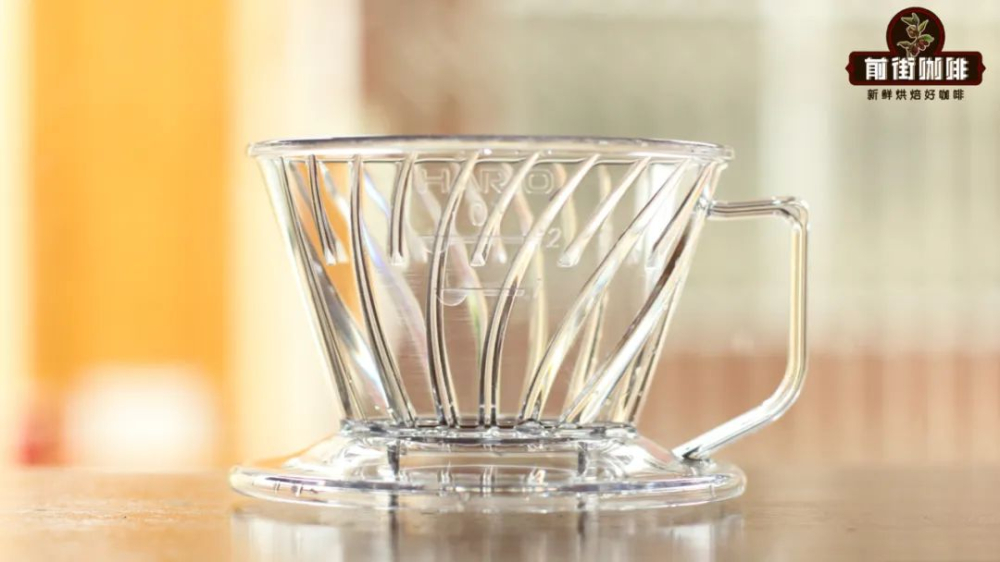
In terms of the flow-guiding ribs, the Pegasus dripper abandons the vertical design commonly seen in traditional trapezoidal drippers, adopting instead a spiral curve similar to the V60. This structure creates more space for degassing, helping to release gases during coffee extraction, avoiding channeling, and thereby improving overall extraction stability and consistency. In actual use, its water flow performance is almost the same as the V60’s, making it easy for users familiar with the V60 to get started quickly.
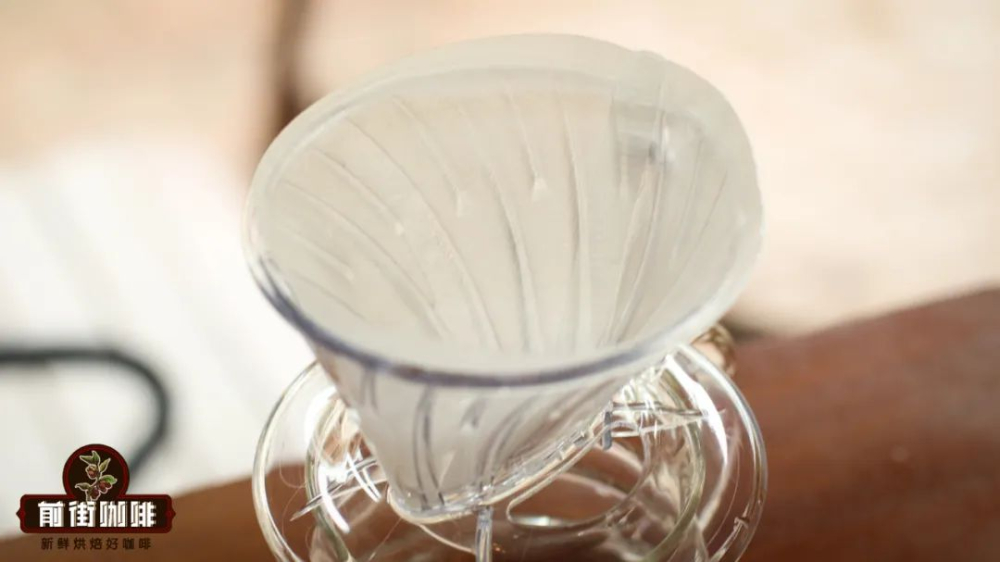
Although the flow-guiding system has been upgraded, the Pegasus dripper remains compatible with standard trapezoidal filter papers. However, due to differences in the dripper’s shape, the fit between the filter paper and the cup wall may be slightly inferior compared to products specifically designed for trapezoidal drippers, though this has limited impact on extraction. For users who only have trapezoidal filter papers on hand, they can still use them with confidence—just make sure the filter paper is laid flat.
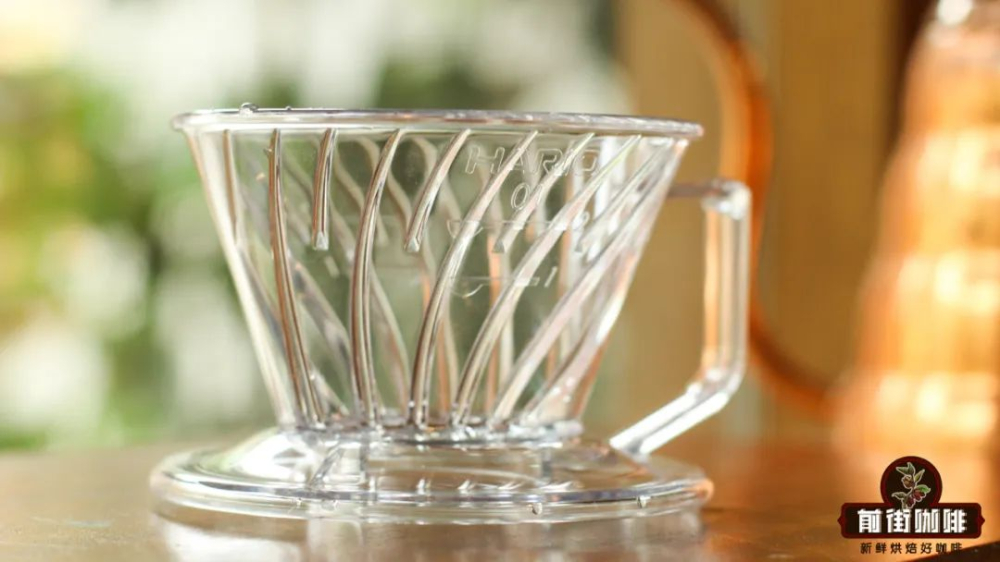
The bottom design of the dripper is another highlight of the Pegasus. It uses a flat base with dual outlets, which effectively disperses the path of coffee liquid outflow, preventing over-concentration of extraction from a single exit. The flat base helps distribute the coffee grounds layer more evenly, reducing localized stacking, thus resulting in more balanced flavor expression. Moreover, when viewed from above, the bottom naturally forms an elliptical arc, visually resembling a small boat—this is also one of the reasons many users refer to it as the “boat-style dripper.”
The design of the dripper holder is equally ingenious. The Pegasus dripper’s holder and the underlying stand feature a relatively large opening. This opening not only serves a lightweight function but also has the practical benefit of allowing users to directly observe the liquid flow inside the dripper during brewing, helping to judge the water flow speed and extraction progress, thereby enabling real-time adjustment of pouring strategy and improving the precision of pour over.
In terms of details, the body of the Pegasus dripper also features practical scale markings. Taking the common 01 model as an example, the front of the dripper body is marked with two scale lines, corresponding to coffee powder amounts of approximately 15g (for one serving) and 20g (for two servings). Even without an electronic scale, users can quickly gauge the approximate amount of coffee powder using these scales—a very user-friendly feature for beginners or for brewing on the go.
To better understand the actual performance of the Pegasus dripper, we conducted a practical test using Geisha coffee beans from FENGBIAN Estate. The experimental parameters were as follows: 15g of coffee powder, a 1:15 powder-to-water ratio, a grind size set to 85% passing through a #20 sieve (equivalent to medium-fine grind, about EK43 setting 9.5), water temperature controlled at 92°C, using the classic three-pour method. The first pour involved adding double the powder weight in water (30ml) for a 30-second bloom; next, a slow pour in a large circle (elliptical path) added 110ml of hot water; finally, when the water level was about to reach the bottom, a slightly faster pour in a smaller circle added the remaining 85ml to complete the full extraction.
The results showed that using the V60 dripper, the total extraction time was approximately 1 minute and 57 seconds, with flavor notes of bright grape, passion fruit, and apricot, featuring lively acidity and rich fermentation aromas. When using the Pegasus dripper, the total extraction time was shortened to 1 minute and 53 seconds. The flavor profile was broadly similar, but the acidity was more subdued, and the overall mouthfeel was rounder. For users who prefer gentler acidity, this is a noteworthy difference.
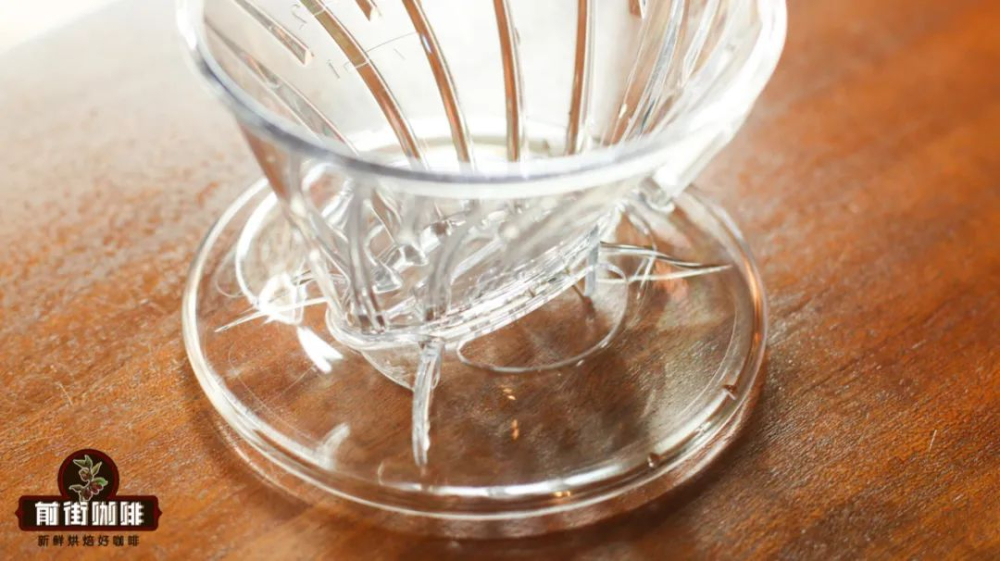
However, during actual use, one minor issue worth noting was observed: to fully utilize the observation hole on the holder to monitor liquid flow, it’s best to avoid placing the dripper directly facing yourself. While a straight-up position allows clear visibility of the liquid column through the hole, lowering the kettle for pouring can cause the kettle spout to collide with the dripper’s handle, interfering with the pouring motion and rhythm. Therefore, to balance observation and smooth operation, it is recommended to slightly angle the dripper sideways. Though this requires re-adapting the direction of your circular pours, it effectively prevents the kettle spout from getting caught on the handle.
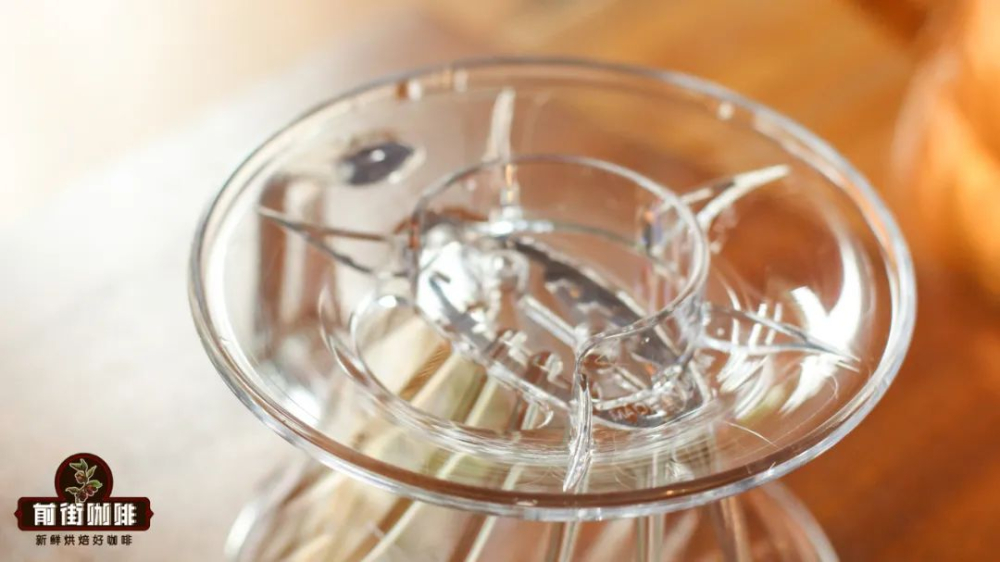
Overall, the Hario Pegasus dripper, with its optimized flow-guiding structure, practical dual-bottom hole design, and thoughtful scale references, not only matches the V60 in extraction efficiency but also presents unique, mellow acidity in flavor expression. It’s highly suitable for users who enjoy delicate taste profiles. With its affordable price and easy availability, it’s definitely worth a try if you’re looking to expand your pour over dripper options or explore different extraction styles.
(This article is for reference only and does not constitute commercial promotion)
The above content is compiled by CoffeeHunters, a coffee news website.


