








Introduction:Want to make a milk coffee at home with a texture close to that of a latte? Actually, by simply adjusting the brewing parameters of your pour over coffee, you can create a more concentrated pour over base. Paired with an appropriate amount of milk, the flavor can rival that of a professional latte. This article explains in detail how to achieve a rich and mellow pour over milk coffee by fine-tuning the coffee-to-water ratio, grind size, water temperature, and stirring techniques. It also recommends medium-to-dark roasted beans that pair well with milk, allowing you to easily enjoy a professional-level coffee experience.
When many people first think of combining pour over coffee with milk, they usually think of café au lait. However, café au lait generally has a relatively low coffee concentration, and once milk is added, the already mild flavor becomes even more diluted. The difference compared to a traditional Italian latte is quite obvious. Recently, a well-known Korean coffee blogger showcased in a café exploration video how a champion barista used the pour over method to create a milk coffee that excels in both flavor and texture, sparking considerable discussion. This article will delve into how, by adjusting brewing parameters, you can use a high-concentration pour over coffee as the base, paired with an appropriate amount of milk, to create a beverage close to a latte. Practical recipes and operational suggestions are also provided.
Why put quotation marks around the word "latte"? The reason is simple: first, what most people refer to as a latte is a milk coffee based on espresso, with milk added in proportion; second, although a milk coffee made using the pour over method can approach the flavor and texture of a latte, it cannot fully replicate the richness and layering of espresso-based coffee, and it is also distinctly different from traditional café au lait. Therefore, the "latte" discussed in this article is always made using the pour over method, and the quotation marks are used to indicate this distinction.
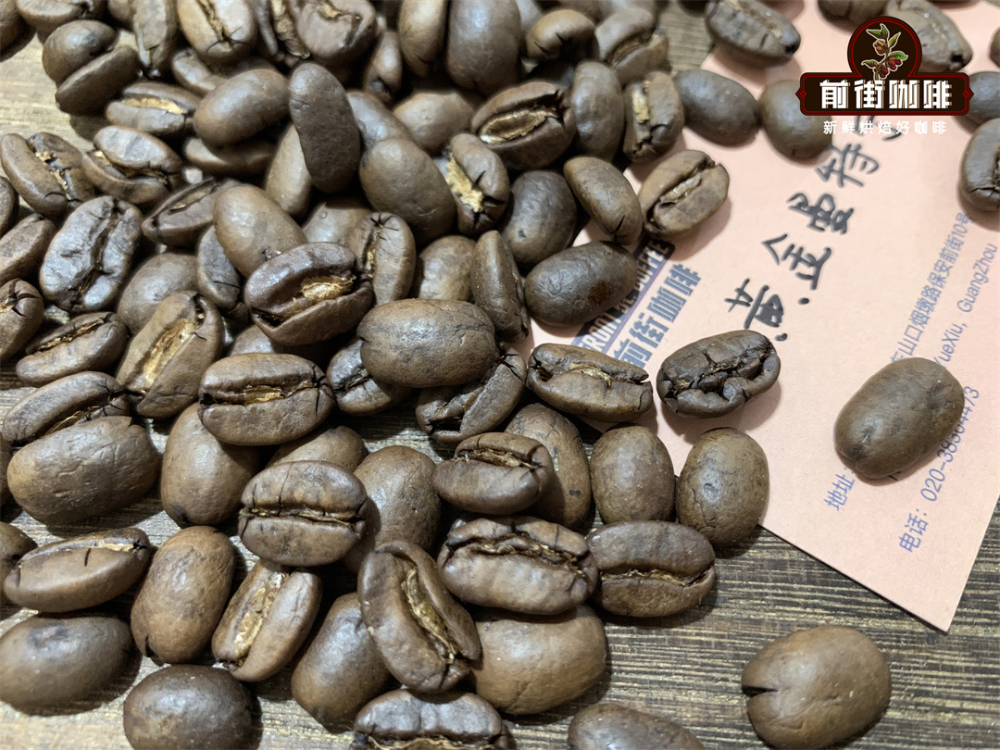
If you want to try making this pour over milk coffee at home, it is recommended to prioritize medium-to-dark roasted coffee beans. These beans, due to their longer roasting time, undergo sufficient caramelization and Maillard reactions, releasing rich roasted aromas and sweetness. When paired with milk, they can deliver a more mellow and smooth mouthfeel. If you're looking for a suitable bean option, consider medium-to-dark roasted beans with low acidity and a round texture—these types of beans are generally more compatible with milk, offering a rich and balanced flavor profile.
So, how exactly can you make a "latte" using the pour over method that approaches the taste of a latte? The key lies in adjusting the brewing strategy to produce a higher-concentration pour over base, then mixing it with milk in proportion. If you want to achieve high concentration in pour over coffee, the primary task is to adjust the coffee-to-water ratio. Generally speaking, the less water you use, the higher the concentration of soluble substances in the coffee liquid will be under the same extraction rate, resulting in a richer taste.
However, adjusting just the coffee-to-water ratio is not enough to guarantee optimal extraction. When the coffee-to-water ratio increases, it means less water is used for extraction. If other parameters remain unchanged, the overall extraction time will be significantly shortened, which can very likely lead to under-extraction and result in an incomplete coffee flavor. For example, the typical coffee-to-water ratio for espresso is 1:2, with high water temperature, fine grind size, and pressure assistance to extract enough coffee compounds in a short time. Therefore, if you want to achieve a similar concentration using the pour over method, you must simultaneously increase the grind size, water temperature, extraction time, and stirring efficiency to effectively compensate for these variables.

For this practical session, it is recommended to use a 1:4 coffee-to-water ratio (i.e., 20 grams of coffee grounds to 80 milliliters of hot water, which translates to a coffee-to-water ratio of 1:2). This ratio ensures that the coffee liquid has sufficient concentration to serve as a milk coffee base. To achieve ideal extraction results, it is recommended to use a fine grind size, grinding the coffee powder to a fineness close to flour (if using a hand grinder, secondary grinding can be considered depending on the situation), and choosing a slower-flowing filter, such as the Kono or Infinity filter, to extend the extraction time. In addition, the water temperature is recommended to be set between 96°C and 98°C to fully activate the flavor compounds of the coffee. Finally, don’t forget to use a stirring tool to perform uniform stirring immediately after pouring the water to enhance overall extraction efficiency.

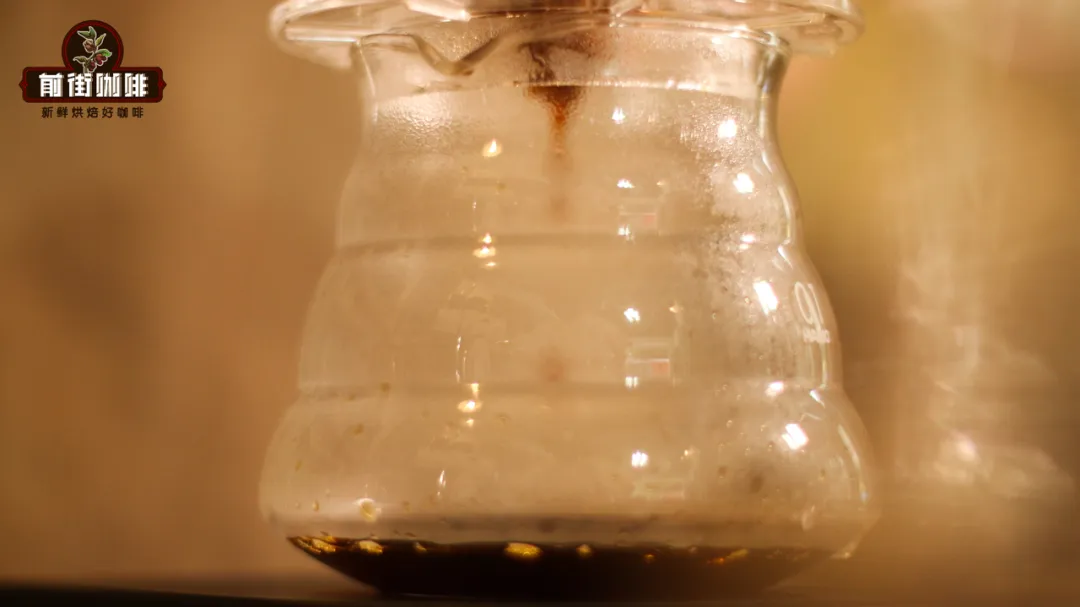
During actual operation, first wet the filter paper and place it in the filter. Then, add the ground coffee into the filter. The key step is to pour 80 milliliters of hot water all at once, and immediately stir vigorously with a stirring stick for about 1 minute to ensure the coffee grounds are evenly distributed and fully saturated. Due to the small amount of water, fine grind size, along with the effects of stirring and a slow-flowing filter, the overall extraction time is approximately 2 minutes, yielding about 45 milliliters of concentrated coffee liquid.

Since the concentration of this pour over coffee still cannot compare to that of espresso, special attention should be paid to the ratio when adding milk. It is recommended to mix in a 1:3 ratio, meaning 45 milliliters of coffee liquid with 135 milliliters of milk. Heat the milk to about 65°C, and either lightly froth it or use it as is, to complete this pour over milk coffee with a flavor close to that of a latte.
The final product has a rich and layered mouthfeel. If you choose medium-to-dark roasted beans with anaerobic processing, you can also enjoy subtle fermented aromas and berry notes, which blend with the milk to produce a complex and smooth flavor profile. Compared to traditional café au lait, this pour over milk coffee not only has a richer taste but also offers more possibilities in bean selection, allowing you to easily enjoy a professional-level coffee experience at home.
The above content is compiled by CoffeeHunters, a coffee news website.


