







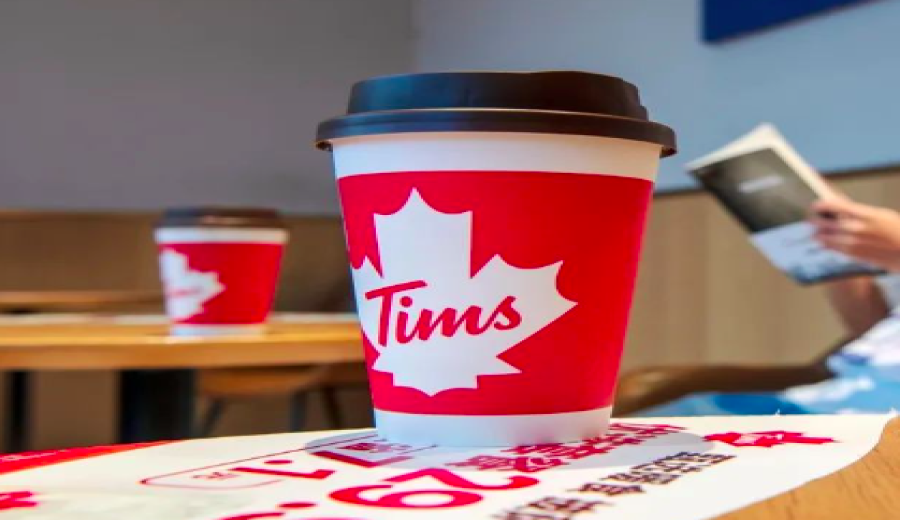
Introduction:Tims China’s 2024 Q1 financial report shows that although revenue and systemwide sales grew, net new store openings were only 4, a record low since its IPO, while the debt ratio climbed to 127.8%. This article delves into its financial challenges, the impact of price wars, and franchise strategy hurdles, helping readers understand the brand’s current transformation pressures and future uncertainties.
Tims China recently released its 2024 Q1 financial report, which shows that the quarter’s total revenue was RMB 346.8 million, up 3.1% year-on-year; systemwide sales reached RMB 363.5 million, a 7.1% increase compared to the same period last year. On the surface, this report card seems relatively stable, but it failed to win the confidence of market investors, with the stock price falling immediately after the earnings release.
More notably, Tims only added a net 4 coffee stores this quarter, a sharp drop from 149 in the previous quarter and even lower than the expansion pace of the same period last year, marking the lowest expansion record since its IPO. If excluding 1 Popeyes fried chicken store, the actual number of new coffee stores added was just 4, showing a clear slowdown trend.
Against the backdrop of intensifying competition in China’s domestic coffee market, Tims is facing pressure from all sides. Since last year, the 9.9-yuan price war initiated by Luckin and Cupid has continued to escalate, with Starbucks also indirectly joining the battle through promotional activities, while brands like Luckin-style Cafe have introduced products as low as 6.6 yuan, further intensifying price competition. Even premium coffee brands like Peet’s Coffee and Seesaw have had to adjust their strategies and offer more affordable options to attract consumers.
Facing such a market environment, Tims has also had to adjust its pricing strategy—on one hand lowering the prices of coffee products to join the 9.9-yuan battle, and on the other raising the prices of baked goods like bagels in an attempt to balance overall revenue. However, judging from actual operational results, this strategy has had limited effectiveness and has struggled to offset the profit erosion caused by the price war.
While revenue growth fell short of expectations, Tims’ losses continued to widen. In the first quarter of 2024, the company reported a net loss of RMB 142.8 million. By the end of the quarter, total assets stood at RMB 2.039 billion, while total liabilities reached RMB 2.607 billion, with the debt ratio further climbing to127.8%, higher than last year’s 119%, indicating significant pressure on its financial structure.
To alleviate short-term cash flow issues, Tims reached a US$20 million financing agreement with existing shareholder Cartesian Capital in March this year. Although this temporarily eased the funding crunch, it did not fundamentally resolve the structural challenges facing its operations and expansion.
In terms of franchising, since opening up franchising in September last year, Tims is understood to have received approximately3,000franchise applications, but the actual number of stores opened is only 19, a gap as high as nearly 99%, reflecting the brand’s strict vetting mechanism and potential franchisees’ doubts about its profitability in the Chinese market. This disparity also highlights that Tims still needs to make more efforts in localization and adjusting its franchise model.

Looking back, Tims once set an ambitious goal: to reach 10,000 stores in the Chinese market within the next 5 to 10 years. However, with the current expansion speed of only a few stores per quarter, coupled with the continuously rising debt ratio and intensifying market competition, this vision is becoming increasingly out of reach. For the brand, how to adjust its strategy, optimize its cost structure, and rebuild market confidence will be key to reversing its current downturn in the future.
The above content is compiled by CoffeeHunters, a coffee news website.


