








Introduction:Have you ever experienced your espresso suddenly squirting out from the sides, with inconsistent flow or even pale, thin streams when brewing at home? This is actually caused by uneven extraction due to "channeling." This article delves into the causes of channeling, including common issues such as uneven distribution, overly fine grind size, and static clumping, and provides practical extraction parameter suggestions to help you master standard home brewing techniques and achieve balanced, smooth espresso.
When making espresso at home, many coffee enthusiasts encounter problems like coffee squirting from the edges of the portafilter or inconsistent flow rates—this is usually caused by "channeling." This article will break down the causes of this phenomenon in detail and, from a practical perspective, help you identify the reasons for uneven extraction, so you can consistently brew flavorful, standardized espresso at home.
The first time you use an espresso machine, you might think everything is going smoothly as you press the brew button and see the first drop of espresso slowly fall. But the next moment, the once-steady stream suddenly spurts out to one side as a thin, pale golden jet, fluctuating in speed—this is what baristas often call "blowout," and the main culprit is "channeling."
( )
Simply put, channeling is like high-pressure water finding the path of least resistance. Under high pressure, hot water will prioritize flowing through the less dense or more loosely packed parts of the coffee puck, creating a "shortcut." As a result, the water doesn’t extract all the coffee grounds evenly but instead concentrates through a specific area, leading to uneven extraction.
(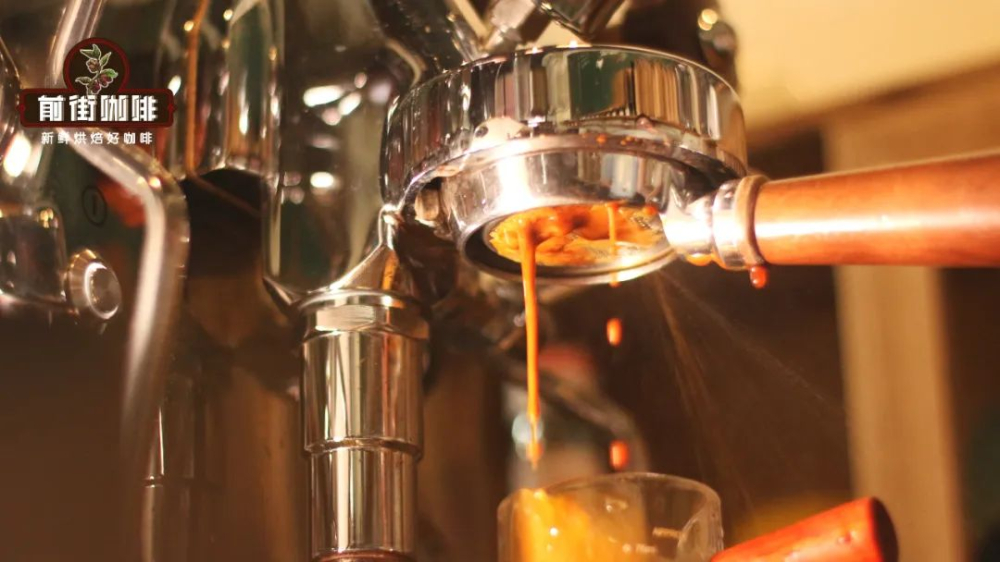 )
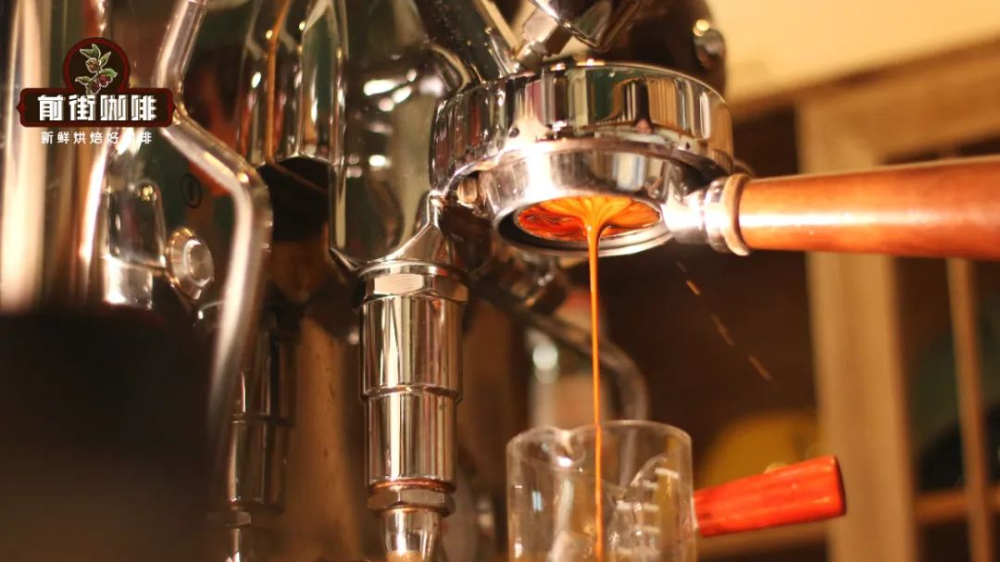
If this phenomenon persists, it not only disrupts the balance of extraction time but also leads to noticeable flaws in the final shot. For example, the coffee may lack aroma, taste thin, or even have unpleasant notes like sourness, watery texture, burnt bitterness, or astringency. Additionally, if you’re using a bottomless portafilter, you might directly observe sudden changes in coffee color, sudden surges in flow rate, or even splattering—these are all typical signs of channeling.
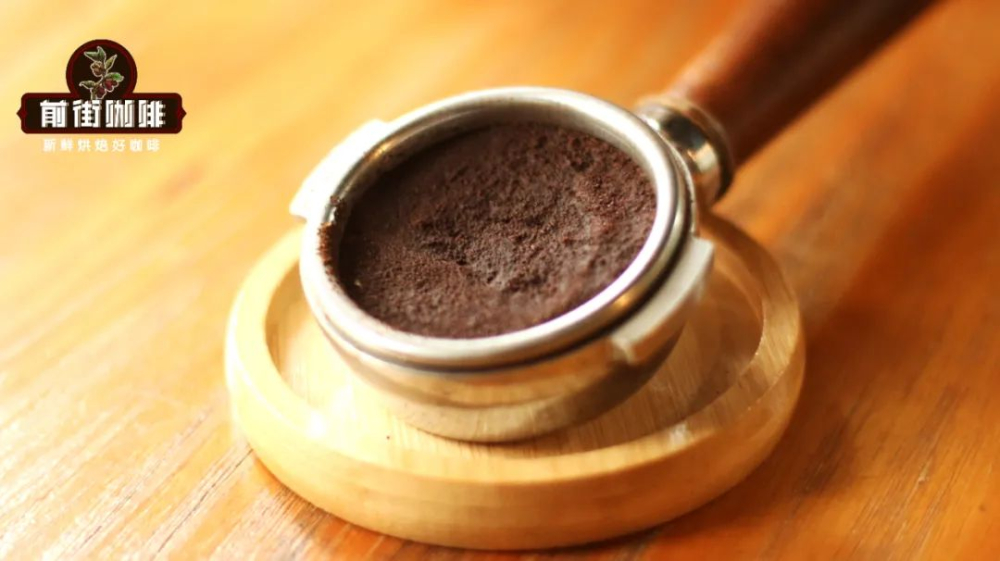
There are many causes of channeling, with the most common being uneven distribution, improper grind settings, and static clumping. First, the importance of distribution cannot be overstated. Even just leveling the coffee grounds evenly in the portafilter can significantly affect water stability and extraction uniformity. If the distribution is uneven, there will be areas of varying density in the puck, causing water to “break through” where resistance is lowest.
( )
Furthermore, even if the distribution appears level, accidental bumps during tamping or moving the portafilter can create gaps between the puck and the portafilter wall, forming “invisible channels” that allow water to bypass most of the coffee grounds, resulting in incomplete extraction.
In terms of grinding, if the coffee is too fine, the density of the compacted puck becomes extremely high, increasing the resistance the water faces as it passes through. To penetrate this dense puck, high-pressure water will seek the weakest areas to break through, thus forming channels. It is recommended to use the standard parameters of a "brew ratio of 1:2 and extraction time of 25–30 seconds" to judge whether the grind is appropriate. For example, if your portafilter holds about 20 grams, use 20 grams of coffee and aim to extract 40 grams of espresso within 25 to 30 seconds. If the extraction time exceeds 35 seconds, or if the coffee takes too long (more than 7 seconds) to start dripping, with the latter part turning noticeably pale, it indicates the grind is too fine, and you should adjust to a coarser setting.
Another common issue is static clumping. During the grinding process, coffee beans generate static electricity due to intense friction, especially in humid environments or when grinding dark roasts with rich oils, which makes fine particles more likely to cling together and form small clumps. These clumps prevent water from evenly penetrating the entire puck, thereby triggering channeling.
Some may think that simply switching to a bottomless portafilter can prevent channeling. However, whether you use a bottomless or spouted portafilter, channeling can still occur if the puck itself has uneven density or loose structure. Therefore, changing the portafilter is not a fundamental solution—the key lies in improving distribution and grind quality.
( )
In summary, to make stable and flavorful espresso at home, you need to focus on even distribution, proper grind size, tamping technique, and environmental humidity to effectively reduce channeling and improve extraction quality. Once you master these basic skills, you too can enjoy a balanced, aromatic, standard espresso at home.
The above content is compiled by CoffeeHunters, a coffee news website.


