







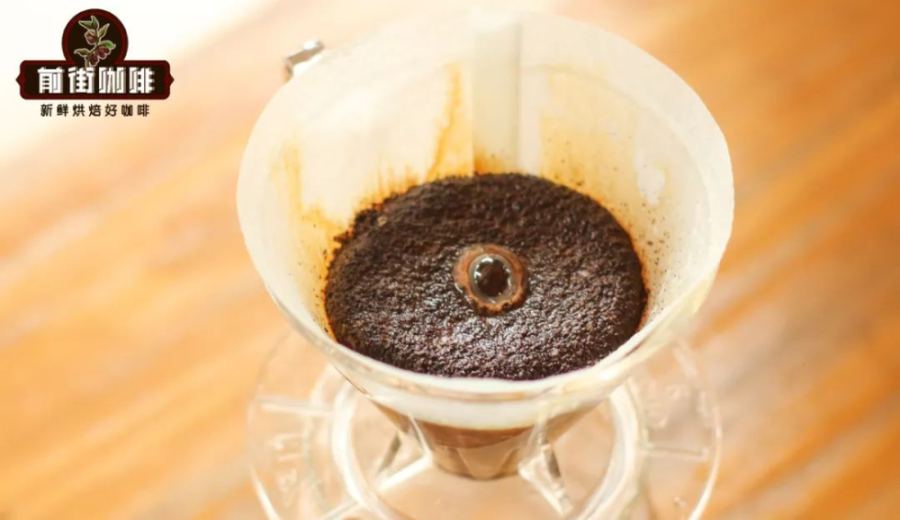
Introduction:During the pour over process, it is common to see bubbles forming on the coffee bed or even visible holes during the blooming stage. This not only affects the appearance of the coffee but may also lead to uneven extraction. This article delves into the connection between blooming bubbles and channeling, explains why these phenomena impact the final flavor, and offers practical solutions—including pre-grinding static prevention and distribution techniques—to help coffee enthusiasts improve extraction stability.
Blooming is an essential and indispensable step in pour over brewing. Its primary purpose is to allow the coffee grounds to release carbon dioxide and expand moderately. This process not only influences the uniformity of subsequent coffee extraction but is also closely tied to the final aroma expression. When hot water contacts the coffee grounds, the internal carbon dioxide is gradually released, causing the coffee bed to swell into a full, often described as “hamburger-like,” structure.
Typically, the blooming process lasts about 30 seconds. Due to the small amount of water used and the limited contact time with the coffee grounds, most of the carbon dioxide is slowly released. However, this standard procedure applies only when the coffee particles are evenly distributed. If there are fine particle clumps at the bottom of the coffee bed, the situation changes.
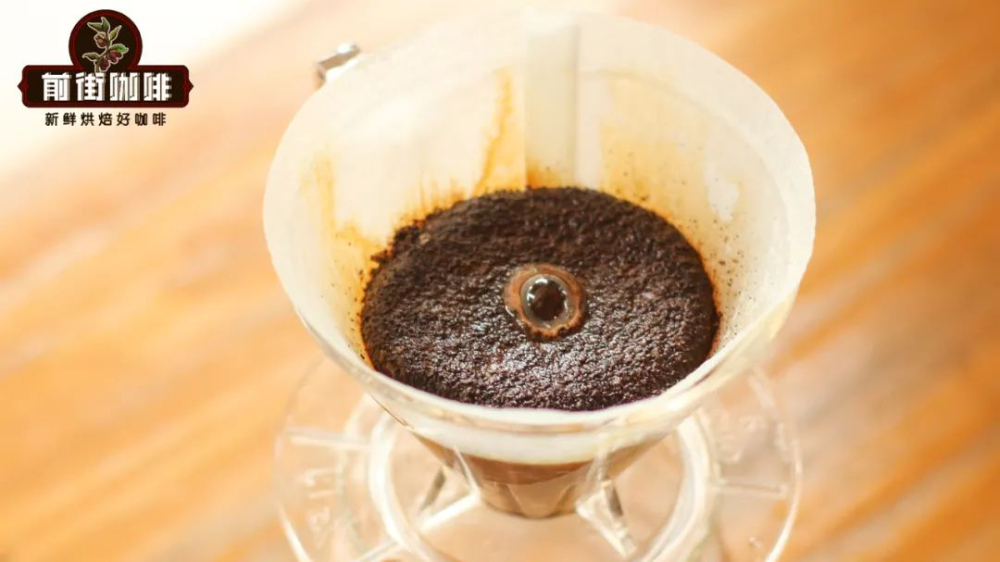
These fine particle clusters are highly sensitive to hot water. Even when exposed to water that has already cooled slightly (in reality, it’s already preliminary extraction liquid), they react rapidly and release a large amount of carbon dioxide. Trapped within oils, these gases form noticeable bubbles that rise continuously, eventually creating visible holes on the surface of the coffee bed. This process not only affects aesthetics but can also trigger channeling.
The occurrence of channeling stems from the natural flow characteristics of water. Water always tends to follow the path of least resistance. Once holes form during the blooming stage, subsequent water pouring is likely to preferentially pass through these lower-resistance channels. This uneven water distribution leads to some coffee grounds not being fully saturated, resulting in inconsistent extraction.
It’s worth noting that pour over brewing, due to its longer extraction time, is relatively less sensitive to channeling. In contrast, espresso has an extremely short extraction time and demands much higher uniformity, making the effects of channeling more pronounced. However, coffee enthusiasts striving for optimal flavor should still aim to minimize channeling as much as possible.
To improve the bubbling phenomenon during the blooming stage, one can first consider lightly moistening the coffee beans before grinding. This simple step can effectively reduce the issue of fine particle clumping. The specific method involves lightly spraying a small amount of water onto the beans before grinding, being careful to control the amount to avoid rusting grinder components. Proper moisture reduces static electricity on the bean surface, thereby minimizing fine particle aggregation.
Another effective method is ensuring the coffee grounds are evenly distributed before blooming. Using professional tools such as a distribution needle, gently break up the coffee bed just before pouring water to help achieve a more uniform distribution. Though seemingly simple, this step can effectively prevent channeling and lay a solid foundation for subsequent extraction.
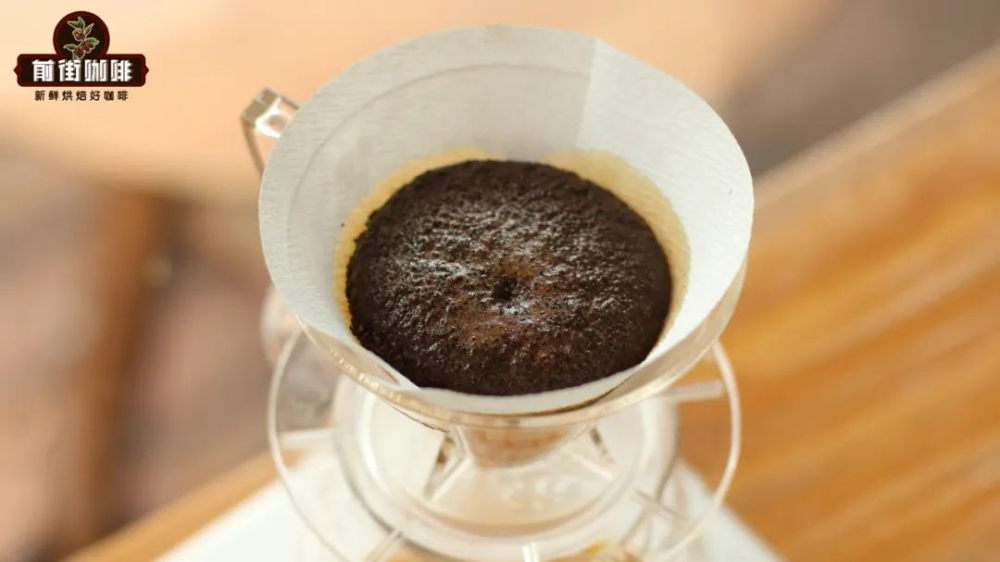
In practice, it’s recommended to first observe the bubble behavior during the blooming stage. If you notice persistent and excessive bubbling, it usually indicates potential channels within the coffee bed. In such cases, you can appropriately adjust the grind size or check whether your distribution technique is even. For those pursuing the ultimate extraction, using professional-grade pour over equipment may also be considered, as these tools often excel in bed flatness and water flow control.
Besides the methods above, regularly cleaning your grinder is also an important step in preventing fine particle issues. Accumulated old coffee grounds can increase static problems in freshly ground coffee, indirectly leading to fine particle clumping. Keeping your equipment clean not only improves extraction quality but also extends the lifespan of your tools.
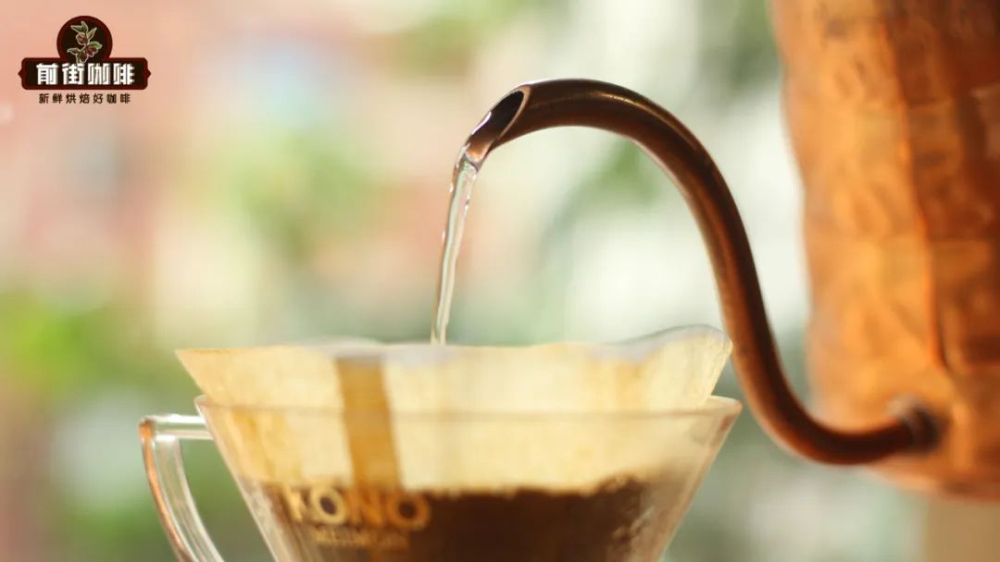
In summary, understanding the relationship between blooming bubbles and channeling is a key aspect of improving pour over coffee quality. Through proper preprocessing and meticulous operation, coffee enthusiasts can fully replicate professional-level extraction results at home, enjoying a more stable and well-balanced pour over coffee experience.
The above content is compiled by CoffeeHunters, a coffee news website.


