







Introduction:Recently, the price of Robusta coffee futures has once again approached the $4,000 per ton threshold, primarily due to the ongoing adverse weather conditions in Vietnam and Brazil. This article provides an in-depth analysis of the key factors behind supply chain pressures, including the potential for Vietnam’s lowest Robusta output in 13 years, the unusually small bean size in Brazil, and market concerns over the return of La Niña, helping readers grasp the latest developments and emerging trends in the global coffee market.
In April this year, Robusta coffee futures once surged to a historic high of $4,399 per ton, but later declined to $3,440 as exports from Brazil and Vietnam improved and ICE inventories rebounded. However, with the worsening weather in both countries showing no signs of improvement, the price of July-delivery Robusta futures has climbed again, currently standing at $3,917—just a step away from the $4,000 mark.
A report by coffee trader Volcafe indicates that Vietnam’s Robusta production for the 2024/25 season may only reach 24 million bags, the lowest in 13 years. This is mainly due to prolonged drought and insufficient rainfall, which have severely impacted the growth of coffee trees. Although there were sporadic rains in early May, according to data from the Vietnam Meteorological Administration, cumulative rainfall in the Central Highlands over the past 10 days was only 195.6 mm, 41% below the average level.
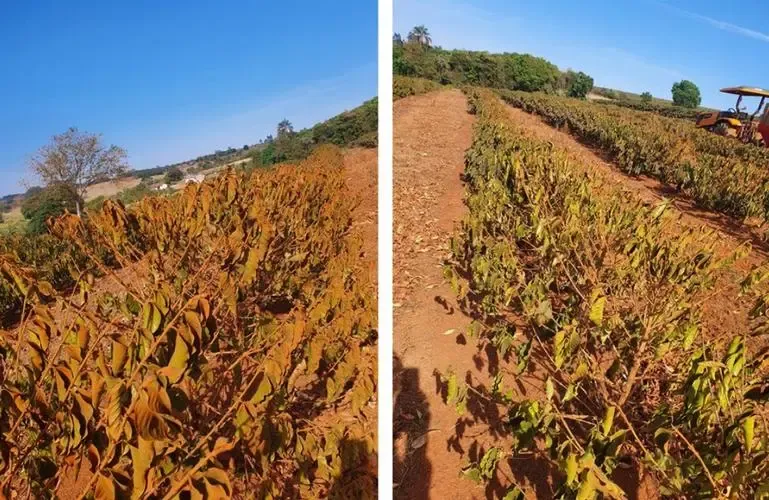
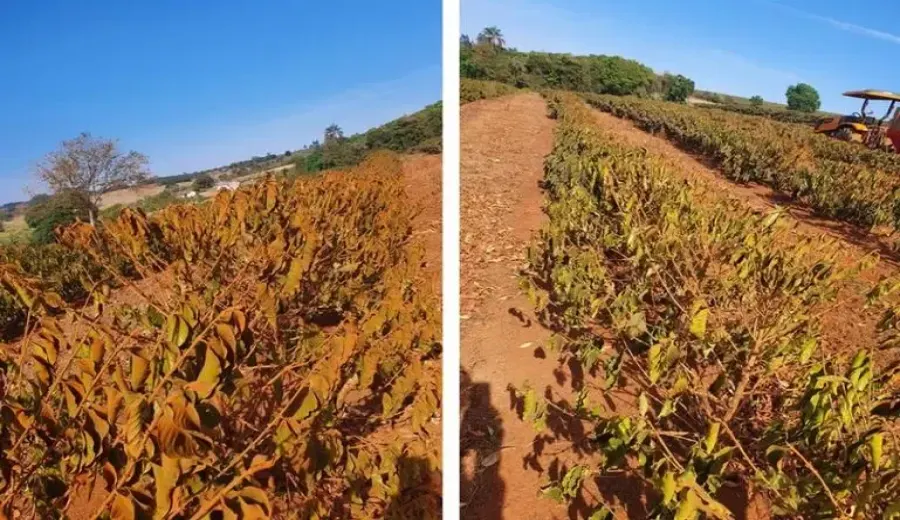
The lack of rainfall has had particularly severe effects on coffee trees currently in their flowering stage, with many plants already showing signs of wilting and other adverse symptoms, which could further reduce output in the next harvest season. Such crop damage is not just a short-term issue but may extend to future harvest cycles.
Meanwhile, Brazil’s main coffee-growing region, Minas Gerais, has gone without rain for four consecutive weeks, and local meteorological records show that not a single drop fell in the past week. Although Brazilian Robusta has entered the harvesting phase, farmers have reported that this year’s beans are noticeably smaller than last year’s, meaning more beans are needed to fill a standard 60-kilogram sack—thus affecting overall yield projections. Some analysts believe output could be 5% to 10% lower than market expectations.
Beyond the immediate issues of drought and low rainfall, the market is also growing concerned that La Niña could make a comeback during the summer months (June to August). La Niña typically leads to persistently colder-than-normal sea surface temperatures in the eastern and central equatorial Pacific, triggering extreme weather events around the world, including heavy rainfall and droughts, all of which can negatively impact coffee-growing regions and further constrain supply.
Taking all these factors into account, Volcafe predicts a global shortage of 4.6 million bags of Robusta beans for the 2024/25 season. While this is an improvement from the 9 million bag shortfall in the previous year, it still marks the fourth consecutive year of tight Robusta supply. Against a backdrop of stable or even rising demand, these supply constraints will continue to drive up market prices, significantly increasing the likelihood of further upward movement in Robusta futures.
It is worth noting that although Robusta coffee is often seen as a “secondary choice” in the specialty coffee market—commonly used in instant coffee or blends—its price volatility has profound implications for the global coffee supply chain and consumer markets. Understanding these underlying regional dynamics and weather-related factors can help consumers and industry professionals better anticipate future coffee price trends and supply risks.
The above content is compiled by CoffeeHunters, a coffee news website.


