







Introduction:Take an in-depth look at two emerging sub-regions within Ethiopia’s Sidama coffee zone — Rumudamo in Arbegona and Hamasho in Bensa — exploring their geographical conditions, mill backgrounds, and the unique flavor profiles revealed during cupping. From citrus and apple to berries and grapes, discover how these top beans have stood out in global COE competitions and earned the favor of specialty roasters.
Ethiopia is hailed as the birthplace of coffee, not only a major global producer of Arabica but also a region where diverse microclimates and high-altitude terrains nurture countless beans with distinctive flavors. As one of its star zones, Sidama has increasingly drawn international attention in recent years, particularly for its sub-regions of Arbegona and Bensa — with Rumudamo and Hamasho mills standing out the most.
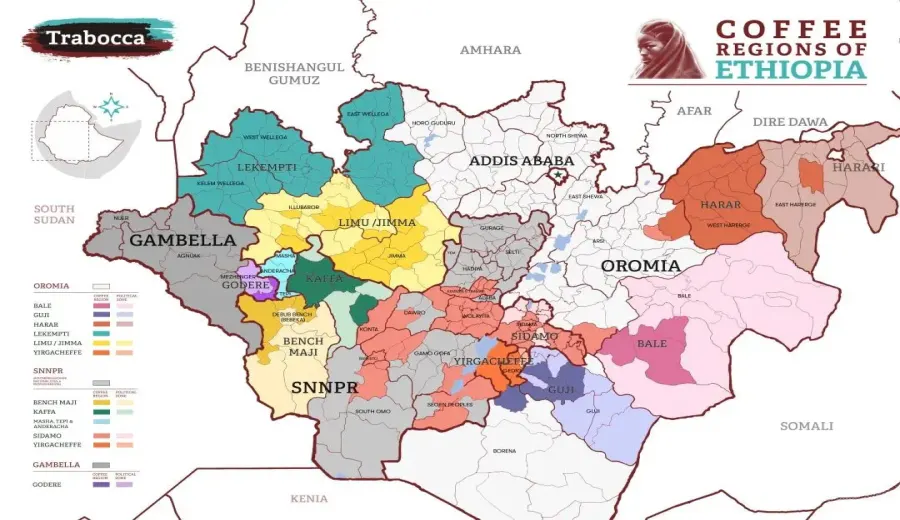
Located on the southern edge of the East African Rift Valley, Sidama encompasses vast fertile highlands with an average elevation between 1,400 and 2,200 meters. The area enjoys abundant annual rainfall of about 1,200 to 2,000 mm, along with cool temperatures and fertile soils — creating optimal growing conditions for coffee trees. The significant microclimate variations across villages and mills often result in distinctly different flavor characteristics among beans produced in each area.
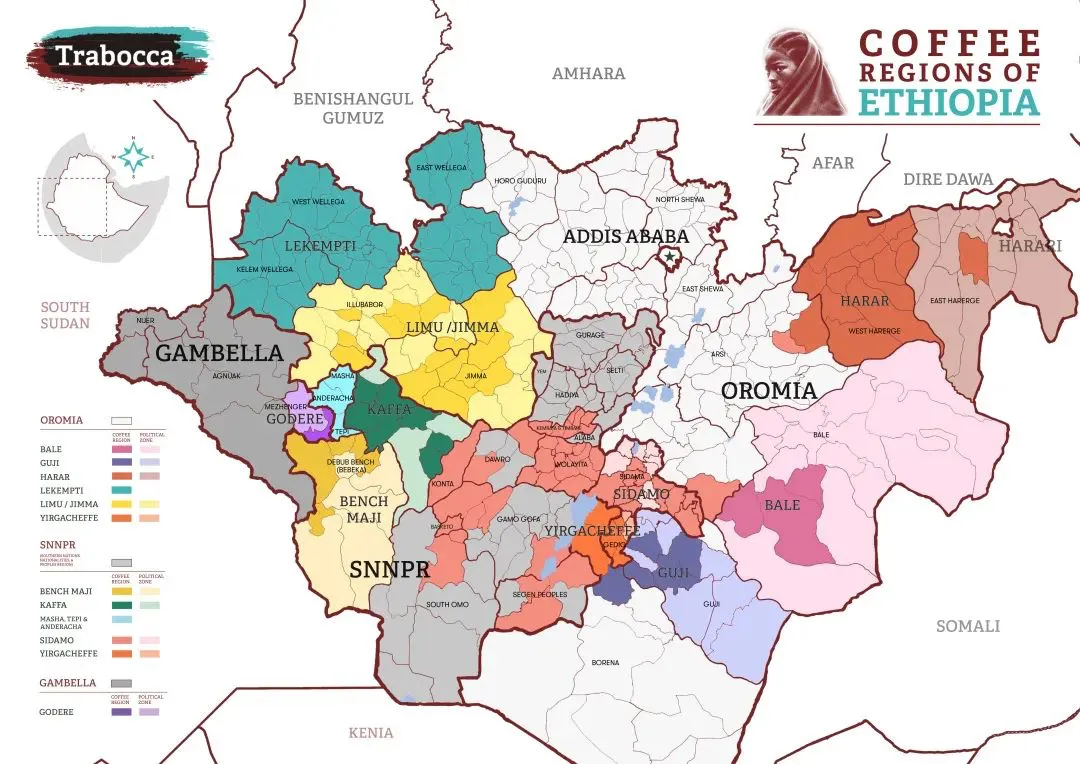
Arbegona is a small town in north-central Sidama, near the well-known sub-region of Bensa. The RumuDamo Coffee Industry Trade PLC, located here, was established in 2015 by seven shareholders. The company owns over 1,000 hectares of its own coffee farms and maintains stable partnerships with more than 300 smallholder farmers. Since 2018, it has introduced professional wet-milling processing equipment, focusing on improving the quality and consistency of washed coffee production.
Rumudamo made a remarkable debut at the first-ever Ethiopia Cup of Excellence (COE) competition in 2020, securing second, third, and eighth place awards — propelling this previously low-profile mill onto the international stage. Its primary coffee varieties include the numbered JARC (Jimma Agricultural Research Center) cultivars 74110, as well as locally distinctive Ethiopian heirloom varieties, which often exhibit pronounced fruit acidity and complex aromatic layers.
In actual cuppings, Rumudamo coffee beans display a refreshing and pleasantlime aroma. Upon tasting, the citrus and apple acidity is bright, accompanied by a naturalsugar sweetnessand a subtletea-like finish. The overall flavor profile is clean, vibrant, and layered, making it highly suitable for pour over enthusiasts who prefer fruity notes. It is recommended to use a medium-light roast and extract with water at 90–93°C to bring out its optimal flavor expression.
Bensa, also situated in north-central Sidama, is another highly regarded coffee sub-region. The beans produced in the renowned village of Alo — including those from Hamasho — have in recent years become popular choices among specialty coffee roasters both domestically and internationally.
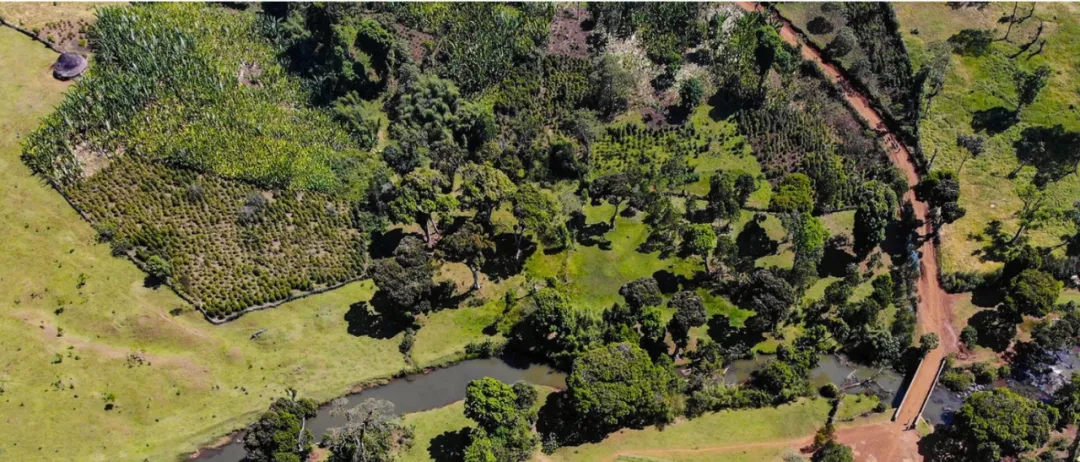
Hamasho is one of the 16 mills under Daye Bensa, a company founded in 1996 by Assefa and Mulugeta Dukamo. It has long been committed to elevating coffee quality in the Sidama region. Daye Bensa works closely with 71 washing stations, 2,500 coffee farmers, 4 coffee cooperatives, and 11 drying stations to form a robust supply chain and quality management system. Headquartered in the capital Addis Ababa, the company operates 16 washing mills and 4 processing facilities, setting industry benchmarks in both scale and technology.
The name Hamasho derives from the Sidama word for “snake,” symbolizing strength and spirituality. The mill’s coffee participated in the COE competition for two consecutive years, in 2021 and 2022, earning eighth and second place respectively — showcasing its consistently high processing standards. Hamasho primarily employs the washed processing method, with strict control over fermentation time and drying curves to ensure clarity, cleanliness, and complexity in the resulting flavors.
When cupping Hamasho beans, one can distinctly perceive an initial note offloral and citrus tones, followed by a progression of berry, grape juice, black plum, and prune flavors. The balance of acidity and sweetness, along with a long-lasting aftertaste, makes this flavor profile especially appealing to those who enjoy bold, fruity pour over styles with a hint of wine-like character. A medium-light to medium roast is recommended, with water temperature controlled at 92–94°C to fully highlight its sweetness and complexity.
In summary, Rumudamo and Hamasho not only represent the diversity of the Sidama region but also demonstrate Ethiopia’s pursuit of excellence in micro-regional coffee production and processing techniques. Whether it’s the bright citrus-lime notes or the rich berry-grape profiles, these two coffees offer highly valuable options for pour over enthusiasts and coffee lovers alike.
The above content is compiled by CoffeeHunters, a coffee news website.


