







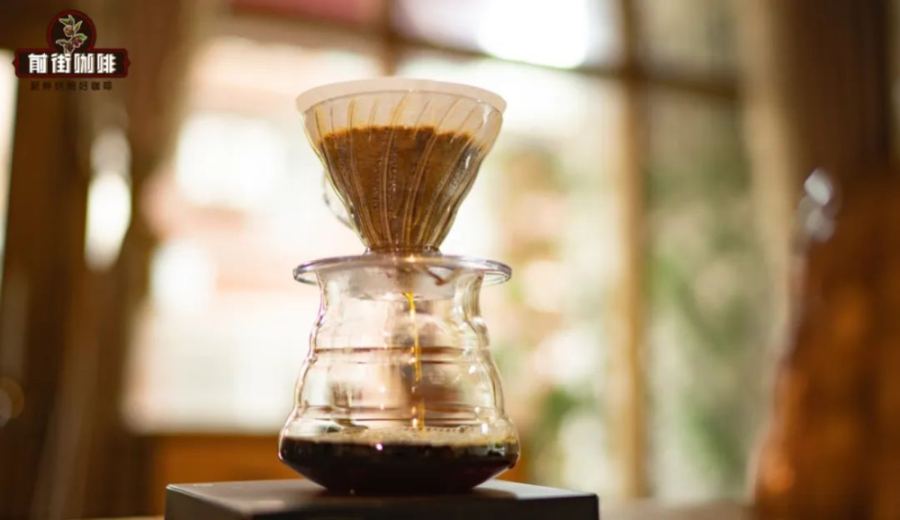
Introduction:Have you noticed that even when using the same V60 dripper, the flavor of coffee brewed by different people can vary slightly? Aside from grind size and water temperature, the material of the dripper is actually a key factor influencing extraction. This article takes an in-depth look at four common dripper materials—metal, ceramic, glass, and resin—exploring them from the perspectives of thermal conductivity and specific heat capacity. We’ll uncover how these properties affect brewing temperature, which in turn influences flavor release and water flow rate, helping you adjust your brewing strategy based on the dripper you’re using.
The market offers a wide variety of coffee dripper materials, with enthusiasts for metal, ceramic, glass, and resin alike—but what impact do these material differences actually have on extraction? Many people first think of price, but the real key lies in their ability to manage temperature. Thermal conductivity determines how quickly heat is transferred, while specific heat capacity refers to an object’s ability to store heat. These two physical metrics directly influence temperature changes of hot water in the dripper, thereby altering extraction efficiency and flavor expression.
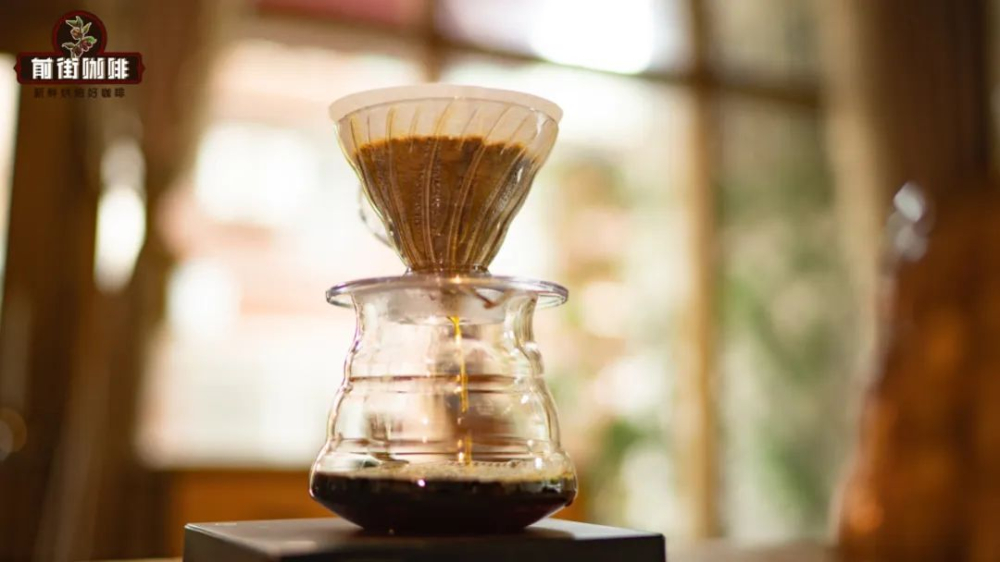
Different materials lead to vastly different brewing experiences. First, let’s address the most intuitive concern—price differences. But setting price aside, the biggest difference among dripper materials is “temperature control.” Each material has varying thermal conductivity and specific heat capacity, affecting heat exchange when hot water contacts the dripper, which in turn impacts overall extraction performance. If you’ve been following standard online parameters but still feel the flavors are off, it might be because you’ve overlooked the unique characteristics of your dripper’s material.
So, what is thermal conductivity? Simply put, it’s the speed at which an object transfers thermal energy. The higher the thermal conductivity, the faster heat moves from one object to another. For example, if you touch a 100°C metal object and a 100°C rubber object, although their surface temperatures are the same, the metal will feel much hotter because it conducts heat quickly, transferring thermal energy rapidly to your skin. In coffee brewing, this means a high-thermal-conductivity dripper will draw heat away from the hot water more quickly, affecting the actual brewing temperature of the water.
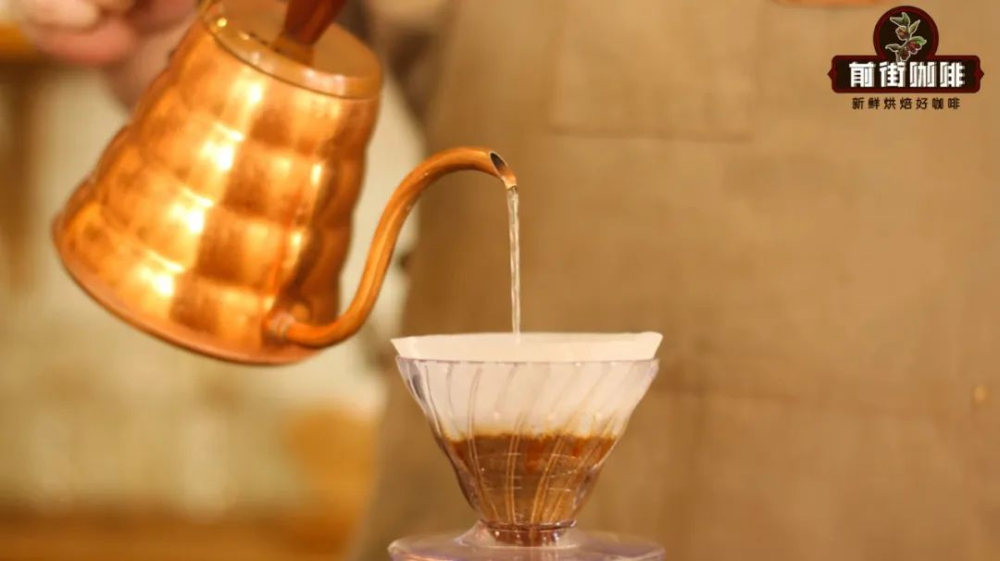
Next is specific heat capacity, which refers to the amount of heat required to raise an object’s temperature by a certain degree. The higher the specific heat capacity, the stronger the object’s ability to store heat, but it also means more energy is needed to heat it up, and it cools down more slowly. For instance, a ceramic coffee cup usually takes longer to heat than a metal cup because ceramic has a higher specific heat capacity. When brewing coffee, a dripper with high specific heat capacity will absorb more heat from the hot water, causing the water temperature to drop and reducing extraction efficiency.
Once we understand the concepts of thermal conductivity and specific heat capacity, it becomes clearer how dripper materials influence extraction. When hot water contacts the dripper, the dripper absorbs or releases heat based on its own thermal conductivity and specific heat capacity until it reaches thermal equilibrium with the water. If the dripper absorbs too much heat, the actual brewing temperature of the hot water decreases, which can affect the release of coffee flavor compounds—especially those that require higher temperatures for full extraction.
Currently, the most common dripper materials on the market can be roughly ranked by thermal conductivity as: metal > ceramic > glass > resin; and by specific heat capacity as: resin > ceramic > glass > metal (this ranking also relates to material volume). Based on these two physical properties, we can summarize the practical performance of different dripper materials:
Metal drippers conduct heat extremely quickly and have relatively low specific heat capacity. Even without preheating, they can quickly reach a stable state and are less likely to excessively affect water temperature. However, if preheated, their rapid heat dissipation means the preheating effect can quickly diminish. It’s recommended to use them immediately after preheating to maintain a stable brewing temperature.
Ceramic drippers conduct heat quickly but have high specific heat capacity. This means that if not sufficiently preheated, they will rapidly absorb heat from the hot water, causing the brewing water temperature to drop, which affects extraction efficiency and flavor expression. However, if properly preheated before brewing, ceramic drippers offer good heat retention and can maintain a more stable brewing temperature—but care should be taken to avoid over-extraction.
Glass drippers have slower thermal conductivity and moderate specific heat capacity, resulting in a relatively gentle effect on the temperature of the hot water. They don’t significantly alter the brewing water temperature, making them suitable for users seeking stable and mild extraction. Their material properties lead to more consistent water flow and temperature stability, making them ideal for beginners or those who prefer consistency.
Resin drippers absorb heat very slowly, so even without preheating, they don’t significantly impact water temperature. Although their specific heat capacity is relatively high, their low heat absorption efficiency means their effect on overall brewing temperature is minimal—they are the material choice least likely to interfere with brewing temperature. However, it’s worth noting that the design and craftsmanship of different brands’ resin drippers may still affect water flow speed.
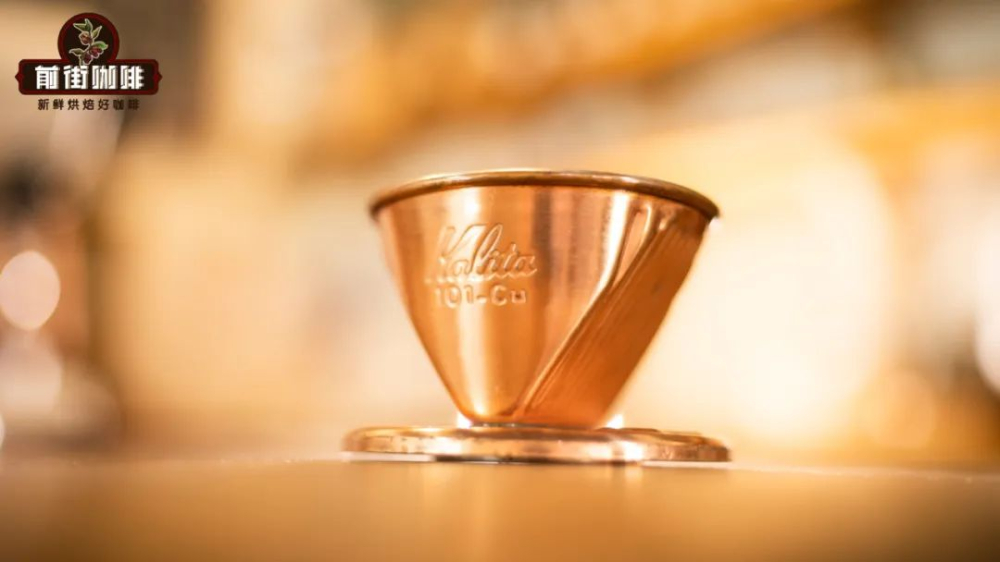
In summary, the differences in thermal conductivity and specific heat capacity among various dripper materials affect the temperature performance of hot water during extraction, thereby altering extraction efficiency and flavor release. Even for the same model like the V60, metal, ceramic, and resin versions may exhibit different water flow speeds due to material differences—related to manufacturing techniques, flow guide rib designs, and the overall structure of the dripper. Therefore, it’s advisable not to rely entirely on generic online parameters during brewing. Instead, adjust grind size, water temperature, and technique flexibly based on the actual material properties of your dripper to fully unlock the potential of your coffee.
The above content is compiled by CoffeeHunters, a coffee news website.


