







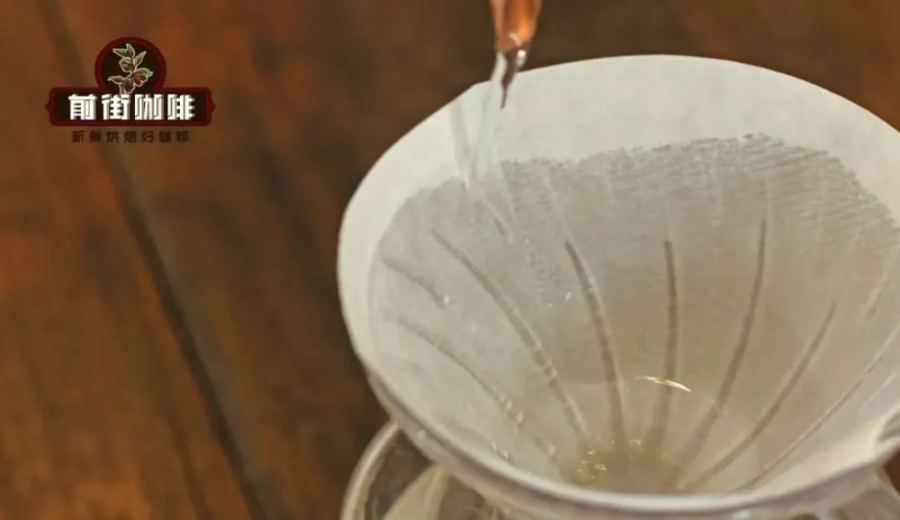
Introduction:When brewing pour over coffee, whether or not to pre-wet the filter paper is a common question among many coffee enthusiasts. This seemingly simple step can subtly affect the final brew yield, concentration, and overall flavor profile. This article presents a practical test using two types of pour over cones—V60 and Origami—with both cone-shaped and basket-style filters. Through data on brew weight, concentration analysis, and real taste comparisons, it helps clarify the necessity of wetting the filter and explores the relationship between the water used during the bloom phase and the concentration of the initial extraction.
Do you really need to pre-wet the filter paper when brewing pour over coffee? Though this may seem like a minor detail, it can potentially influence the overall brew yield, concentration, and even flavor. In this experiment, we used two popular pour over cones—the V60 and the Origami—paired with both cone-shaped and basket filters. We conducted comparative brews with and without pre-wetting the filter. Not only did we record the final brew weight of each cup, we also analyzed extraction data with a concentration meter, and evaluated taste differences through actual cupping. This multi-dimensional approach helps you understand the impact of this step.
The coffee beans used in this experiment were “Big Belly Button” from Fenqian Farm, which cupped with distinct notes of blackcurrant, blueberry, and sweet orange—ideal for observing subtle changes. The brewing parameters were standardized as follows: 15 grams of coffee, a 1:15 coffee-to-water ratio, 92°C water temperature, using an Ek43 grinder at setting 9.5 (approximately the coarseness of granulated sugar), and a three-stage pouring technique. The following experimental process will focus directly on key data and sensory comparisons, skipping the specific step-by-step procedure.
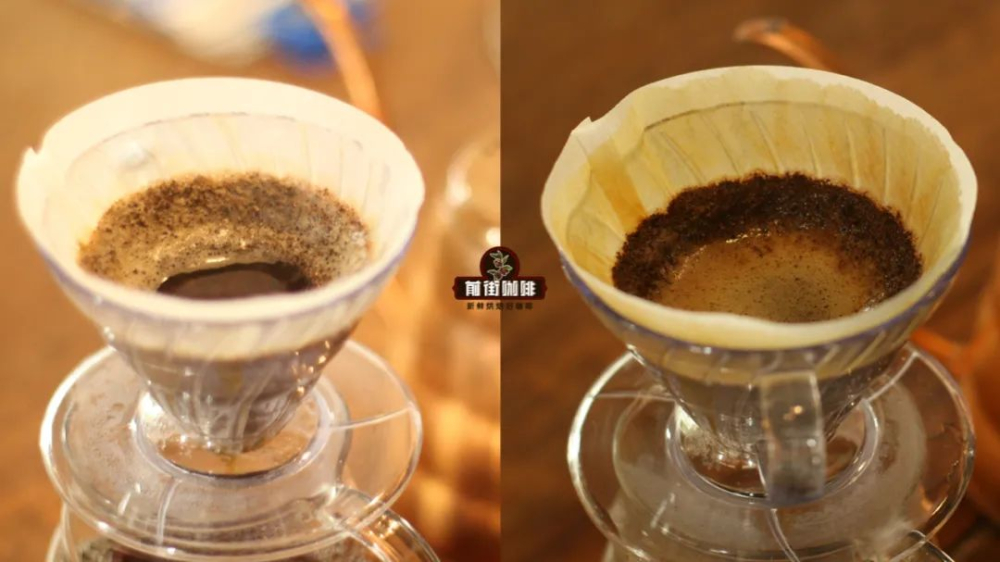
During the experiment, it was observed that due to the internal flow-guiding rib structures present in both the V60 and Origami cones, there was an approximate 7-second difference in total brew time between the groups that pre-wetted the filter and those that did not. The pre-wetted groups had slightly longer brew times—around 2 minutes 6 seconds for the V60 and 2 minutes 12 seconds for the Origami. This difference primarily stems from how pre-wetted filter paper affects water flow speed.
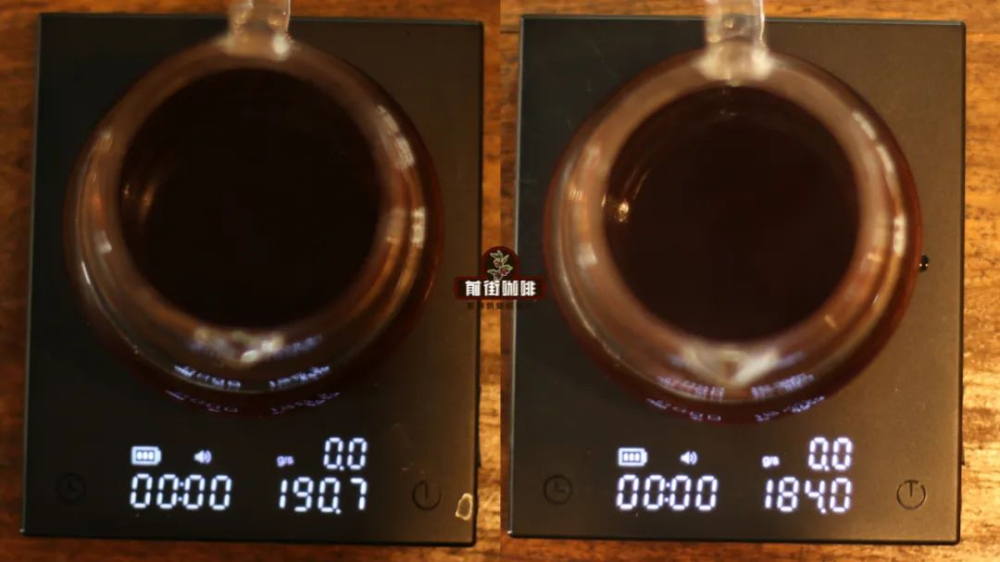
In terms of brew weight, the experiment strictly controlled the amount of hot water poured at 225 milliliters. Ultimately, the two groups using pre-wetted filters (both V60 and Origami) yielded coffee liquid weights of around 190 milliliters, while the groups without pre-wetting had brew weights generally around 184 milliliters. After subtracting the approximately 30 milliliters of water absorbed by the coffee grounds themselves, the filter paper only retained about 5 milliliters of liquid.
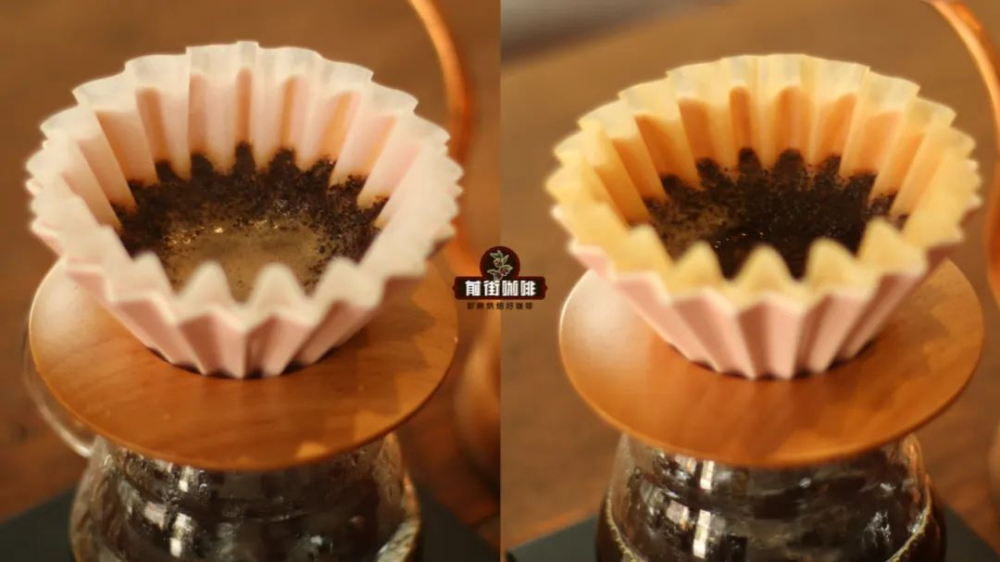
So, does this seemingly small 5-milliliter difference alter the coffee’s concentration and overall flavor? We then used a professional concentration measurement device for analysis and conducted blind tastings with several experienced cuppers. The data showed no significant difference in concentration readings between the coffee samples with and without pre-wetted filters. In terms of actual taste, testers could hardly distinguish the flavor differences among the four cups (when comparing within the same group). This shows that the small amount of liquid absorbed by the filter has a very limited impact on overall extraction performance.
This result is actually related to the nature of how filter paper absorbs liquid. When the filter paper is dry, it initially absorbs the first coffee liquid it comes into contact with to reach saturation. However, the first liquid that flows out typically comes from coffee grounds that have not yet fully released their carbon dioxide. At this stage, the extraction efficiency is low, so the coffee substances in this portion of liquid are relatively low, and the concentration is naturally lower.
Why is the concentration of the first liquid that comes into contact with the filter lower? The key lies in the purpose of the bloom phase. The hot water poured during blooming (usually twice the coffee dose, around 30 milliliters) is primarily meant to drive off carbon dioxide from the coffee grounds, allowing subsequent hot water to more effectively penetrate and extract flavor compounds. Since the coffee grounds have not yet fully degassed, the hot water cannot efficiently extract a large amount of aromatic compounds, resulting in a lower extraction rate and naturally a lower concentration for this portion of liquid.
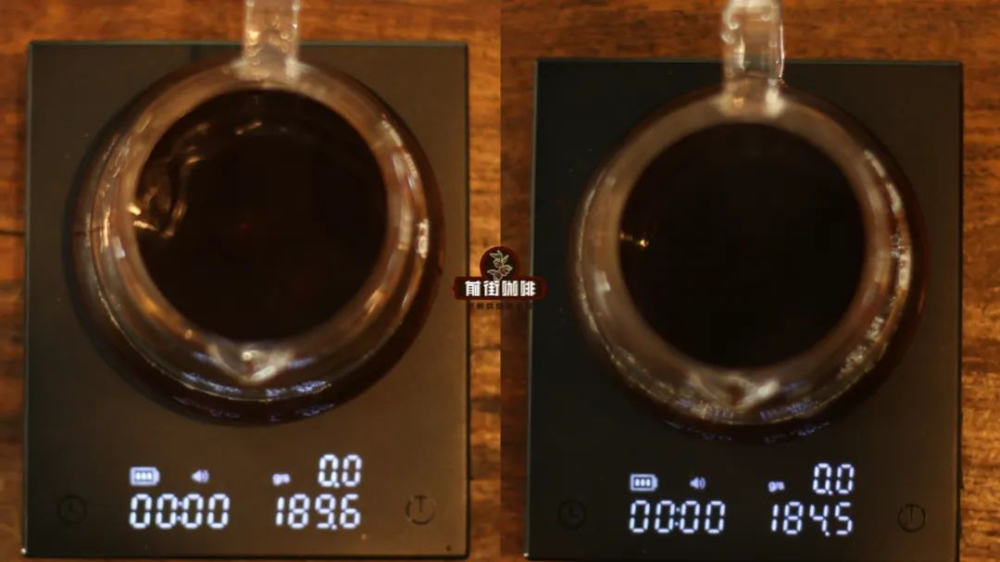
That’s why we generally recommend using “twice the coffee dose in water” for blooming—this both promotes carbon dioxide release and minimizes the waste of this “low-efficiency extraction” water. The liquid not absorbed by the coffee grounds is precisely the first to come into contact with the filter. Therefore, when the filter is not pre-wetted, it first absorbs this portion of liquid, which has a lower concentration. This explains why the 5 milliliters of liquid absorbed by the filter has minimal impact on the overall taste of the final coffee.
In summary, while pre-wetting the filter may slightly extend the brew time and alter the final brew weight, its actual impact on concentration and flavor is almost negligible. If you’re accustomed to pre-wetting the filter to reduce paper taste or stabilize flow rate, you don’t need to worry about compromising flavor. On the other hand, if you’d rather skip this step, there’s no need to overthink it. The key still lies in mastering overall parameters and maintaining stability in your brewing technique.
The above content is compiled by CoffeeHunters, a coffee news website.


