







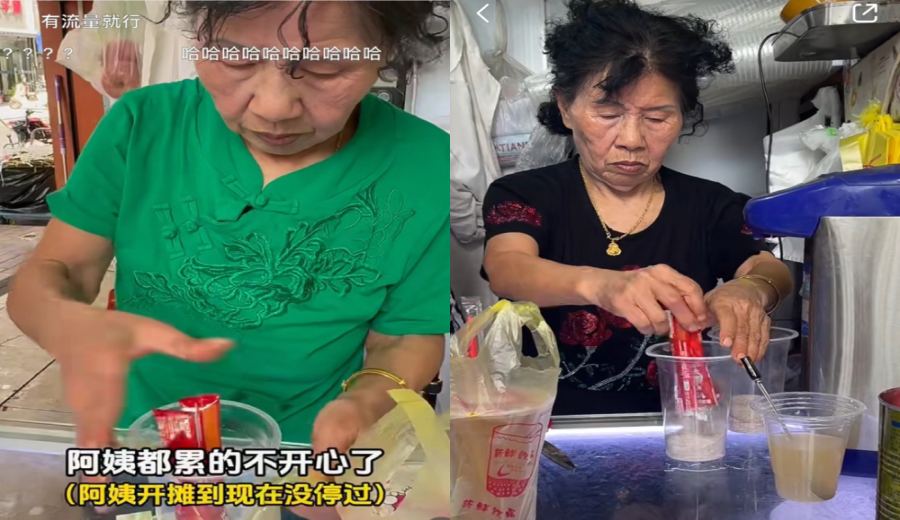
Introduction:A small shop in Nanjing, "Grandma Han’s Sugarcane Juice," has unexpectedly gone viral for its 10-yuan pour over coffee. Shop owner Grandma Han brews the coffee on-site using three sachets of Nestlé instant coffee, attracting numerous young people to queue up for the experience. Within just 48 hours, Nestlé instant coffee sold out, and even the supply of hot water ran short. This article delves into the phenomenon behind the sudden fame, exploring Grandma Han’s business philosophy, Nestlé’s rapid response strategy, and the challenges and opportunities brought by internet fame.
A small shop in Nanjing called "Grandma Han’s Sugarcane Juice" quickly rose to fame online after introducing a 10-yuan pour over coffee. Shop owner Grandma Han brews the coffee for customers using three sachets of Nestlé instant coffee on the spot. This simple yet heartwarming approach has drawn many young people eager to visit and take photos. The viral effect caused Nestlé instant coffee to sell out within less than 48 hours, and even the shop’s hot water supply became strained.
In an interview, Grandma Han said that although the profit margin on coffee is slim, the low-margin, high-volume model still allows her to sustain the business. She emphasized that she has always run her shop honestly and never expected such attention over a 10-yuan cup of coffee.She mentioned that the shop normally opens at 9 a.m., but in recent days, customers have been lining up before it even opens.She laughed and said, "These past two days, we’ve been selling more coffee. Today more than yesterday, and yesterday more than the day before."
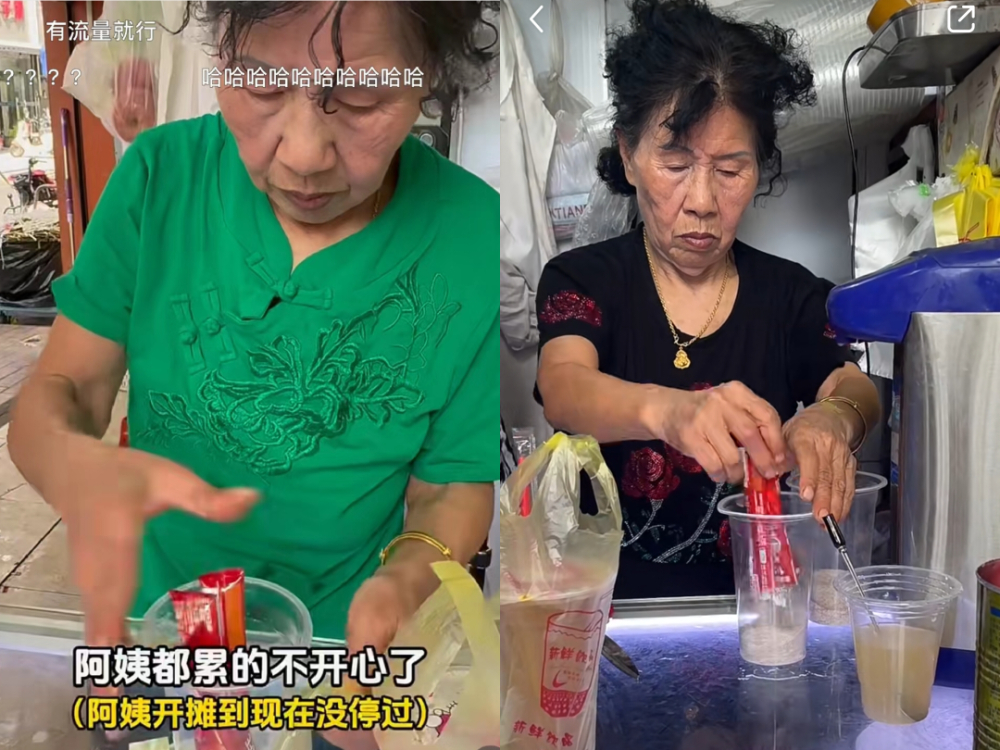
In fact, Grandma Han’s “main business” is selling sugarcane juice, managing to sell over 1,000 pounds a day. The shop has been in operation for more than 30 years. She recalled that the price of coffee used to be 6 yuan for two sachets, and has now adjusted to 10 yuan for three.She admitted that she has always drunk Nestlé coffee, which was already considered quite a luxury in her younger days.
Inside the shop, reporters observed Grandma Han had prepared a large number of Nestlé 1+2 instant coffee sachets. As she busily cut open the packets, she noted that her stock was running low.She uses an old-fashioned thermos flask to brew the coffee, adds the right amount of hot water, stirs it evenly with a spoon, then seals the bag — the whole process is skilled and swift.When asked whether a 10-yuan pour over coffee is profitable, Grandma Han frankly stated that although the profit per cup is not high, the volume makes up for it, and it remains a viable business.
As the viral effect spread, the shop attracted many internet influencers and live streamers to come and film.These content creators not only documented Grandma Han’s coffee-brewing process but also captured the reactions of the onlookers, with some livestreams drawing over 10,000 viewers.However, the influx of attention brought not only opportunities but also challenges. Some netizens filmed instances of customers leaving without paying, and Grandma Han was seen trying to track down those who hadn’t settled their bills — showing that even amid viral fame, real-world operational issues still need to be managed.
As one of the biggest beneficiaries of this wave of attention, Nestlé responded swiftly.They updated their product packaging cover to read "The Same 10-Yuan Coffee as Grandma from Nanjing," and designed a custom cartoon image of Grandma Han.Additionally, Nestlé arranged for offline free supply and actively considered inviting Grandma Han to participate in livestreaming to further amplify the impact.
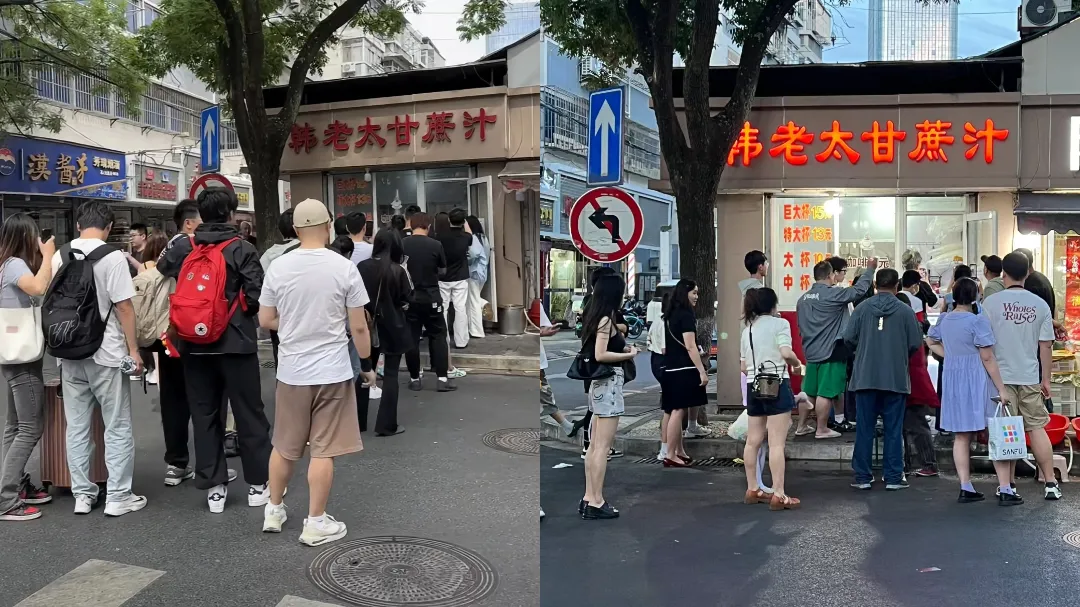
This incident not only showcases the potential for traditional small businesses to go viral in the social media era but also highlights a brand’s ability to quickly respond to market changes. For coffee enthusiasts, this is not only an interesting piece of social news, but also a real-world case study on the popularization of pour over coffee and market responsiveness.
The above content is compiled by CoffeeHunters, a coffee news website.


