







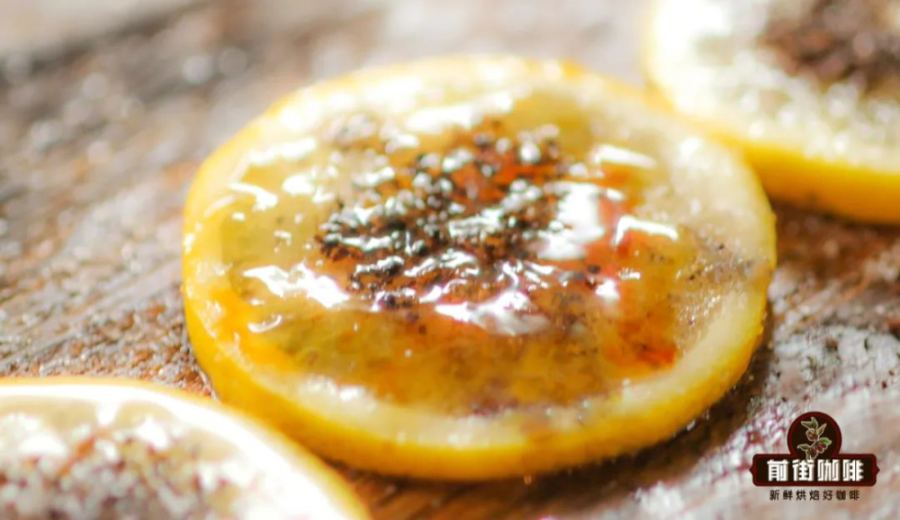
Introduction:Lemon Zest Squares are an easy-to-make Italian-style dessert that only requires lemon slices, coffee powder, and sugar. Once popularized by the Taiwanese variety show "Kangxi Lai Le," it’s also surrounded by anecdotes linking it to the Italian Mafia. This article will take you through the history of lemon cultivation in Sicily, explore the origins of this dessert, and share practical tips for making it—including how to choose lemons, recommended coffee roast levels, sugar options, and advanced caramelization techniques using a blowtorch—to help you create a richly layered Lemon Zest Square at home.
Lemon Zest Squares are a minimalist Italian coffee dessert made with just fresh lemon slices, coffee powder, and sugar. The result is a small treat that balances sweet, sour, and slightly bitter flavors with a dynamic texture. This dessert gained widespread recognition through the well-known Taiwanese variety show “Kangxi Lai Le,” where it was mentioned in connection with legends about the Italian Mafia. While historical records are scarce, tracing the history of lemon cultivation in Sicily offers a glimpse into the cultural background and interesting stories behind this treat.
What’s the connection between Lemon Zest Squares and the Mafia? It all goes back to 19th-century Sicily. At the time, Europe was grappling with an outbreak of scurvy, and people gradually discovered that citrus fruits—especially lemons—were rich in vitamin C and effective in preventing the disease. As a result, lemons transformed from mere decorative or perfume ingredients into vital medical and nutritional resources, significantly increasing their value. Seeing this, Sicilian farmers shifted from growing grapes, wheat, and olives to cultivating lemons, turning them into a major cash crop in the region.
However, the high economic value of lemons also attracted the attention of bandits. During the lemon harvest season, orchards became frequent targets for thieves, with hard-earned crops often stolen overnight. Since Sicily was still under the control of foreign military forces at the time, social order was chaotic. To protect their livelihoods, farmers began hiring local enforcers to guard their orchards—this was the embryonic form of what would later become the Mafia. Legend has it that Lemon Zest Squares were created during this period, serving as a dessert to help night guards or orchard watchers stay alert during long nights.
But were Lemon Zest Squares really the Mafia’s favorite? While there’s no definitive historical documentation, one can speculate based on the scenario: night watchmen needed to stay awake, and a snack combining the fresh acidity of lemon, the slight bitterness of coffee, and the sweetness of sugar could certainly help perk them up. Now, let’s delve into the actual preparation and key techniques of this dessert.
The ingredients for making Lemon Zest Squares are very simple: fresh lemon slices, coffee powder, and sugar. Though it may seem easy, there are quite a few details in ingredient selection and preparation that are worth paying attention to in order to achieve a dessert with balanced flavors and a rich mouthfeel.
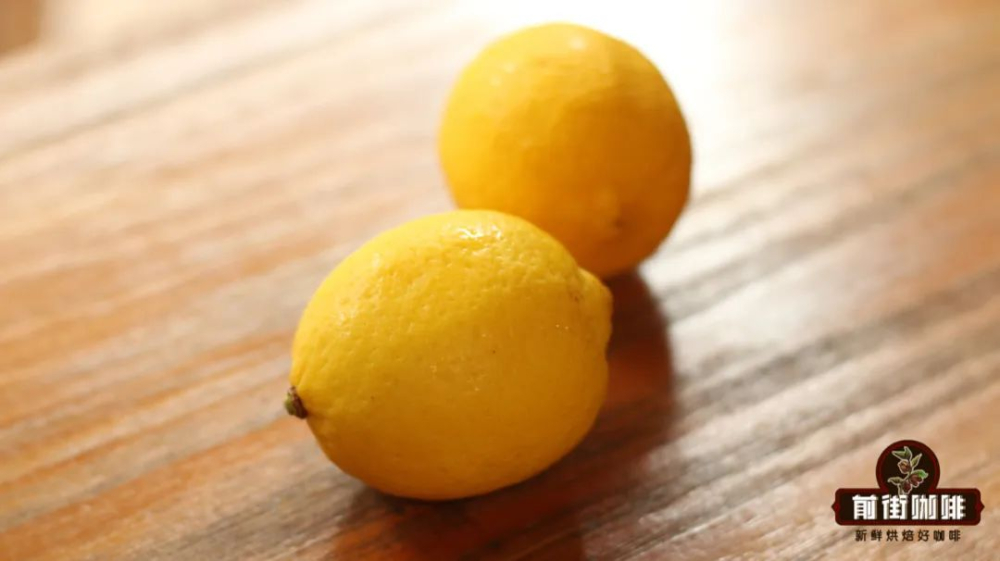
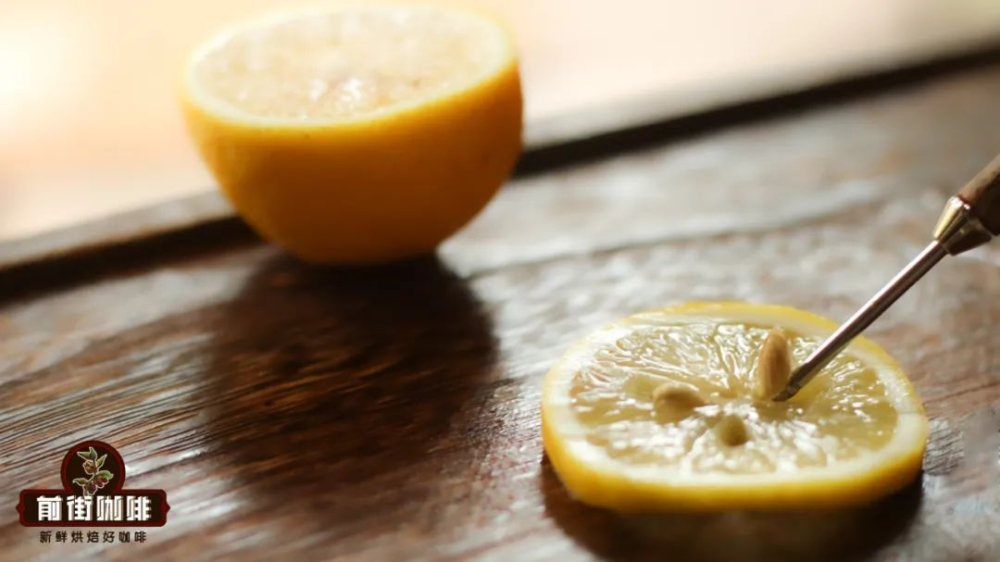
First, the choice of lemons. Many people mistakenly believe that the bitterness in lemons comes from the peel, but the main source of bitterness is actually the seeds inside. To reduce bitterness, it’s recommended to choose seedless lemon varieties, or carefully remove the seeds after slicing. Additionally, the thickness of the lemon slices affects the overall texture—medium thickness is ideal. Slices that are too thick will have an overly astringent rind flavor, while those that are too thin may be overpowered by the sugar and coffee.
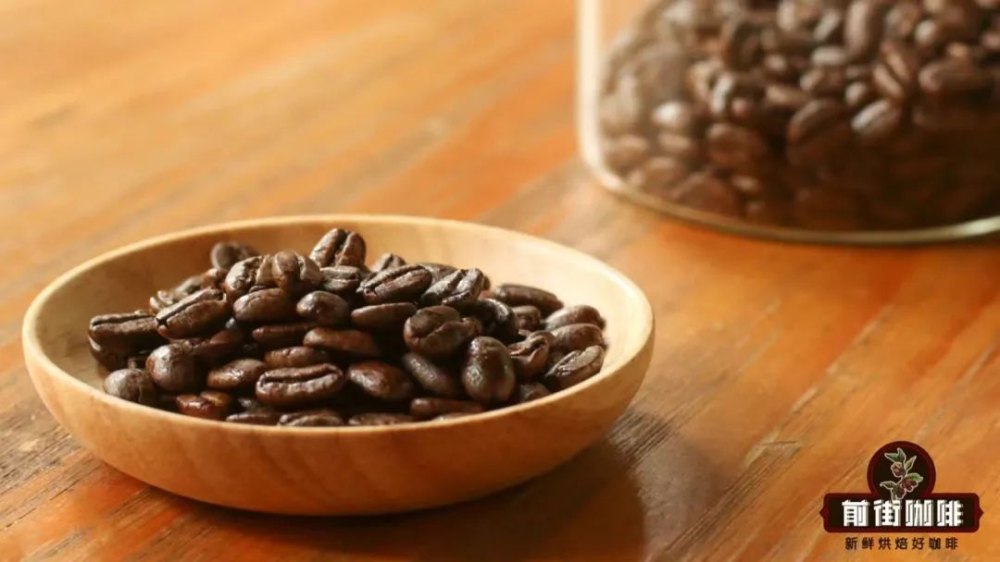
Next, the coffee beans. It’s recommended to use dark roasted coffee beans because they are less dense and more brittle—not only are they easier to chew, but their pronounced bitterness also contrasts beautifully with the acidity of the lemon and the sweetness of the sugar. Even if you opt for freshly ground coffee powder, use a medium-coarse grind suitable for standard hot brewing. A too-fine grind can lead to clumping, which negatively affects texture.
As for the sugar, if you have brown sugar on hand, it’s recommended to use it first. Brown sugar is sweeter and has a unique aroma that can add layers of flavor to the dessert. If you don’t have brown sugar, white granulated sugar works perfectly fine—you can simply adjust the overall sweetness by increasing the amount accordingly.

Here are the steps for making it: First, slice the lemons, paying attention to controlling the thickness. Then, sprinkle sugar and coffee powder (you can use freshly ground powder or whole beans, though the latter are less convenient to eat) over the lemon slices in sequence. For the coffee powder, it’s best to use a grind size suitable for common hot brewing methods, balancing flavor release and mouthfeel.
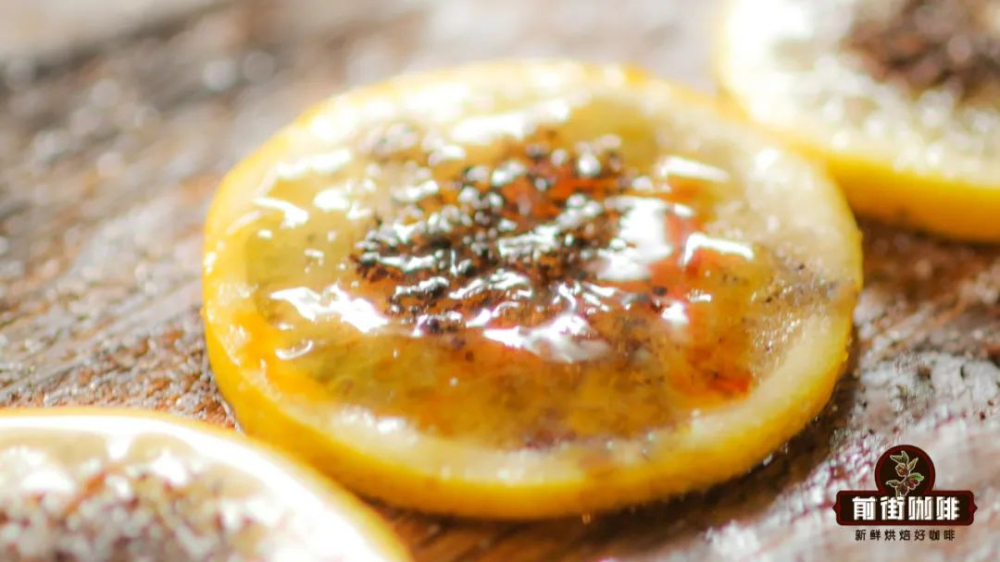
At this point, you can already enjoy the original version of Lemon Zest Squares, experiencing the interplay of sour, sweet, bitter, and aromatic flavors in your mouth. For an upgraded version, you can use a blowtorch to caramelize the surface sugar until golden and crisp. However, if you choose this method, it’s recommended to first sprinkle the coffee powder and then the sugar, to ensure the caramel evenly adheres.
With each bite, you can feel the elasticity of the lemon fibers, the slight crispness of the coffee powder, and the unique texture of caramelized sugar. In terms of flavor, the acidity of the lemon juice becomes mellow when balanced with a generous amount of sugar, and when you bite into the coffee powder, its slightly burnt bitterness contrasts wonderfully with the sweet and sour elements, creating a dessert with distinct layers and an amazing taste experience.
Whether you’re a coffee enthusiast, a dessert lover, or simply interested in Italian food culture, Lemon Zest Squares are a creative dessert worth trying yourself. Why not give it a go at home and experience the full process from ingredient selection to cooking? You might just find yourself savoring the historical essence tied to Sicilian lemon cultivation and the legends of the Mafia.
The above content is compiled by CoffeeHunters, a coffee news website.


