







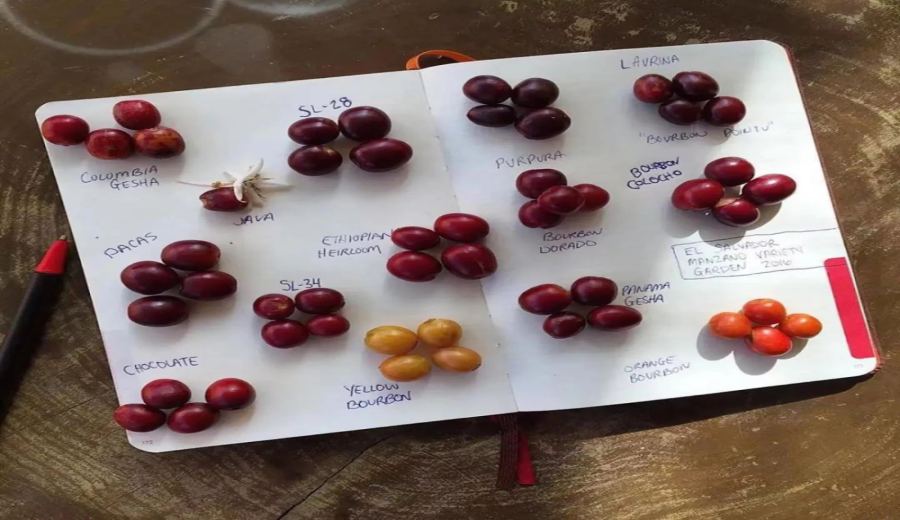
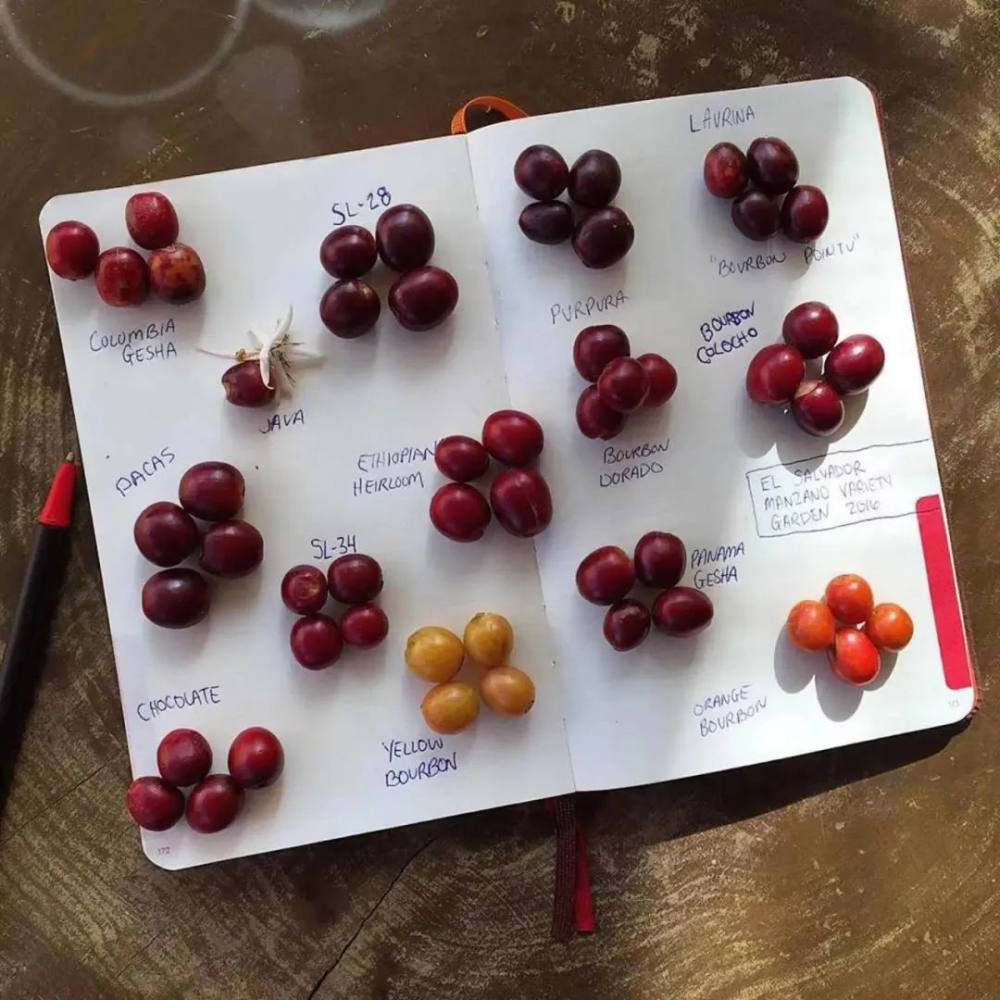
Introduction:The diverse varieties of Arabica coffee mostly originate from the two elders—Typica and Bourbon. This article will guide you through their appearances, histories, and flavor profiles to clarify the differences among common varieties such as Typica, Bourbon (including Red Bourbon), SL28 and SL34, Caturra, Catuai, as well as the now-renowned Panamanian Geisha. Whether you're a beginner in pour over coffee or eager to learn more about the stories behind coffee beans, you’ll gain practical insights here.
The world of coffee is rich and varied, and most of the commonly seen varieties can actually be traced back to two ancestors under the Arabica umbrella—Typica and Bourbon. This article will start with visual characteristics and introduce one by one Typica, Bourbon (specifically Red Bourbon), SL28 and SL34, Caturra, Catuai, and the recently famous Panamanian Geisha. At the same time, it will also clarify a common point of confusion: what exactly is the connection between Panamanian Geisha and Ethiopian Huila Huashan (Huashan means “Flower Queen” or “花魁” in Chinese)? By tracing the origins, dissemination paths, and naming backgrounds of each variety, we aim to help coffee enthusiasts better understand their lineages and unique traits.
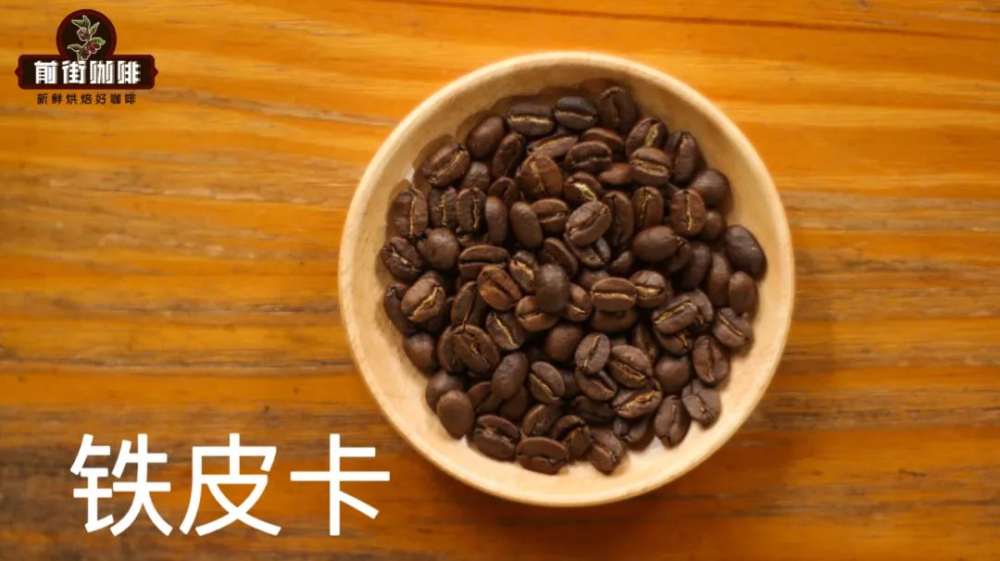
Typica can be considered an elder statesman of the Arabica family—not only was it the first variety to spread out from Ethiopia (via Yemen and then to other regions), but it also represents the classic image of “Arabica” in many people’s minds. The commonly seen illustrations of Arabica online often depict the tall, round-beaned Typica. For example, the variety planted in the renowned Blue Mountain region is none other than Typica. Its flavor is delicate, with bright acidity, but it has low yield and weak disease resistance, requiring meticulous management to grow stably.
Bourbon is another major elder, which, although it took a step later than Typica to reach the world stage, also boasts a long history. Notably, Bourbon is actually a natural mutation of Typica: Typica beans are relatively long and have an overall elliptical shape, while Bourbon beans are shorter at both ends, with a stockier, more rounded overall appearance. Placing the two side by side, the differences are immediately obvious.
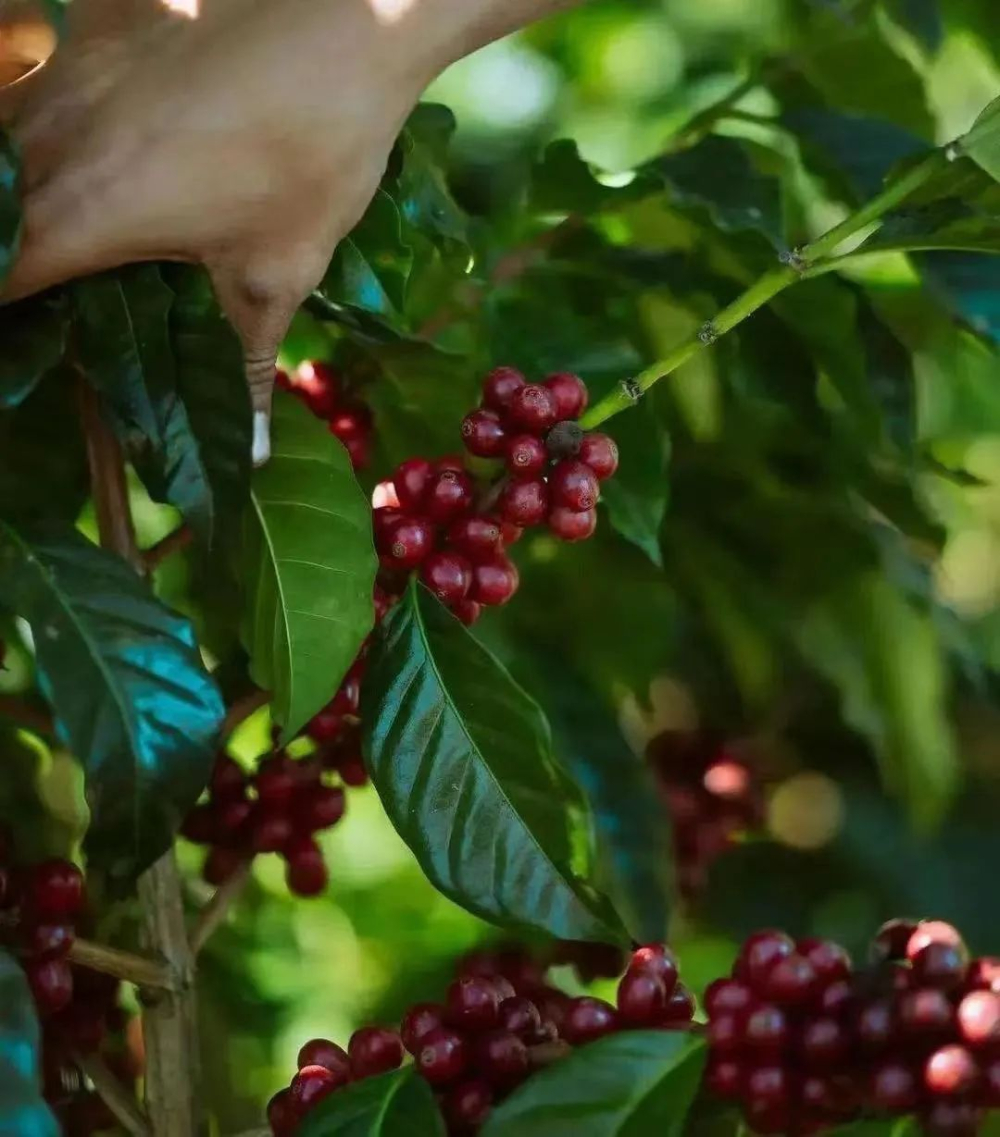
In addition, with the emergence of Yellow Bourbon (a hybrid of Bourbon and Yellow Botucatu), to distinguish it from the yellow-fruited Bourbon, the original red-fruited Bourbon came to be commonly referred to as “Red Bourbon.” Both Typica and Bourbon, although they deliver outstanding flavor profiles, generally lack disease resistance, and with high cultivation thresholds and limited yields per unit, many regions that once primarily grew these two varieties switched to alternatives with stronger disease resistance and higher yields after being hit by leaf rust.
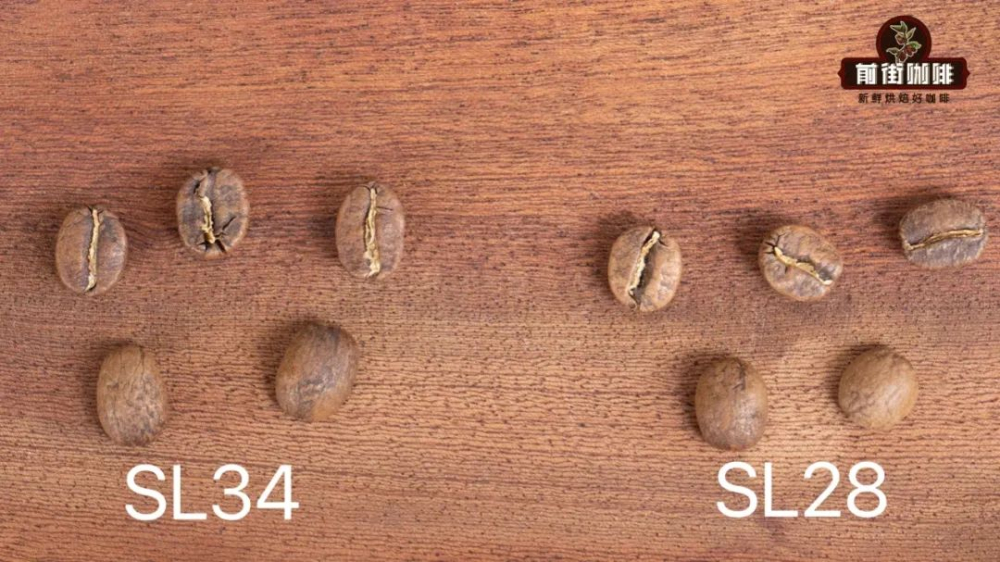
When it comes to modern coffee variety improvement, SL28 and SL34 are key players that cannot be overlooked. In the 1930s, the British established the Scott Agricultural Laboratories in Kenya and spent over a decade developing disease-resistant new varieties. Eventually, they successfully launched the SL series, among which SL28 and SL34 stood out the most. “SL” stands for Scott Laboratories, and 28 and 34 are the variety codes.
In the early days, it was widely believed that both were variants of Bourbon, as the original parent materials used by the laboratory were mostly sourced from Bourbon Island (the birthplace of Bourbon). However, according to recent test results from the World Coffee Research (WCR), SL34 is actually a variant of Typica. This also explains why SL28 (rounder in shape) and SL34 (taller) show clear differences in appearance—their genetic roots are simply different.
Caturra is a natural mutation variety of Bourbon. In the early 20th century, farmers in a Bourbon plantation in Minas Gerais, Brazil, discovered an unusually short Bourbon plant. After identification, it was confirmed to be caused by a genetic mutation, hence it was named “Caturra” (meaning “little one”). Caturra not only outperformed Bourbon in yield but also exhibited greater adaptability and more relaxed environmental requirements (less prone to “death” due to environmental changes), making it a practical choice for many producing regions.
Catuai is a further hybrid result of Caturra and “New World” (a variety naturally hybridized from Bourbon and Typica), originally designated as “H-2077.” This variety inherits Caturra’s compact size while also offering high yield, strong disease resistance, good flavor performance, and excellent growth resilience. Due to its outstanding overall qualities, it was later officially renamed “Catuai” (meaning “very good”), becoming a reliable partner for many coffee farmers.
When it comes to Geisha, many coffee enthusiasts immediately think of that astonishing Panamanian “T2722.” In fact, Geisha was first discovered in 1931 in the Kaffa forest of Ethiopia, but at the time, the trend was heavily roasted coffee, and its delicate floral and fruity notes did not receive much attention. It wasn’t until decades later, with the arrival of the specialty coffee era, that Geisha rose to fame in Panama with its unique aroma and layered complexity.
Interestingly, when Geisha was initially collected and registered, its name was mistakenly recorded as Geisha (with an extra “i”), rather than the correct Gesha. Since “Geisha” in English refers to “geisha” (a traditional Japanese profession), Taiwan directly translated it as “艺伎 (geisha).” Also due to this background, when the Ethiopian native variety “花魁 (Huā Kuí, meaning ‘Flower Queen’ or top-ranking geisha)” became popular in 2017, it was introduced with the imagery of “surpassing Geisha”—as “花魁” represents the highest rank in the geisha system, symbolizing its flavor potential is no less than that of Geisha.
The above content is compiled by CoffeeHunters, a coffee news website.


