







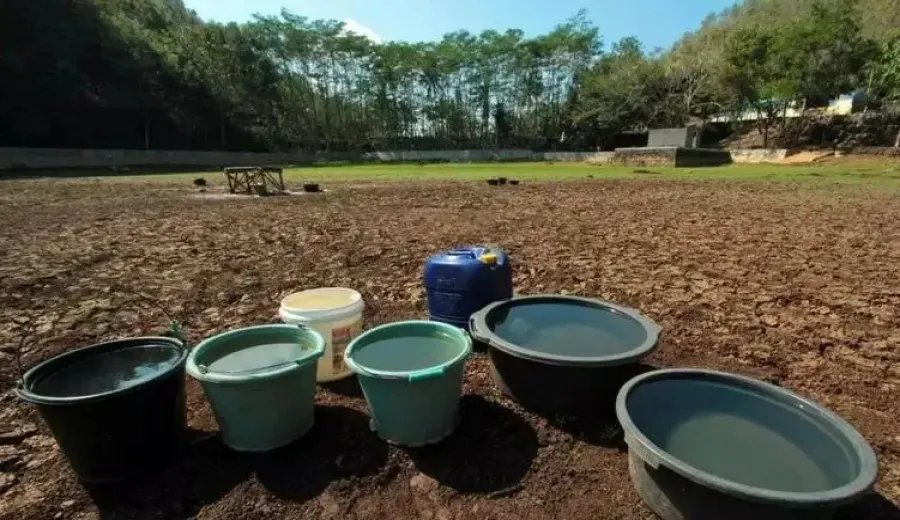
Introduction:After enduring extreme weather events such as droughts, floods, and volcanic eruptions triggered by the 2023 El Niño, Indonesia’s coffee production fell to a low of 9.7 million bags in the 2023/24 crop year. However, with gradual improvements in weather conditions, output is expected to rebound to 10.9 million bags in the 2024/25 season — an increase of 12.3%. Robusta accounts for over 87% of this, while Arabica makes up around 13%. Yet, threats from La Niña, soaring fertilizer costs, and technical gaps among farmers remain the three major challenges to stable industry recovery.
Recent official data on Indonesia’s coffee industry show that, due to prolonged drought caused by the 2023 El Niño phenomenon, the country’s total coffee output dropped to 9.7 million bags (60 kg per bag) in the 2023/24 crop year. In addition to drought, the region was hit by consecutive natural disasters including floods, landslides, and volcanic eruptions, leading the industry to take a conservative stance on that year’s production.
However, as the harvest season progressed, actual yields exceeded expectations. Entering the 2024/25 crop year, improved weather conditions are projected to push production back up to 10.9 million bags.A year-on-year growth rate as high as 12.3%.Breaking it down by variety, Robusta production is estimated at around 9.5 million bags, making up nearly 87% of the total; Arabica, meanwhile, accounts for approximately 1.4 million bags, or about 13%.
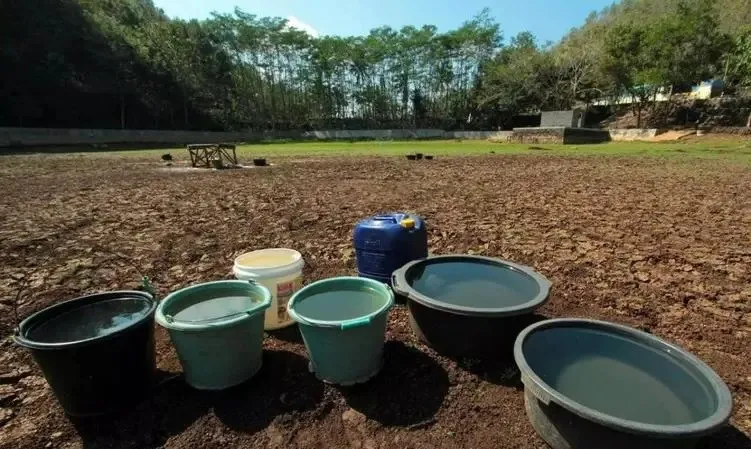
Notably, this rebound is largely driven by stable yields of Arabica varieties grown at higher altitudes, along with gradual recovery in some low-altitude Robusta-producing regions. Previously, harsh weather had significantly impacted Robusta plantations in lowland areas, especially in major producing regions like southern Sumatra. The original harvest window for these areas was from March to April, but delays due to adverse weather have shifted it to May–June, which may also push the export peak to September–October.
Indonesia currently has about 1.2 million hectares of coffee-growing land, with no large-scale replanting plans in the near future. Among these, Sumatra — the country’s largest coffee-producing island — accounts for 60% of total output, though the vast majority is managed by smallholder farmers. Due to regional climatic differences, Robusta yields per hectare are generally below one ton, while Arabica yields are slightly higher but still significantly affected by weather fluctuations.
The current period marks a critical stage in coffee cherry development. Although there are signs of weather improvement,frequent heavy rains and strong windscould still adversely affect fruit development. Farmers need to closely monitor field drainage and provide plant support to minimize losses.
With production recovering, coffee bean exports are also expected to rise in the 2024/25 crop year, increasing from 4.3 million bags in 2023/24 to 6 million bags. Major import markets include the United States, Egypt, Malaysia, India, and Japan, with the U.S. being the largest buyer.
However, industry insiders warn that Indonesia’s coffee industry still faces numerous hurdles on the path to recovery.The potential threat of La Niña cannot be ignored, as this climate pattern often brings excessive rainfall, leading to floods and landslides that can further destabilize production regions.
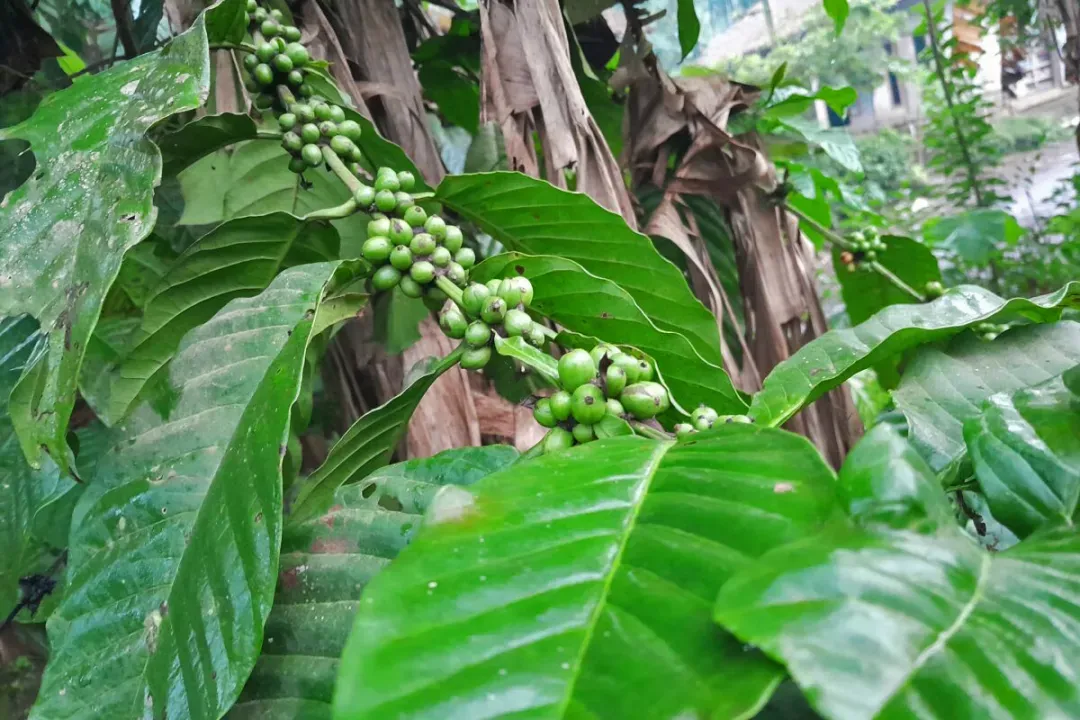
Another key issue is fertilizer. Affected by global geopolitical tensions, fertilizer prices continue to rise, and some smallholder farmers have reduced or even stopped using chemical fertilizers to cut costs. Additionally, many lack knowledge and technical skills in scientific fertilization, resulting in nutritional imbalances in coffee trees and affecting long-term yield and quality.
In response to this situation, industry experts have pointed out that there is room for the government to improve in agricultural extension services and resource subsidies. They call for accelerating efforts to enhance farmer training and technical support, in order to strengthen the competitiveness and sustainability of Indonesia’s coffee on the global market.
The above content is compiled by CoffeeHunters, a coffee news website.


