







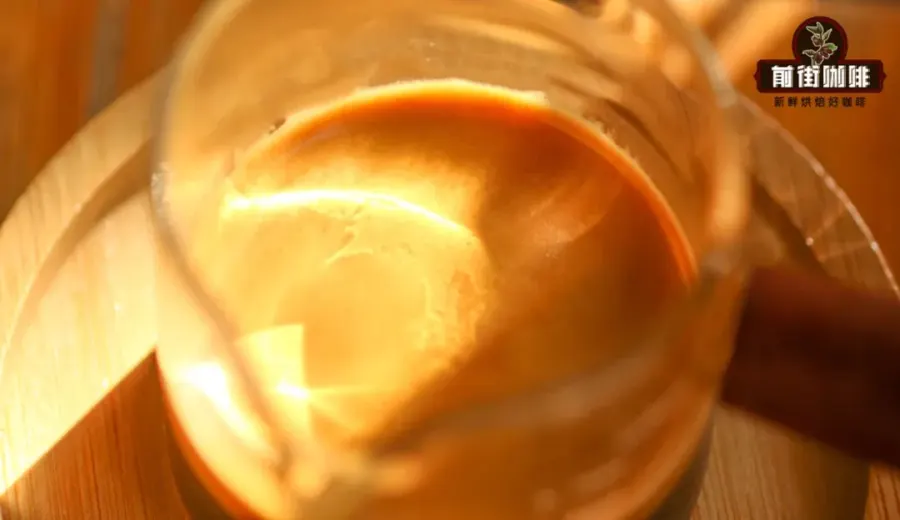
Introduction:Many coffee enthusiasts wonder whether pour over coffee can achieve the same creamy mouthfeel as espresso. The key actually lies in the lipid content of the coffee beans themselves and the filtration characteristics of the filter. This article delves into how lipids affect coffee flavor and compares how different filter materials—such as flannel and non-woven fabric—influence the presentation of oils in pour over brews, offering practical advice to help you adjust your brewing methods for a richer and more full-bodied taste experience.
Can pour over coffee exhibit oils? The answer is yes, but it requires adjusting your method. Unlike espresso, where crema is produced through pressure, the body of pour over coffee mainly comes from the natural lipids present in the coffee beans. These lipids not only enhance the richness of the mouthfeel but also improve aroma expression, serving as an important carrier of coffee flavor.

Coffee beans naturally contain about 20% lipids (in Arabica varieties), which gradually migrate from the bean core to the surface during the roasting process. These oils not only contribute to a rounded mouthfeel but also dissolve various aromatic fatty acids that significantly enhance coffee aroma. However, traditional pour over methods using paper filters have overly strong filtration properties, almost completely blocking the passage of all oils and very fine coffee particles.

Why do brewing methods like the French press produce visible oils? The key lies in the difference in filter materials. Coarser filtration media such as metal mesh or cloth allow trace amounts of oil to pass through, whereas the high-density fiber structure of paper filters nearly intercepts these components entirely. If you want to achieve a similar effect in pour over brewing, switching to a filter material with moderate filtration performance is a viable solution.
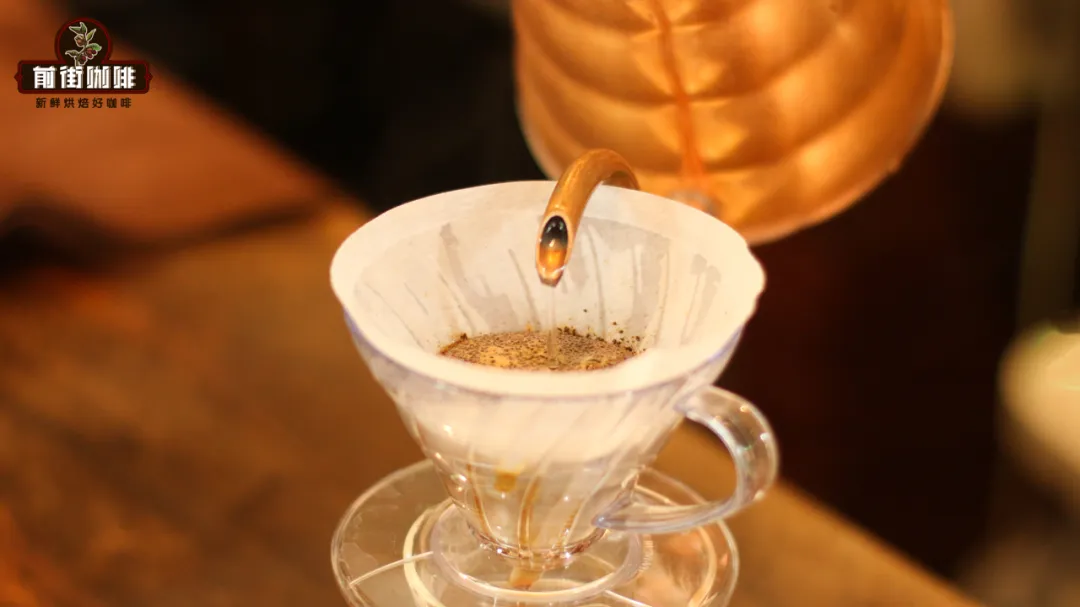
It is recommended to try two alternative options: flannel filters or non-woven fabric filters. Flannel offers better heat retention and visual appeal, but requires more meticulous cleaning and maintenance; non-woven fabric filters are cost-effective and easy to use, but attention should be paid to handling folds and ensuring proper fit with the filter cone. Whichever you choose, you’ll need to adjust factors such as grind size, water temperature, or pouring technique accordingly to balance the extraction changes brought by increased oil presence.
In practice, it’s advised to start with small batch trials to compare how different filter materials influence the flavor layers of your pour over. Remember, more oil is not necessarily better—moderate retention is key to achieving the best balance.
The above content is compiled by CoffeeHunters, a coffee news website.


