








Introduction:Enjoying pour over coffee at home, but often encounter issues like slow dripping, irregular flow rate, off-flavors, or a bitter aftertaste? These problems usually stem from grind size, water quality, pouring technique, or bean characteristics. This article delves into five common extraction challenges—including fine particle clogging, anaerobic process beans, water quality impact, pouring methods, and dark roast parameter settings—providing specific improvement tips and practical techniques to help you refine your pour over skills and brew more balanced, flavor-clear coffee.
Even with decent equipment and beans, home pour over enthusiasts may face several issues: the final coffee drips very slowly or not at all, the flow rate suddenly speeds up under the same grind setting, occasional off-flavors appear, or the aftertaste carries smoky and burnt bitterness. These phenomena are closely related to the distribution of fine particles, bean characteristics, water conditions, pouring methods, and roast level parameters. This article will break down the causes of the five most common extraction issues in home pour overs one by one and offer corresponding strategies, helping you get closer to the ideal flavor with every brew.

Every coffee lover, whether they prefer bright acidity, rich body, or balanced flavors, hopes to brew a satisfying cup at home. However, compared to professional baristas, most people have limited hands-on experience at home, and their equipment may not be as precise or complete as that in cafes, leading to various extraction anomalies. It’s often difficult to pinpoint where the problem lies, let alone how to adjust and improve.
Below, we’ll go through real-life cases to outline several common extraction challenges in home pour overs, helping you identify the root causes and improve brewing stability and flavor expression.
1. Severe water pooling in the final stage, with very slow dripping
Many beginners often encounter extremely slow dripping during the final stage of pour over, where the coffee liquid remains stuck for a long time or even fails to fully drip out. This “water pooling” phenomenon is usually caused by an excess of fine particles, which clog the filter paper pores, significantly slowing down the drainage and often extending the total dripping time beyond two and a half minutes. When the proportion of fine particles is high, the bottom of the coffee bed can become overly saturated or even turn muddy, affecting not only the flow rate but also making the coffee taste more bitter, with unpleasant woody or muted off-flavors.
There are two main reasons for excessive fine particles: the characteristics of the grinder itself and the grind setting used. Both hand grinders and electric grinders produce a certain amount of extremely fine particles during grinding due to bean fragmentation—these particles are much smaller than the target grind size and can easily get trapped in the filter paper, causing blockages.
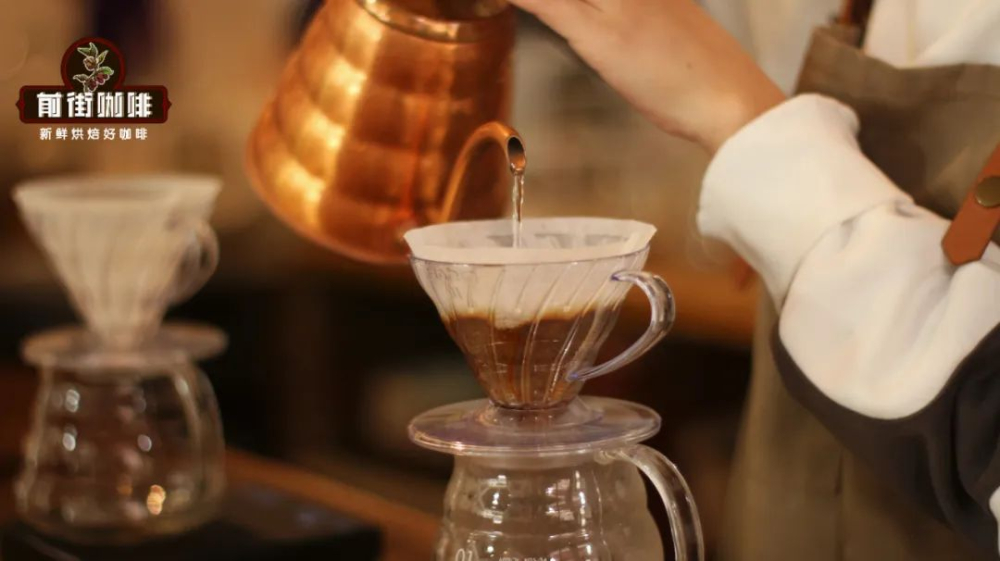
Compared to manual hand grinders, electric grinders typically have larger burr discs, more precise operation, lower heat generation, and better grind uniformity, resulting in a relatively lower proportion of extremely fine particles. If you frequently face pooling issues, and after confirming your grinder is functioning properly, try adjusting the grind setting coarser and observe whether the flow rate and extraction flavor improve. If the flow rate becomes faster but the taste becomes weaker after adjustment, consider slightly increasing the water temperature (by 1–2°C) or reducing the coffee-to-water ratio a bit to balance extraction. But if serious clogging persists and large particles are visibly present on the coffee bed surface, consider purchasing a dedicated sieve to filter out fine particles smaller than 0.2mm, which helps reduce over-extraction-induced bitterness.
2. Same grind size, but flow rate unexpectedly speeds up
Some coffee enthusiasts have shared that when switching to a new bag of beans (also labeled as fruity and floral), without adjusting the grind setting, they found the flow rate became unusually fast after pouring—the usual two-plus-minute brew finished in less than a minute and a half. Based on experience, this is likely due to using anaerobically processed coffee beans.
Anaerobic beans undergo special sealed fermentation, making their internal structure softer. Even if they are light roasted, their density is usually lower than that of regular sun-dried or washed beans. After roasting, anaerobic beans have larger pores, so under the same grind setting, water passes through much faster. Without proper adjustment, this can lead to under-extraction and negatively affect flavor expression.
To address this issue, it’s recommended to slightly adjust the grind finer for anaerobic beans and use a staged pouring technique to extend the time water spends passing through the coffee bed, improving the release efficiency of soluble substances and helping achieve a fuller, more balanced taste.
3. Unstable flavor, sometimes good, sometimes bad, with off-flavors
The performance of a pour over coffee hinges on the quality of the beans, the performance of the grinder, and water conditions. If the beans themselves have good aroma (noticeable fragrance when grinding), the grinder and grind setting are appropriate, and the pouring technique and coffee bed structure are stable—but you still often encounter unexplained off-flavors—then the issue is likely with the water quality.
In everyday water, trace minerals such as calcium and magnesium ions, though minimal, greatly influence coffee extraction. An appropriate amount of calcium ions helps enhance acidity, while magnesium ions can strengthen sweetness and aroma release. However, too much magnesium can make coffee taste bitter and astringent; excessive calcium may cause flavor confusion and a dry mouthfeel.
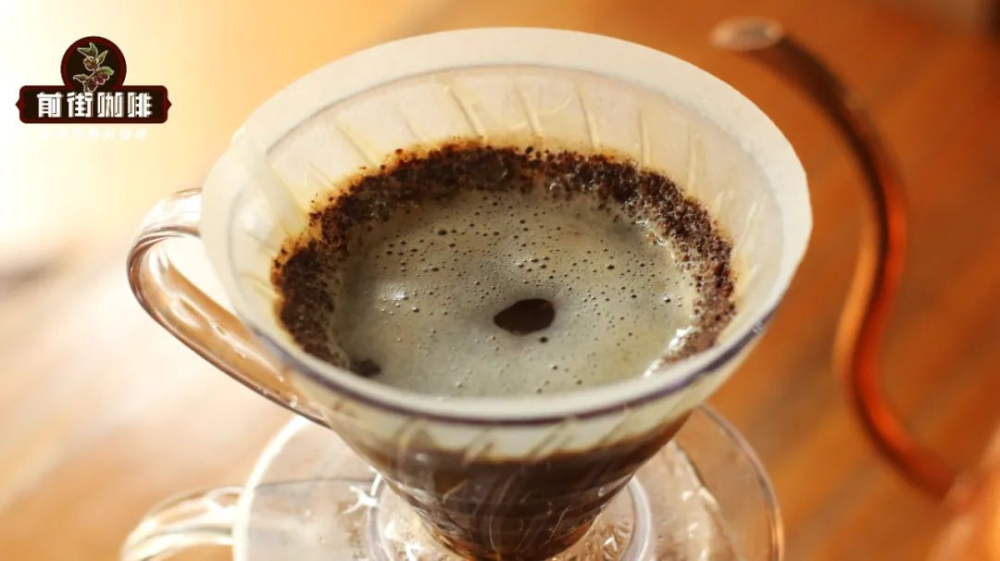
Therefore, choosing the right brewing water is crucial—it’s not advisable to use unfiltered water sources indiscriminately. As for whether to choose purified water, spring water, mineral water, or your home filtration system, you can refer to suggestions in professional articles and adjust based on your actual taste preferences.
In addition, pouring technique also often affects the final flavor. Some people habitually use a small stream of water throughout the circular pouring process, focusing only on the center of the filter, leading to under-extraction of the edges; others tend to cover the entire coffee bed with each pour, even splashing onto the filter wall, which disrupts the coffee bed structure and results in a dull, heavy taste lacking layers. A more common mistake is pouring too forcefully near the end, breaking through the coffee bed with a strong water stream and creating a “channel effect,” where hot water bypasses the coffee grounds via the filter ribs, leaving the upper layers under-extracted and resulting in sharp acidity, watery texture, and lack of flavor.
4. Improve pouring technique to enhance flavor layers
If you want to brew coffee with balanced flavor and distinct layers, adjusting your pouring method is key. Taking the common three-stage brewing as an example, after the bloom, it’s recommended to use a steady, vertical, and relatively large stream of water, maintaining about a 3–4cm distance from the liquid surface, pouring in a clockwise direction from the center outward until the scale shows an accumulated 125g of water.
As the liquid level rises, the coffee grounds adhering to the filter paper gradually decrease. When the water level drops to about half the height of the filter, switch to a smaller stream (about 2cm high), and pour in slow, steady concentric circles with the center at half the radius of the liquid surface. This helps extract the remaining coffee grounds more evenly, avoiding localized over- or under-extraction.
5. Common smoky and burnt bitterness issues with dark roast beans
Smoky and charcoal-like flavors in coffee are generally considered negative, often resulting from over-roasting or improper extraction of dark roast beans. These flavors resemble burning wood, leaving a dry and heavy mouthfeel. In home pour over scenarios, these flavors often arise from improper parameter settings—especially too high water temperature or too fine a grind—leading to over-extraction of dark roast beans.
Due to prolonged heat exposure, the structure of dark roast beans is already quite loose, and you can clearly feel them crumbling into powder easily when ground with a hand grinder. Under the impact of high-temperature water, the roasted flavor compounds in the beans (such as caramelized and carbonized substances) are rapidly released. If not controlled well, it’s easy to brew a bitter, astringent taste reminiscent of “Cantonese herbal tea.”
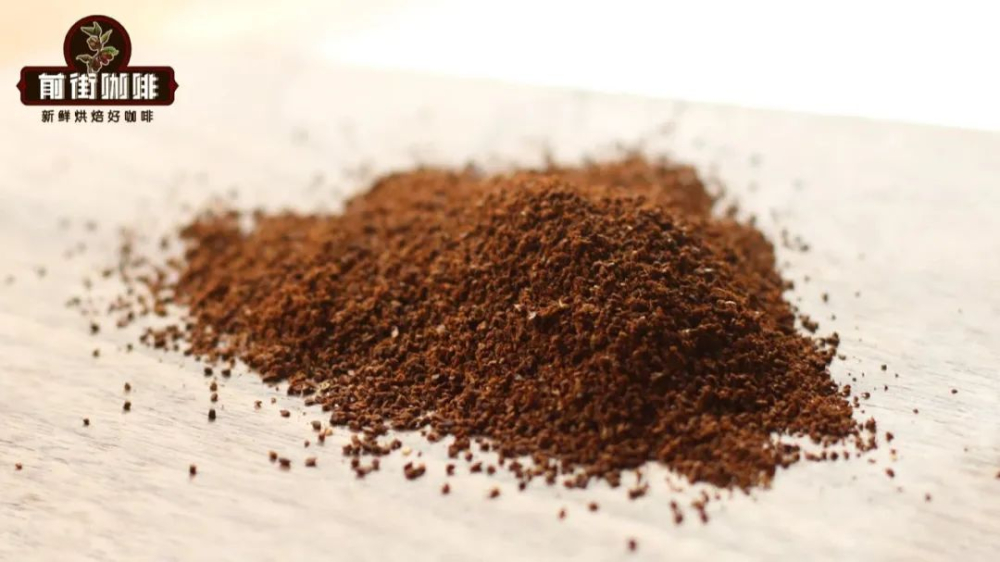
To avoid over-extracting dark roast beans, it’s recommended to adjust brewing parameters: keep the water temperature between 86–88°C, use a grind size similar to coarse sugar (approximately 70% passing through a standard 20-mesh sieve), and slow down the pouring speed, keeping movements as gentle as possible. This way, you can avoid smoky and burnt bitterness while preserving the unique richness and layering of dark roast beans, delivering a smoother and more satisfying drinking experience.
The above content is compiled by CoffeeHunters, a coffee news website.


