







Introduction:Although Venezuela is not among the world’s largest coffee-exporting nations, its diverse microclimates ranging from the foothills of the Andes to the northeastern highlands nurture classic varieties such as Typica and Bourbon, as well as a unique locally selected cultivar known as ‘Caripe’. This article takes you on an in-depth exploration of the altitude distribution, harvest seasons, and variety characteristics of Venezuela’s four major coffee regions, while also decoding the breeding background and flavor potential of Caripe — providing practical insights for coffee enthusiasts seeking niche specialty beans.
Among the many South American coffee-producing countries, Venezuela often remains relatively low-profile due to the dazzling performances of its neighbors, Colombia and Brazil. However, this nation — blessed with the Andes Mountains and tropical highlands — actually harbors considerable coffee potential that should not be overlooked. Stretching from the northwestern foothills to the northeastern coast, Venezuela’s coffee-growing zones span multiple geographical areas, primarily featuring traditional varieties such as Typica, Bourbon, Mundo Novo, and Caturra, along with the locally adapted cultivar ‘Caripe’ that has emerged in response to regional conditions. The following will guide you step by step through the distribution details, altitude adaptability, main harvest periods, and cultivation performance of Venezuela’s four major coffee regions, while also unveiling the breeding story and flavor characteristics of this special cultivar, Caripe.
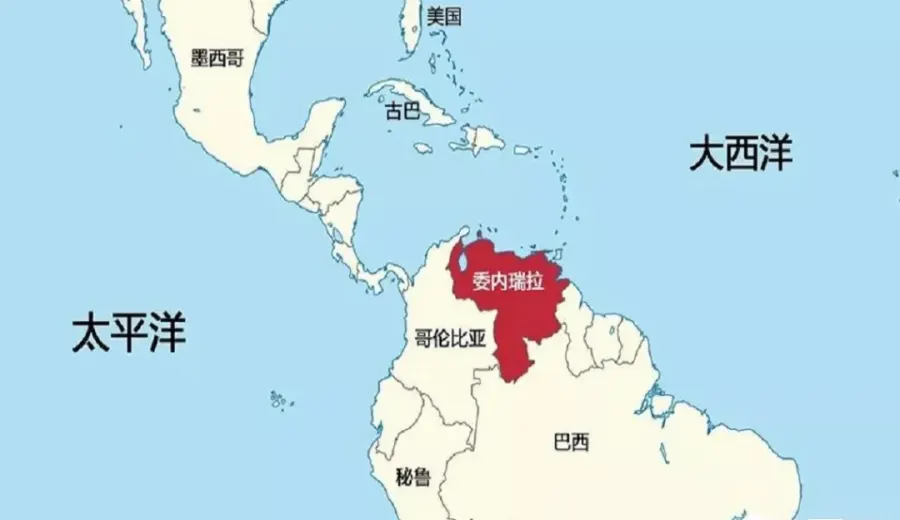
The Bolivarian Republic of Venezuela is located in the northern part of South America, sharing borders with Colombia to the west, Brazil to the south, Guyana to the east, and the Caribbean Sea to the north, covering a total area of 916,400 square kilometers. The country boasts abundant natural resources and diverse terrain. It can be divided into three major regions: the Andes Mountains in the northwest (including the country’s highest peak, Pico Bolívar), the vast Orinoco Plains in the central region (with grasslands in the western half and delta swamps in the eastern half), and the Guiana Highlands in the southeast (elevations between 500 and 800 meters, home to the spectacular Angel Falls). In terms of climate, apart from the relatively mild mountainous areas, the lowlands are generally hot, characterized by a tropical savanna climate with an annual average temperature ranging between 26 and 28°C. Rainfall increases from 500 mm along the northern coast to around 3000 mm in the south, with the rainy season concentrated between June and November, and the dry season from December to May of the following year. This climatic alternation provides the necessary balance of humidity and dry periods essential for the growth of coffee trees.
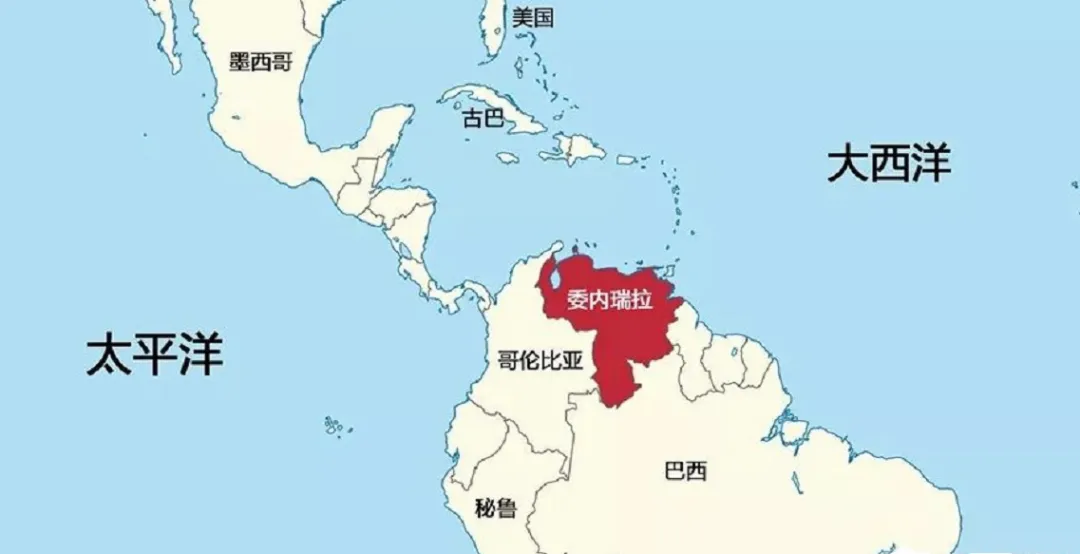
Coffee cultivation in Venezuela is mainly concentrated in four major geographical areas: the western, western-central, central-northern, and eastern regions. Each area, due to differences in altitude, microclimate, and soil conditions, produces coffee beans with distinct flavor profiles. Commonly cultivated varieties across the country include Typica, Bourbon, Mundo Novo, and Caturra, along with a locally selected cultivar called ‘Caripe’, originating from the northeastern region.
The western region includes states such as Táchira, Mérida, and Zulia. Coffee from these areas is usually exported under the name of the state rather than being clearly attributed to a single production region. Due to its proximity to Colombia, the flavors of its coffee are often compared to those of Colombian beans. The elevation in this region ranges between 1000 and 1200 meters, representing a typical high-altitude growing environment. The main harvest period is from September to March each year, and the planted varieties are predominantly Typica, Bourbon, Mundo Novo, and Caturra — suitable for consumers seeking balanced acidity and medium body.
The western-central region is regarded as the pinnacle of Venezuela’s coffee quality, encompassing the states of Portuguesa and Lara, and extending into Falcón and Yaracuy. The coffee produced here is known as ‘Maracaibos’ (named after the main export port, Maracaibo), and its flavor profile can rival that of top-grade Colombian beans. Similarly, it focuses on high-altitude cultivation (1000–1200 meters), with the same harvest season as the western region (September to March), and the main varieties are also Typica, Bourbon, Mundo Novo, and Caturra. For coffee lovers who prefer a rich mouthfeel and pronounced sweetness, the beans from this region are worth adding to the tasting list.
The central-northern region is relatively small in scale, with coffee sources scattered across states such as Aragua, Carabobo, Miranda, and Cojedes, as well as some federal territories. The cultivation altitude is also maintained within the high range of 1000–1200 meters, with the harvest period from September to March. The variety mix is similar to the two aforementioned regions (Typica, Bourbon, Mundo Novo, Caturra). Due to its limited production, this region sees fewer large-scale exports to international markets, but for buyers seeking niche bean sources, it presents an opportunity to uncover potential flavor profiles.
The eastern region is located in states such as Sucre, Monagas, Anzoátegui, and Bolívar, and is the birthplace of Venezuela’s unique cultivar, ‘Caripe’. Like the other regions, it shares the same altitude range (1000–1200 meters) and harvest period (September to March). In addition to the mainstream varieties of Typica, Bourbon, Mundo Novo, and Caturra, this area also grows the indigenous Caripe cultivar. Owing to its location on the northeastern coastal highlands, the microclimate here possesses distinctive regional features, laying the foundation for the unique flavor profile of Caripe.
When discussing Caripe, we must look back to its breeding history in 1958. At that time, Professor Gustavo Bonafina Parra of the Eastern University of Venezuela was leading Project No. 5 on coffee and breeding under the country’s Ministry of Agriculture and Breeding. During a routine visit to coffee-growing rural areas, farmers showed him several Typica plants that exhibited unusually high yields. Parra immediately initiated selection trials, and by 1958, he successfully developed the Caripe variety. This variety has since become an important regional specialty of Monagas State. Its tree structure is taller than that of traditional Typica, and its coffee beans are also larger in size, making it suitable for high-altitude (above 1000 meters) growing environments. Although its per-unit yield is not as high as that of mainstream varieties, its flavor profile is stable and carries unique regional characteristics. However, it is worth noting that its disease resistance is relatively weak, making it susceptible to leaf rust and nematode infestations. For consumers looking to try a Venezuelan local specialty bean, Caripe not only embodies the wisdom of local breeding efforts, but its flavor layers — such as the common citrus notes and nutty finish — also offer a distinctive tasting experience.
The above content is compiled by CoffeeHunters, a coffee news website.


