







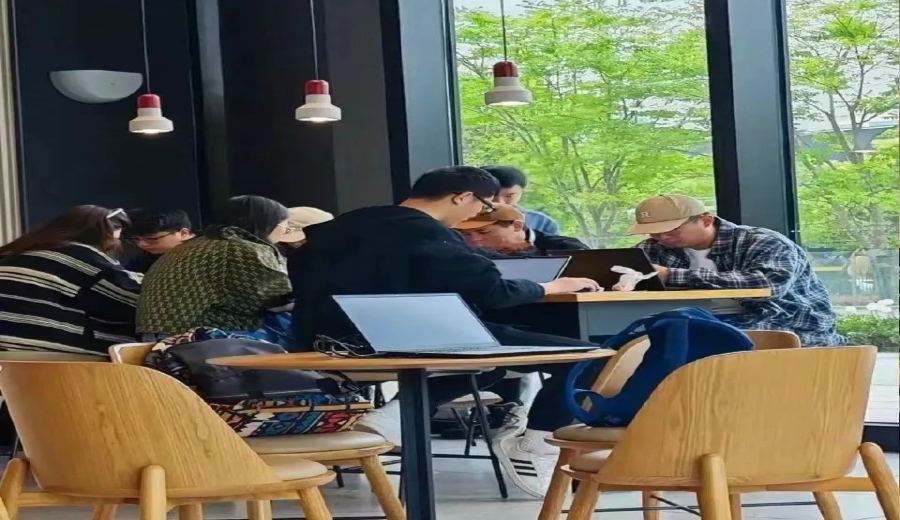
Introduction:Once renowned for its "third place" concept, Starbucks has in recent years faced dissatisfaction from members due to the occupation of seats by a large number of non-paying customers. Recently, it has been reported that some stores have implemented a "polite request to leave" policy for those who do not make a purchase while seated, sparking heated discussions about the brand’s positioning and business strategy. This article delves into the reasons behind this policy, various viewpoints, and offers practical suggestions for using café public spaces appropriately.
For a long time, Starbucks has built its brand around the concept of creating a "third place," aiming to provide a comfortable environment where customers can study, work, and socialize. However, as more people treat it as a free place to linger, the phenomenon of occupying seats without making purchases has become common. This not only affects the experience of paying members who actually intend to buy something but also puts pressure on the limited seating resources within the store.
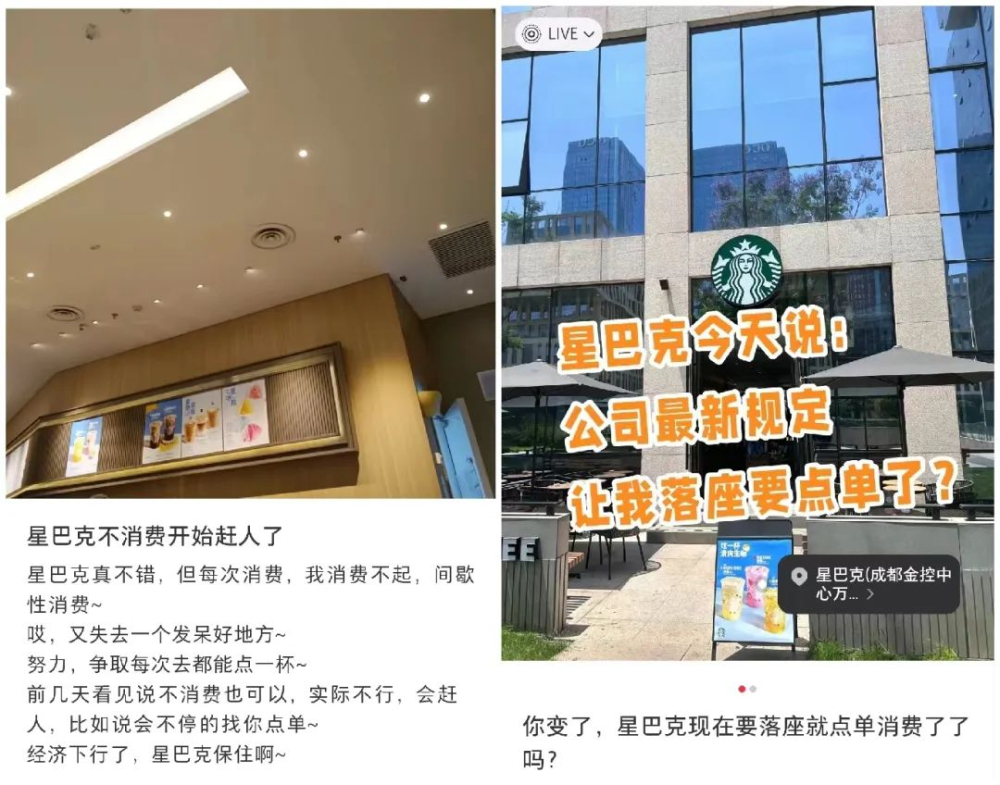
Lately, online posts have circulated claiming that some Starbucks branches have started enforcing a "polite removal" policy for customers who occupy seats without ordering. That is, staff may gently remind or ask customers to leave if they haven’t made a purchase. One netizen shared that he was repeatedly prompted to order by staff just because he wanted to take a short rest without buying anything, and eventually chose to leave.
Other customers have reported that some branches now explicitly require "order upon seating," with some even posting instances where they were asked to leave after being seen drinking competing brands like Luckin Coffee at Starbucks. While some of these cases may be isolated incidents, overall, they reflect the brand’s struggle between managing the "third place" experience and maintaining operational efficiency.
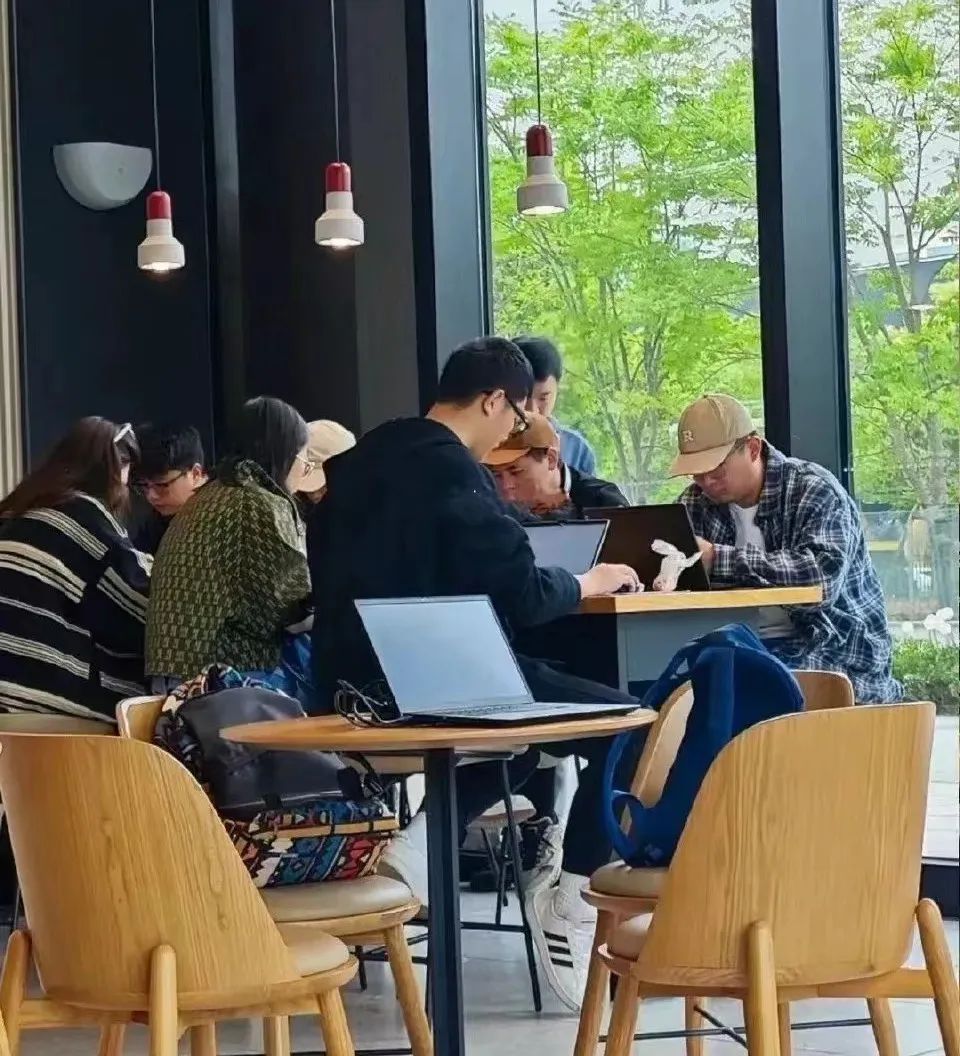
According to insiders at Starbucks, numerous branches across the country have already begun implementing a "polite order reminder" measure, requiring staff to proactively remind customers who have been seated for a long time without purchasing during their rounds. This change comes after previous policies lacked enforcement, resulting in many non-payers occupying seats, which discouraged other customers from sitting or ordering, and even led to uncivilized behavior such as playing audio out loud or one person taking up multiple seats.
Supporters of this new measure argue that as a commercial space, it’s reasonable for Starbucks to expect customers to make a purchase when seated. This helps improve seating utilization, reduces disruptions to regular customers, and enhances overall service quality and store revenue. Additionally, it can prevent the long-term misuse of seats for non-consumption purposes, such as studying, playing cards, or holding gatherings.
However, many customers and observers oppose this move. They believe that Starbucks has always marketed itself based on the "third place" concept, and asking customers to leave simply for not making a purchase might deter those who might otherwise have the potential to buy, ultimately affecting the brand image and long-term customer base. Others also worry that such measures could make the store atmosphere more commercialized, losing its original sense of warmth and openness.
In response to the public discussion, Starbucks’ official customer service stated that all stores welcome customers to sit down, regardless of whether they make a purchase. If a customer encounters inappropriate treatment—such as being asked to leave or frequently urged to order—they can provide feedback to the brand for resolution. Notably, the customer service also emphasized that there has been no official notice or policy update regarding a "polite removal" initiative.
For coffee enthusiasts, regardless of how the brand ultimately adjusts its policies, maintaining basic etiquette in public spaces like cafés is a responsibility every customer should uphold. For example, avoiding long-term seat occupancy without ordering, controlling noise levels to not disturb others, not using external speakers, and respecting in-store seating arrangements and the staff’s polite reminders are all essential aspects of fostering a pleasant consumption environment.
In summary, Starbucks’ recent adjustments to seat management have sparked controversy, but they also highlight the challenges the brand faces in balancing operational efficiency with customer service. Whether clearer policies will emerge in the future or more flexible management approaches will be adopted remains something to watch closely.
The above content is compiled by CoffeeHunters, a coffee news website.


