







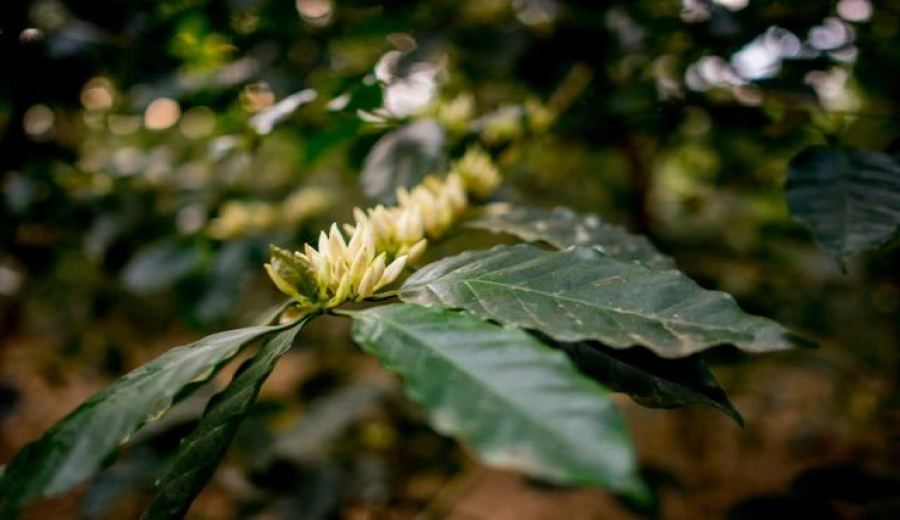
Introduction:Although Laos is not a mainstream coffee-producing country, its Bolaven Plateau, with its high altitude and superior soil and water conditions, cultivates coffee beans with great potential. This article delves into the development history of Laos' coffee industry, explores the advantages of its geographical environment, focuses on the Bolaven Plateau—which accounts for 95% of the country’s total production—and analyzes the distribution of Robusta and Arabica varieties. It also provides practical information on harvest seasons and flavor profiles to help coffee enthusiasts gain a more comprehensive understanding of this undervalued coffee-growing region.
In the Asian coffee landscape, Indonesia’s Mandheling and Vietnam’s massive output often dominate the conversation, but Laos, also located on the Indochinese Peninsula, rarely receives attention. In fact, this landlocked country boasts ideal conditions for coffee cultivation: high-altitude terrain, abundant annual rainfall of around 2,000 mm, and nutrient-rich volcanic soil. As early as the French colonial period, Laos began developing its coffee industry, and to this day, the Bolaven Plateau remains the heart of the nation’s coffee production.
The Lao People's Democratic Republic is situated in the northern part of the Indochinese Peninsula, bordering China, Cambodia, Vietnam, Myanmar, and Thailand, and is entirely landlocked. The country features predominantly mountainous and plateau landscapes, with the northern region extending from the Yunnan Plateau, the eastern part dominated by the Annamite Range, and the western area consisting of valleys and plains formed by the Mekong River and its tributaries. The climate is tropical and subtropical monsoon, with the rainy season lasting from May to October and the dry season from November to April of the following year. The average annual temperature is around 26°C, with approximately 2,000 mm of rainfall annually—conditions highly suitable for coffee cultivation.
Laos’ coffee cultivation history dates back to the early 20th century during the French colonial period, when the first coffee trees were planted in the highland regions of the south. The earliest introduced varieties were Typica and Bourbon, both Arabica types. However, due to war and disease issues, the focus gradually shifted to Robusta, which is more resistant to disease and offers higher yields. Currently, Robusta dominates the country’s coffee production, though about one-third of the planting area is still dedicated to Arabica, mainly in higher-altitude regions.
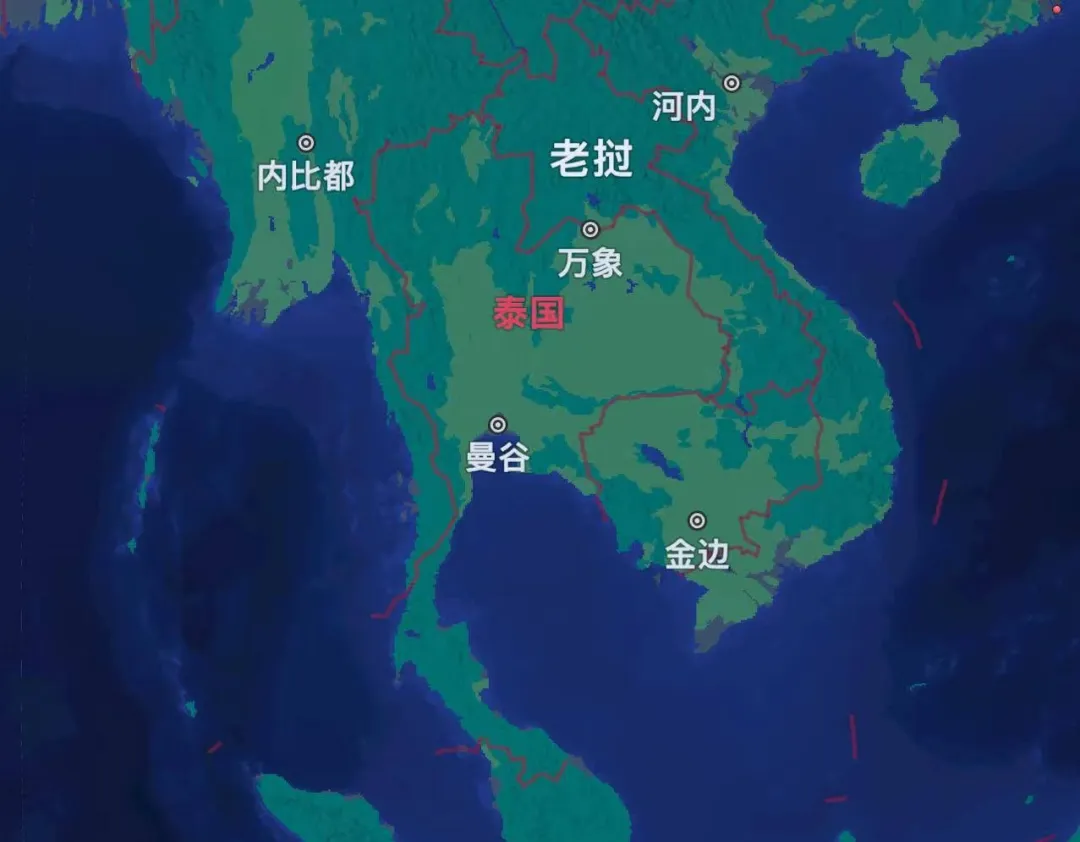
The Bolaven Plateau is Laos’ most important coffee-growing region. Its name originates from the Laven, the largest ethnic group in the area, meaning “the home of the Laven people.” The plateau lies between the Annamite Mountains, borders Vietnam to the east, and is close to the Mekong River to the west. Its overall elevation ranges between 1,000 and 1,350 meters, the ideal “golden height” for growing both Arabica and Robusta.
The plateau encompasses three main administrative regions: Paksong in Champasak Province, Thateng in Saravane Province, and Laongam in Sekong Province. These three areas are not only the longest-standing regions for coffee cultivation in Laos but also concentrate approximately 70,000 hectares of coffee plantations, contributing toover 95% of the country’s coffee output. The harvest season generally runs from November to March each year, and visiting the region during this time allows you to witness traditional harvesting and primary processing techniques firsthand.
In terms of variety, Robusta dominates Laos’ coffee production. This variety, known for its strong adaptability, disease resistance, and high yield, gradually became the mainstay after the war. However, some regions still persist in growing Arabica, particularly in microclimates at higher altitudes, where beans with more delicate flavors can be produced. Generally speaking, Laos’ Arabica coffee features moderate acidity and a smooth mouthfeel, while Robusta exhibits a bold body and distinct sweet-bitter notes, making it well-suited for espresso or milk-based beverages.
Currently, Laos’ coffee industry is still dominated by small family-run farms, with relatively few large-scale estates. Since most farmers use traditional farming and processing methods, there is room for improvement in post-harvest techniques and equipment. As a result, most coffee beans are sold domestically or exported to neighboring countries, with major buyers including Vietnam, Thailand, and China. If you’d like to try Laos coffee, look for products labeled “from the Bolaven Plateau” or those specifying particular villages and altitudes—these details often reflect the actual quality and flavor potential of the coffee.

The above content is compiled by CoffeeHunters, a coffee news website.


