







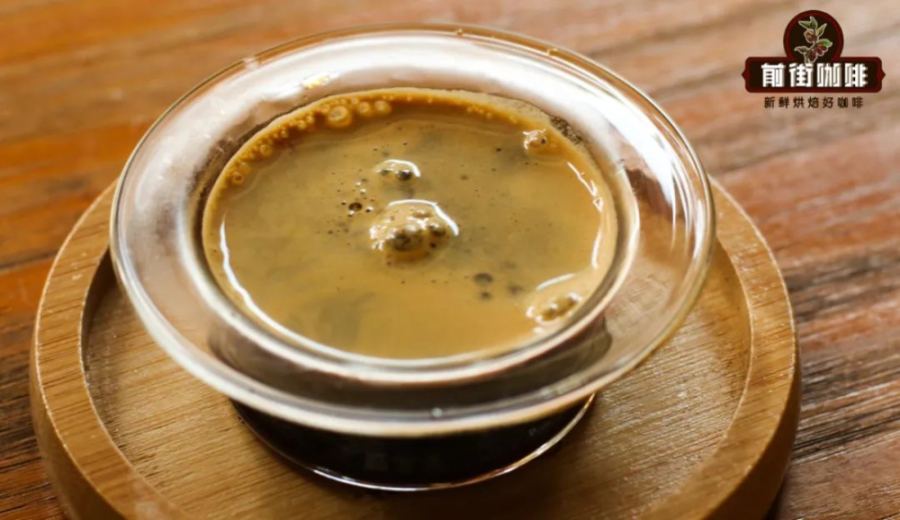
Introduction:Have you noticed that the crema from your espresso is thin, with large bubbles and bland flavor? These common issues often stem from improper grind size or poor coffee bean storage. This article will delve into the underlying causes of insufficient crema, coarse bubbles, and weak flavors, and provide practical grind adjustment methods and coffee bean storage tips to help you master the key elements of extraction. Brew your ideal espresso with a smooth, velvety texture and a rich, creamy crema.
During the process of extracting espresso, have you ever encountered a situation where the crema (the coffee's oily layer) is as thin as paper, covered with large bubbles on the surface, or even tastes weak and insipid? While these issues may seem simple on the surface, they are mostly closely related to one critical factor—grind size. When coffee is ground too coarse, it not only affects extraction efficiency but also alters flow rate, bubble formation, and ultimately the flavor profile.
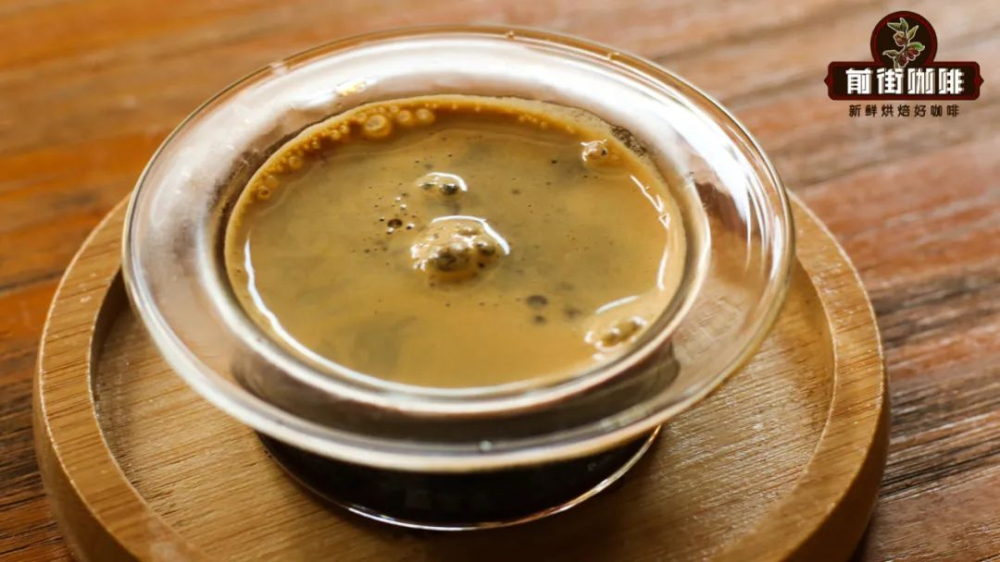
When the grind setting is too coarse, the gaps between coffee particles become larger, allowing hot water to pass through the coffee bed more quickly. This shortens the total extraction time. For example, if you aim to extract 40ml of espresso using 20g of coffee grounds, the standard time should be between 25 and 30 seconds. However, if the actual extraction only takes 20 seconds, it indicates that the water flow is too fast. Such a rapid flow rate not only prevents sufficient extraction of flavor compounds, but also draws air into the liquid due to the strong current, creating visible large bubbles in the cup. This ruins the delicate texture and overall mouthfeel of the crema.
In addition to grind size, the condition of the coffee beans themselves is also crucial. If the beans are not stored properly—for instance, if they are not tightly sealed—the carbon dioxide and volatile aromatic compounds within them can dissipate rapidly. These substances are not only essential for coffee aroma but also key components of crema. Without them, even with correct grind settings and parameters, the resulting espresso may still taste flat and unremarkable.
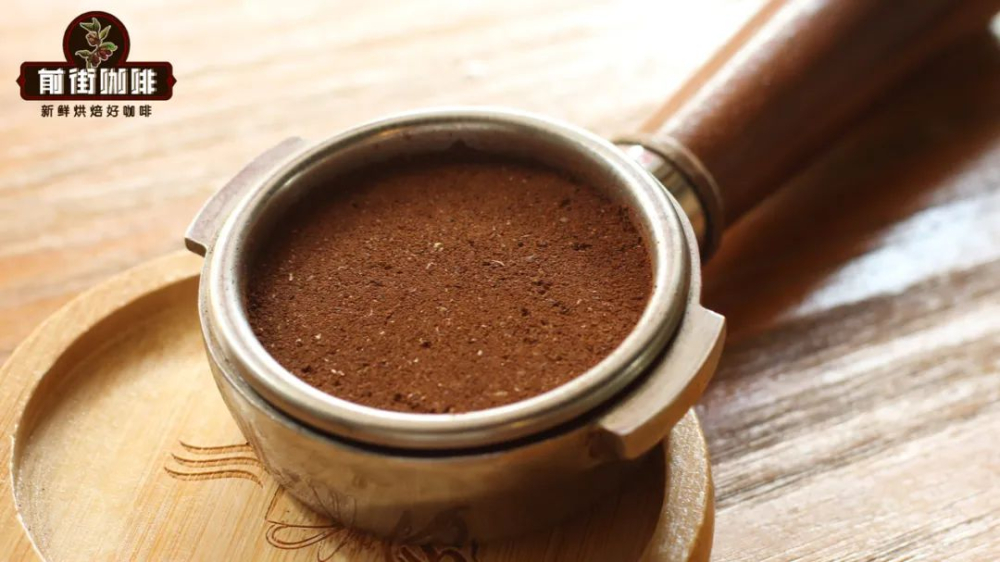
Furthermore, many coffee enthusiasts often overlook the importance of readjusting grind size when switching between different roast levels. Dark roasted beans, due to their longer roasting time, have lower density and a more brittle structure. When in contact with hot water, they release carbon dioxide more easily, which helps form a thick crema and can also regulate the flow rate to some extent. However, when switching from dark roast beans to medium or light roast beans, the latter have higher density and a tighter structure. If the grind size is not adjusted to be finer accordingly, it can lead to under-extraction. Moreover, the faster water flow may cause splashing, negatively impacting crema formation and flavor release.
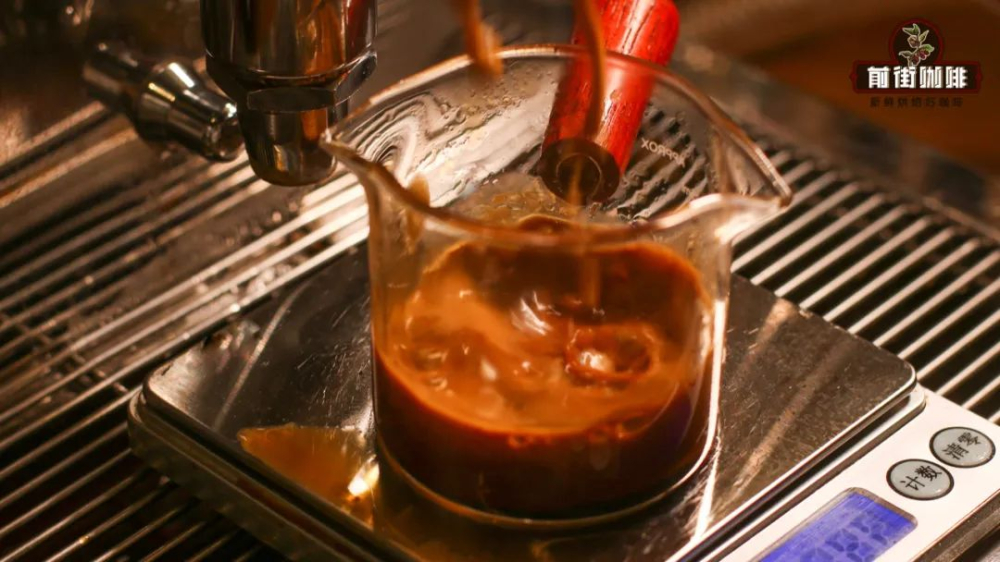
So, how can you adjust the grind size to improve these issues? A practical method is to make fine adjustments bymaintaining a fixed coffee-to-water ratio and target extraction time. For example, if you use 20g of coffee grounds and aim to extract 40ml of espresso, the recommended extraction time is 25–30 seconds. If the actual extraction finishes in just 20 seconds, it means the grind is too coarse, and you need to adjust the grinder to a finer setting. Taking the commonly used Galileo Q18 grinder as an example, each adjustment of one notch typically changes the extraction time by about 3 seconds. Therefore, you’ll need to adjust the setting approximately three notches finer. Then, fine-tune further based on the actual flow rate of the extracted coffee and the final flavor until you achieve the desired result.
Additionally, there are two commonly overlooked factors that may also cause grind settings to fail: one is the condition of the coffee beans before grinding, and the other is changes in the beans’ roast level.
If coffee beans are not properly sealed before grinding and are exposed to air for too long, carbon dioxide and aromatic compounds can dissipate rapidly. These substances are not only sources of coffee aroma but are also vital for maintaining a good extraction environment and crema structure. Improper storage can result in thin crema and bland-tasting espresso, even if the original grind settings are maintained. Therefore, it is recommended to seal the coffee beans after each use and store them in a cool, dry place away from direct sunlight and oxygen exposure to preserve optimal flavor.
As for changing roast levels—especially when switching from dark roast to medium or light roast—it’s important to recalibrate the grind size due to significant differences in density, brittleness, and carbon dioxide release among beans of varying roast levels. Dark roast beans, due to their characteristics, can still achieve stable extraction and crema performance even with a slightly coarser grind. However, medium and light roast beans require a finer grind to extend the contact time between water and coffee, facilitating the release of flavor compounds. Without readjustment, not only will extraction efficiency be affected, but the coffee’s flavor balance may also be disrupted, significantly compromising both crema and overall taste.
The above content is compiled by CoffeeHunters, a coffee news website.


