







Introduction:Recently, China-Guatemala trade relations have faced challenges due to political factors, with reports suggesting that imports of multiple products — including coffee — may be restricted. This article details the background of the incident, trade data between both sides, and analyzes how potential import restrictions could affect Guatemala’s coffee industry and domestic roasters. It also introduces the market positioning and current status of the country’s coffee-producing regions.
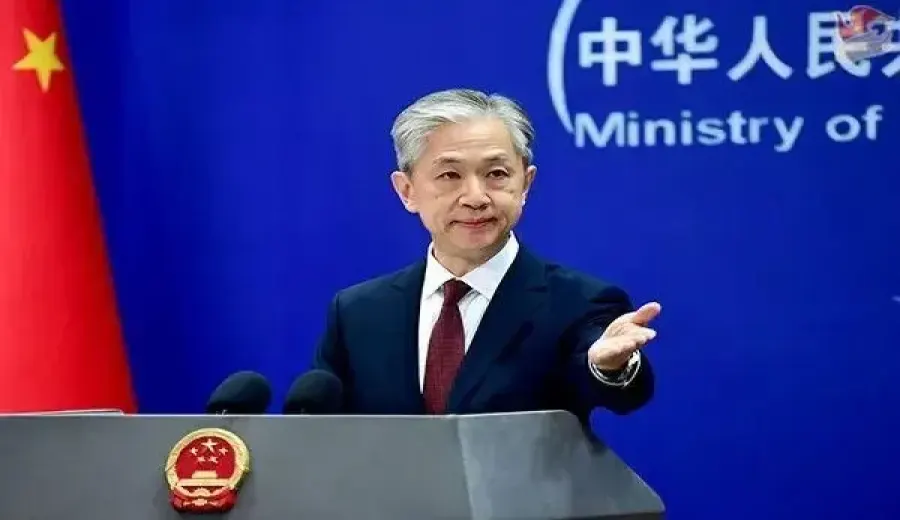
According to information from the Guatemalan Exporters Association, China is suspected to have temporarily suspended imports of the country’s coffee and macadamia nuts. In response, Chinese Foreign Ministry spokesperson Wang Wenbin neither confirmed nor denied the news during a routine press conference. In reality, the issue is tied to high-level interactions between Guatemala and Taiwan, including a video meeting between the Guatemalan president and Taiwan’s leader, as well as the Guatemalan foreign minister attending an event in Taiwan — actions that China views as a serious violation of the “One China” principle, thereby impacting bilateral economic and trade relations.
Although China and Guatemala currently do not have formal diplomatic relations, trade between the two continues. Statistics show that the total trade volume between the two countries exceeds $5.6 billion. China mainly exports petrochemical products, textiles, machinery, and metal products, while its main imports from Guatemala include fruits, sugar, coffee beans, metals, and timber. Among these, coffee is one of the important agricultural products.In 2022, China became Guatemala’s eighth-largest export market for coffee for the first time..
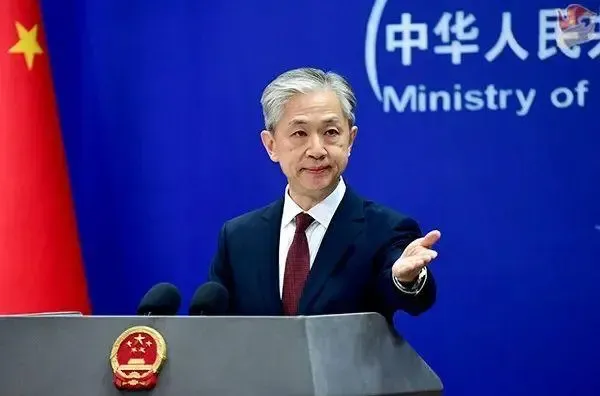
In a further response, Wang Wenbin stated, “There is only one China in the world, the government of the People’s Republic of China is the sole legal government representing the whole of China, and Taiwan is an inalienable part of China’s territory.” He emphasized that the One China principle is a widely accepted norm in international relations and a fundamental prerequisite for cooperation between China and other countries. Although he did not explicitly confirm whether a coffee import ban had been implemented, this response has raised concerns about the future of trade between the two nations.
Guatemala’s coffee industry holds significant importance for the country’s economy, with coffee-related exports accounting for approximately8%of its total agricultural-industrial exports, making it a vital source of foreign exchange. However, coffee export volumes in recent years have declined. While the United States remains its largest importer — importing nearly 1.2 million bags in the 2022/23 fiscal year — the quantity has decreased compared to the previous fiscal year17%. Other major importing countries have also reduced their procurement due to global economic and geopolitical factors.
In terms of exports to China, Guatemala only officially began exporting coffee beans to the Chinese market on January 1, 2022. According to data from the Guatemalan National Coffee Association (Anacafé), China imported 98,605 bags (calculated at 60 kg per bag) of coffee beans in the 2021/22 season, which dropped to 60,317 bags in the 2022/23 season, indicating fluctuation in market demand.
Currently, many coffee traders and roasters in China import Guatemalan coffee beans. Although most do not use them as primary blends, existing inventory can still support short-term needs. However, if China and Guatemala fail to reach a consensus on the dispute within the next 4 to 6 months, imports may be substantially affected. For roasters who rely on specific regional flavor profiles in their blends, this will directly impact product stability and supply chain arrangements.
It is worth noting that Guatemalan coffee farmers are currently facing numerous challenges, including persistently high fertilizer costs, labor shortages, and the need for further improvement in coffee processing infrastructure. If the Chinese market continues to shrink, it will not only impact their foreign exchange earnings but may also hinder the sustainable development of the overall coffee industry. Industry insiders advise closely monitoring regional developments and adjusting inventory and procurement strategies as needed — key measures in responding to international trade uncertainties.
The above content is compiled by CoffeeHunters, a coffee news website.


