








Introduction:Dark roasted coffee beans are renowned for their bold, rich flavors and deep bitter notes. But how can you fully unlock their unique charm through pour over techniques? This article delves into three classic Japanese brewing methods tailored specifically for dark roast beans — the Hario Kono Drip, the Matsuya Method, and the Volcano Brew — analyzing their operational logic, parameter settings, and flavor profiles. Step by step, it will guide you to master the essentials of extracting deep roast characteristics. Whether you're a beginner or a seasoned coffee enthusiast, you’ll find practical insights here.
The flavor profile of dark roasted coffee is defined by its body, low acidity, and intense notes reminiscent of caramel and chocolate. At the same time, due to its dense structure and high gas release, it demands more precise brewing techniques. Within the Japanese pour over tradition, several brewing methods have been developed specifically for dark roast beans, among which the most representative are the Hario Kono Drip, the Matsuya Method, and the Volcano Brew. Though these techniques differ significantly in execution, they all focus on stable extraction and balanced flavor — making them especially suitable for coffee lovers who prefer a heavier mouthfeel.
Hario Kono Drip: Extending Degassing for Stable Extraction
Developed in 1973 by the Kono family of the renowned Japanese coffee equipment brand "Kono," the Hario Kono Drip was created to enhance the rich expression of dark roasted coffee. The team has long been dedicated to optimizing the full-bodied nature of dark roasts and even designed the Kono filter cone. Drawing inspiration from the extraction properties of flannel filters, they further developed this unique dripping technique. The most distinctive feature of the Kono Drip is its initial pouring method: instead of using a strong flow of water directly, hot water is allowed to drip slowly in fine droplets, thereby extending the coffee grounds’ blooming phase.
This design effectively promotes the release of large amounts of carbon dioxide from dark roast beans, laying a solid foundation for efficient extraction later on. When the filter paper is fully saturated, or when you observe the dripping speed transitioning from droplets to a continuous stream, it indicates that blooming is complete. At this point, you can switch to a stronger flow rate for subsequent extraction, bringing out a rich and well-balanced flavor profile.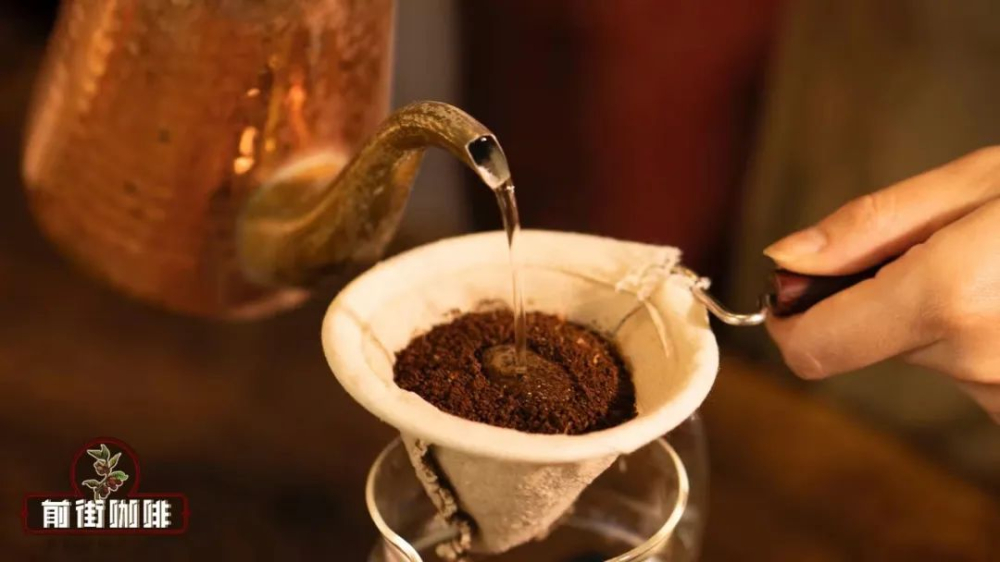
Matsuya Method: Ultra-High Coffee-to-Water Ratio and High-Temperature Blooming
The Matsuya Method is somewhat of an outlier in the world of Japanese pour over. Its defining features include an unusually long blooming period, pouring water from a great height to control temperature, and finally achieving a highly concentrated coffee liquid through bypass dilution. This method starts with an extremely high coffee-to-water ratio, meaning that even with a relatively small amount of hot water, it can extract a sufficiently rich array of flavor compounds.
The extended blooming stage helps coffee beans of varying freshness reach a similar extraction state. Pouring water from a height may seem casual, but it actually stabilizes the water temperature — thanks to heat loss caused by the height — bringing it closer to the ideal extraction range, even without a thermometer. Finally, by initially brewing a thick coffee concentrate at a high coffee-to-water ratio and then diluting it with hot water to taste, the method allows flexible adjustment for optimal flavor. This adaptable approach not only improves extraction efficiency but also gives the drinker greater control over flavor customization.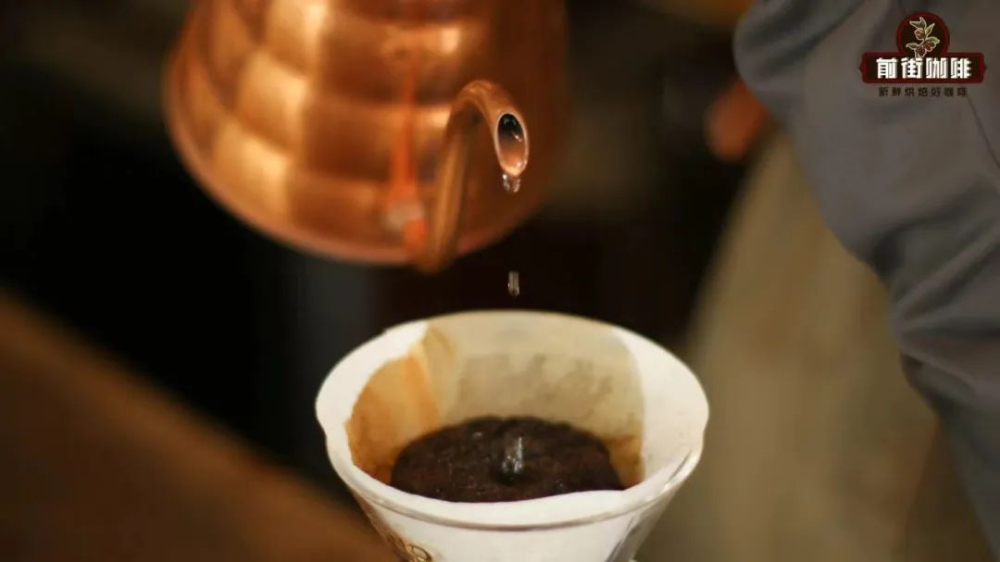
Volcano Brew: Staged Pouring and Visual Eruption
The Volcano Brew is one of the most visually striking methods for brewing dark roast beans. Its name comes from the dynamic visual effect during brewing, where the coffee bed continuously expands and contracts, resembling the eruption of a volcano. This technique also emphasizes an initial blooming phase to facilitate degassing, followed by a series of small, circular staged pours.
During the actual extraction, the brewer divides the hot water into several portions, pouring each in small amounts in slow, tight circles at the center of the filter cone. Each pour is spaced about five seconds apart, allowing the coffee bed ample time to absorb water and release gases. This process causes the coffee bed to repeatedly rise and sink, creating a cyclical motion akin to volcanic activity. Since this method also uses a relatively high coffee-to-water ratio, the resulting coffee liquid is quite concentrated. It’s recommended to adjust to your preferred taste balance by adding an appropriate amount of hot water via bypass dilution.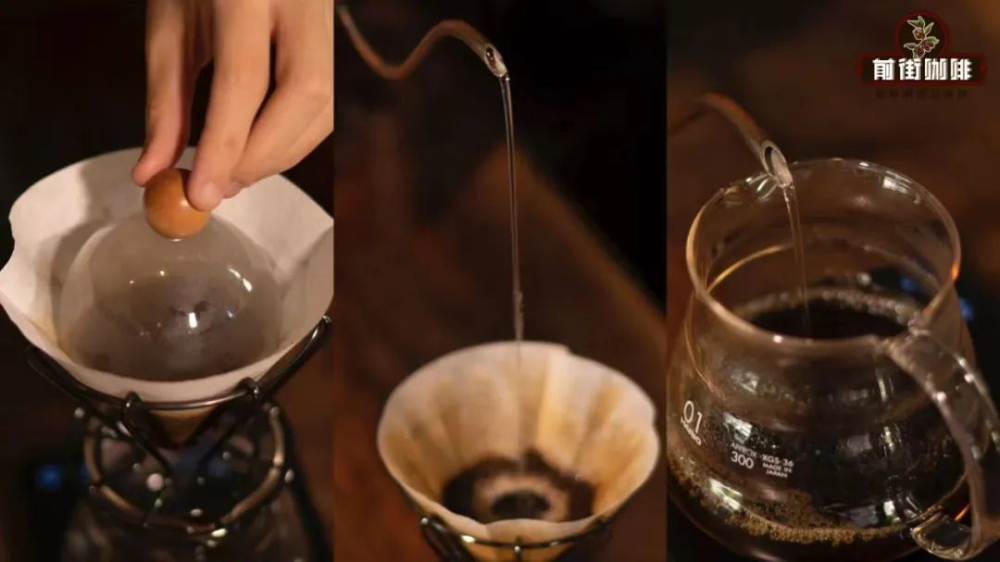
Overall, the Hario Kono Drip, the Matsuya Method, and the Volcano Brew are all brewing techniques tailor-made for the characteristics of dark roast coffee. Whether by extending blooming to optimize degassing, adjusting flavor through a highly concentrated base, or creating a stable extraction environment with staged pouring, these methods showcase the Japanese pour over philosophy’s pursuit of detail and flavor finesse. If you enjoy dark roast coffee with a rich, layered mouthfeel, why not try these techniques yourself? They might just bring a whole new dimension to your daily brewing experience.
The above content is compiled by CoffeeHunters, a coffee news website.


