







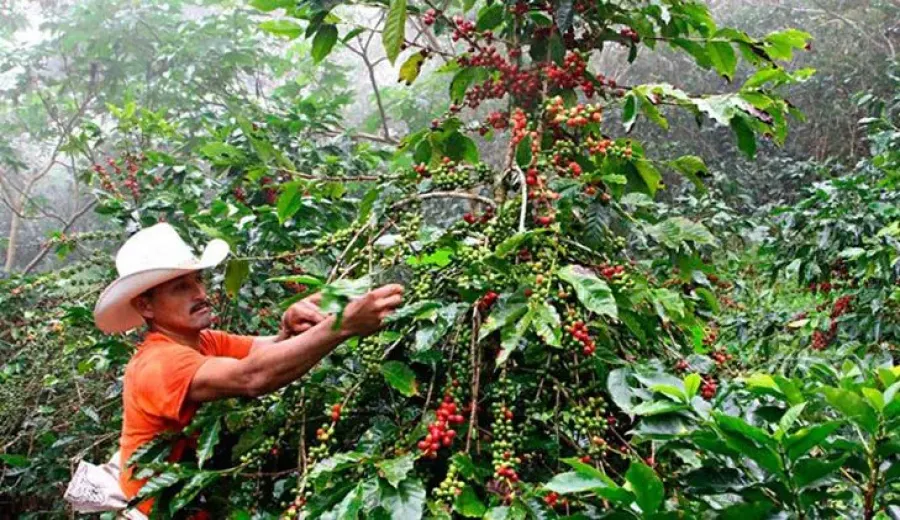
Introduction:As the largest washed Arabica coffee-producing region in Central America, Honduras is facing unprecedented challenges. The 2023/24 season is projected to see a sharp decline of 24% in production, with exports also shrinking significantly. What are the key factors behind this crisis? How have coffee leaf rust outbreaks, extreme drought, and labor shortages affected both coffee bean quality and market supply? This article takes you deep into the industry’s struggles, as well as the response strategies from the government and industry players.
According to the latest agricultural observation data, Honduras — a major washed Arabica coffee producer and exporter in Central America — is undergoing a severe test this 2023/24 season. Experts estimate that the country’s total coffee output for this season will be only about 5.5 million bags (calculated at 60 kilograms per bag), a 24% drop compared to the 2022/23 season. At the same time, exports are expected to fall from last year’s 6.2 million bags to 5 million bags, a decrease of 19%. This sharp decline in production is primarily due to a combination of extreme high-temperature and drought conditions, widespread outbreaks of coffee leaf rust, and a continuously worsening labor shortage.
Currently, the Honduran government has swiftly implemented multiple relief measures, including introducing tax reductions on coffee sales and actively engaging in free trade agreement negotiations with emerging markets such as China, aiming to reduce production costs and expand export channels to help local coffee farmers weather the crisis. Next, we will provide a comprehensive analysis of this major crisis affecting the global specialty coffee supply chain, from aspects such as abnormal weather, disease spread, export changes, and policy responses.
Since the start of the 2023/24 season, Honduras has experienced abnormal climate conditions nationwide. Affected by a strong El Niño phenomenon, the country has endured its hottest and driest summer since 1992, with temperatures in many areas soaring to 38 to 40 degrees Celsius. The persistent high temperatures and lack of rainfall have not only triggered widespread wildfires but have also directly impacted the health and productivity of coffee trees. Statistics show that over 150,000 hectares of forest area across the country have been affected by fires this year, and the large amounts of smoke and harmful gases released by the fires have further worsened environmental and crop growing conditions.
Notably, due to the continued deterioration of air pollution indicators, the capital region — Distrito Central — declared a red alert for air quality in early May, while 7 out of the other 18 provinces also activated their highest level of alert. Two additional provinces are under yellow alert, with the rest remaining at the green level. Such severe weather and environmental conditions have set the stage for the decline in coffee production this season.
Meanwhile, another major threat — coffee leaf rust — is also spreading on a large scale. This fungal plant disease can severely damage coffee leaves, hinder photosynthesis, weaken the tree’s vigor, and ultimately affect the development and yield of coffee cherries. Generally, a leaf rust infection rate below 5% is considered manageable; however, once it exceeds the 5% to 20% range, immediate control measures must be taken. However, the average infection rate in most producing regions of Honduras this season has reached5.8%, clearly surpassing the warning threshold.
Among these, the incidence rate in La Paz Department has reached as high as9.7%, followed by Francisco Morazán Department at8.2%, and other major producing regions such as Comayagua, Copán, Cortés, Santa Bárbara, El Paraíso, and Olancho, all with infection rates exceeding 5%. This disease spread trend is also reflected in the regional distribution shown in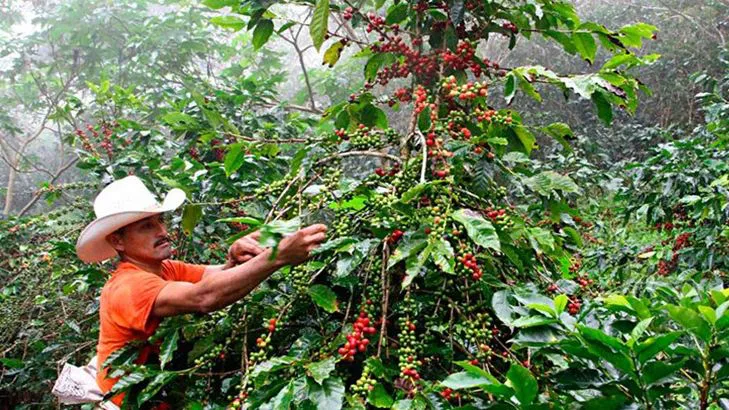 .
It is worth noting that since it is still the dry season (around May), opportunities for disease transmission via wind and rain are relatively limited. However, entering June, Honduras will welcome its traditional rainy season, and the expected increase in rainfall will make it easier for rust spores to spread with the wind. At that time, the infection rate may rise further, posing an ongoing threat to the upcoming new season and impacting overall yield per plant and bean quality.
The sharp decline in production is also directly reflected in export performance. According to statistics from the Honduran Coffee Institute (IHCAFE), from January to early May 2024, the country’s total coffee exports amounted to 2.88 million bags, about 8% less than the same period last year. In addition, according to observations by border management authorities, approximately 300,000 bags of coffee beans have flowed informally to neighboring countries such as El Salvador, Nicaragua, and Guatemala, indicating market flows not captured in the official statistics.
To alleviate industry pressures, the Honduran government has launched a series of relief policies. First, through an executive order, it announced a complete exemption of the 12% tax on coffee sales, aiming to reduce production costs and boost overall returns. Additionally, the country’s central bank continues to adjust monetary, credit, and foreign exchange policies to stabilize the market environment and ensure that coffee farmers’ real income is not adversely affected by drastic exchange rate fluctuations.
In terms of international market expansion, Honduras has recently made progress in free trade agreement negotiations with China. During the fifth round of talks held in the capital, Tegucigalpa, both sides engaged in in-depth discussions on core issues such as goods trade, services, and investment rules, achieving positive outcomes. If the agreement is successfully signed in the future, it will help enhance the visibility and sales channels of Honduran coffee in the Chinese market, bringing new export opportunities to the producing regions and further stabilizing the industry outlook.
The above content is compiled by CoffeeHunters, a coffee news website.


