








Introduction:Even seasoned baristas can encounter unexpected mishaps during the hustle and bustle of behind-the-bar work. This article delves into common on-the-job blunders faced by baristas in their daily routines—from ground coffee loss, espresso machine malfunctions, to equipment operation errors—analyzing the root causes and offering practical solutions. Whether you’re a beginner or a veteran, you can learn from these experiences how to prevent problems and maintain professional composure when things go wrong.
Even professional baristas with years of experience behind the counter can occasionally face sudden, startling mishaps that turn an otherwise neat workstation into complete chaos. These real-life scenarios—ranging from mysteriously disappearing ground coffee, espresso machines suddenly gushing out uncontrollably, coffee beans spilling out from the bean hopper, to trash bags that tear apart with the slightest tug—highlight the growing pains even seasoned baristas go through.

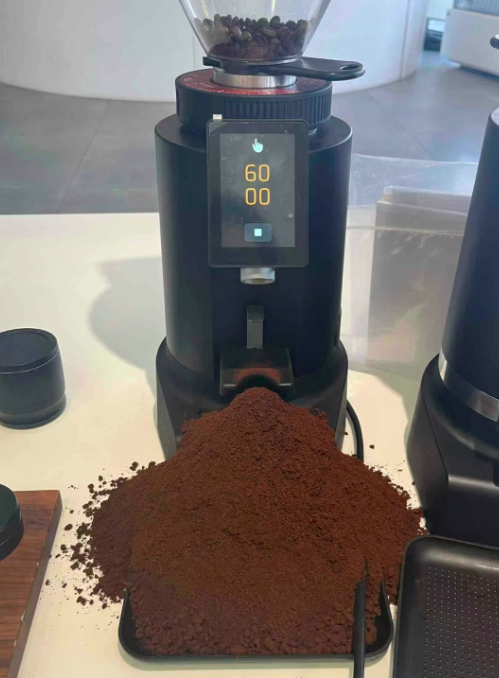
When a barista finishes dosing, tapping the portafilter, locking it in, and is ready to extract, nothing is more confusing than discovering the freshly ground coffee has vanished without a trace. This often happens during busy periods, possibly due to the dosing chamber not being properly installed or cleaned, causing the grounds to scatter. It’s recommended to gently shake the dosing chamber after each change to ensure it’s seated correctly, and to regularly check its seal.
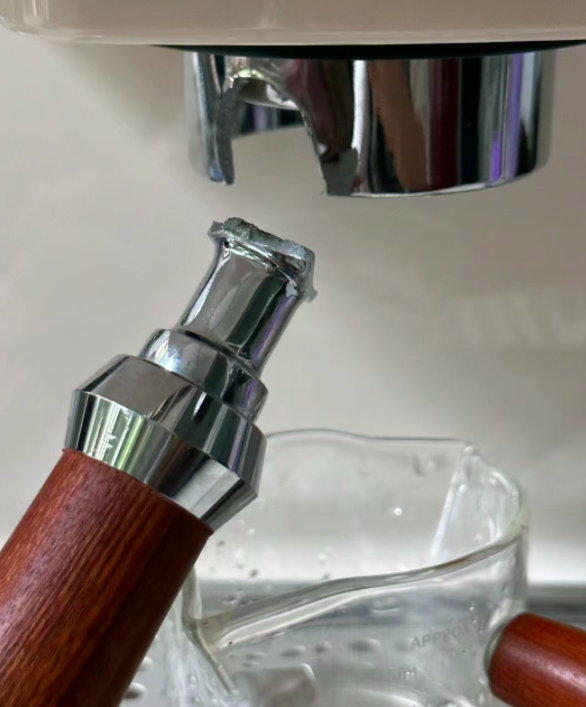
Another common issue is coffee beans spontaneously flowing out of the bean hopper, usually because the hopper isn’t properly closed or the anti-drip mechanism has failed. When a large amount of beans suddenly pours out, it not only wastes ingredients but can also clog machine components. The correct approach is to make sure the hopper is fully locked after adding beans, and to regularly inspect the condition of the anti-drip rubber ring.
When an espresso machine suddenly gushes out liquid, colloquially known as “espresso machine motion sickness,” it may be due to a faulty pressure valve or a clogged brew head. In such cases, the first step is to immediately turn off the machine and cut off the water supply, then check if the brew head filter is blocked, and use a specialized cleaning needle to clear it if necessary. Regular machine maintenance is key to preventing such issues.
A trash bag suddenly breaking might seem like a minor issue, but it can lead to hygiene risks and ingredient contamination. Choosing high-strength trash bags suitable for bar use, and using the “sandwich method” to layer heavier items when filling, can effectively prevent such accidents.
Accidental loss of control due to improper assembly of a shaker bottle typically occurs during fast-paced operations. The correct assembly steps are to first ensure the filter is positioned correctly, then tighten the lid diagonally, and finally test the seal by gently shaking it. When shaking, keep your wrist steady and use small circular motions rather than vigorous shaking.
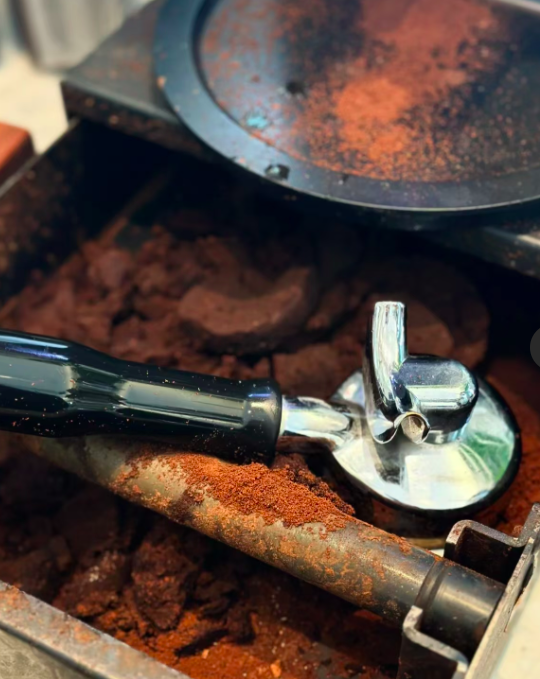
These seemingly embarrassing mishaps are actually essential learning experiences in every barista’s career. With accumulated experience, professional baristas can stay calm in the face of unexpected situations, quickly identify the root of the problem, take effective measures, and keep their inner tension hidden behind a composed professional demeanor. Observing how experienced baristas handle emergencies is the best way for newcomers to master response techniques.
The above content is compiled by CoffeeHunters, a coffee news website.


