







Introduction:Delve into the three major specialty coffee regions of the Democratic Republic of the Congo (DRC): South Kivu, North Kivu, and Ituri. Explore their altitudes, primary coffee varieties, and unique flavor potentials. This article not only introduces the distribution ratio of Robusta and Arabica, but also takes you through the local climate conditions and geographical environment to help you gain a more comprehensive understanding of the diversity and potential of African coffee.
Africa plays a key role in the global coffee supply chain. Among its nations, the Democratic Republic of the Congo (commonly referred to as DRC) is known as the birthplace of the Robusta variety, yet its Arabica cultivation potential is gradually gaining attention. As a country in Central Africa, the DRC boasts diverse geography, and its coffee-growing regions hold considerable promise for specialty coffee. This article will focus on three major specialty coffee regions in eastern DRC—South Kivu, North Kivu, and Ituri—covering aspects such as geography, climate, growing altitudes, and main varieties, helping readers build a more complete understanding of these origins.
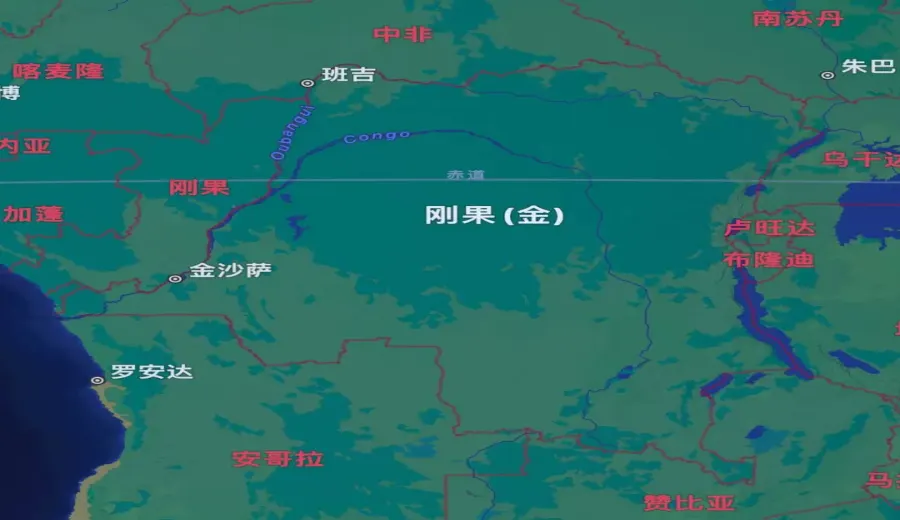
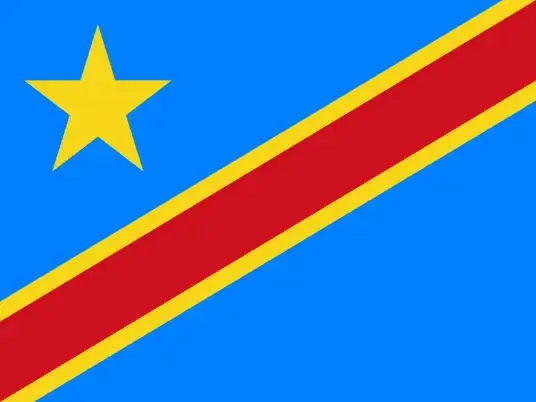
The full name of the DRC is the Democratic Republic of the Congo, which is the largest country in Central Africa, covering a total area of 2,344,885 square kilometers and bordering nine countries. Its geographical conditions are extremely complex and diverse. The country features tropical rainforests, plateaus, volcanoes, and abundant water systems, providing a varied environment for crop growth. The light blue new national flag, adopted in 2006, symbolizes peace and hope, reflecting the country’s aspirations for the future.
The terrain of the DRC can be roughly divided into the central Congo Basin, the Eastern Rift Valley, the northern plateau, the western plateau, and the southern Katanga Plateau. Among these, the southern and eastern highlands, with their moderate elevation and rainfall, have become the main areas for coffee cultivation. The equator runs through the northern part of the DRC, resulting in distinct seasonal differences between the north and south, while the central and eastern regions enjoy relatively cool climates, particularly suitable for growing high-quality coffee.
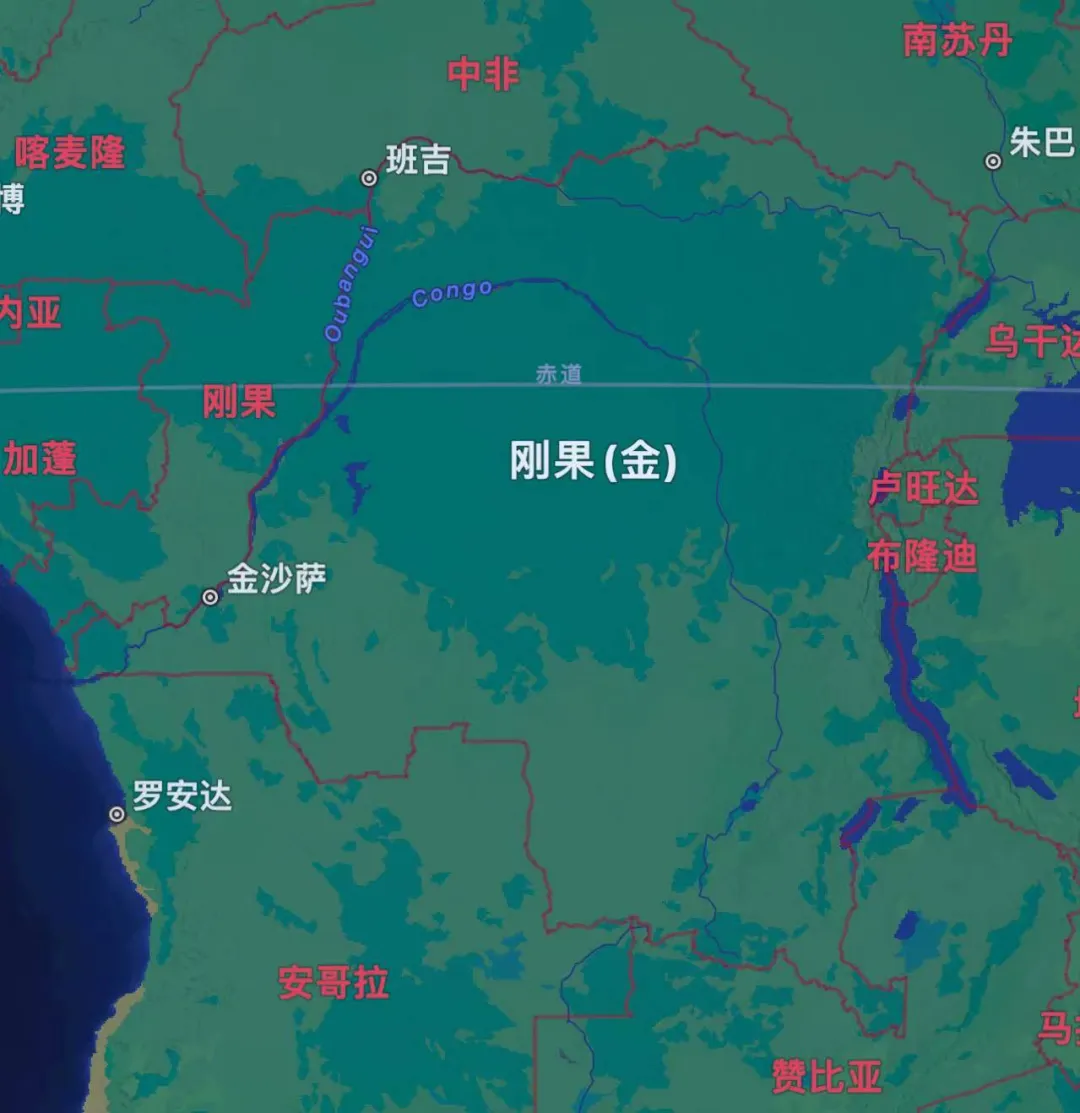
Coffee cultivation in the DRC is concentrated in the eastern and northeastern parts, especially in the Kivu region and surrounding provinces. The coffee varieties grown in the country mainly include Robusta and Arabica, with Robusta accounting for about 80% of the nation’s total production. However, the export market is still dominated by Arabica. Common Arabica varieties include Bourbon and Typica, which, under appropriate altitudes and processing methods, can exhibit delicate acidity and rich aromas.
One of the core specialty coffee-producing regions is South Kivu, which, together with North Kivu, surrounds Lake Kivu. This area enjoys superior geographical conditions, with growing altitudes generally ranging from 1460 to 2000 meters, and the main variety being Bourbon. This altitude range and stable microclimate help coffee cherries ripen slowly, accumulating more flavor compounds. Coffees from this region often feature bright acidity and red fruit notes, making them ideal for coffee lovers who enjoy fruity and layered profiles.
North Kivu is one of the most productive coffee regions in the DRC, encompassing several sub-regions with great potential. The altitude range here is even broader, varying from 1200 to 2200 meters, thus accommodating both Arabica and Robusta cultivation. At higher altitudes, Arabica varieties often demonstrate greater complexity and sweetness, while some lower-altitude Robusta beans also possess rich and bold characteristics, commonly used in espresso blends or as a base for instant coffee.
Ituri is located in the northeastern part of the DRC, bordering Uganda and close to Africa’s renowned Lake Albert. The topography of this region is dominated by mountains and deep valleys, with fertile clay-sandy mixed soils that are highly suitable for coffee cultivation. Coffee is grown at altitudes between 1600 and 1900 meters, where the cool and stable climate aids in flavor concentration within the coffee cherries. Coffees from Ituri often carry unique spice and nutty undertones, with a distinctive flavor profile, making it an unmissable choice for exploring lesser-known African coffee regions.
Overall, although the coffee regions of the DRC currently do not enjoy the same international recognition as Ethiopia or Kenya, their geographical and climatic conditions endow the coffee with great potential. Especially in the three regions of South Kivu, North Kivu, and Ituri, with the right processing techniques and variety selection, they are capable of producing specialty coffees that balance complexity with unique regional character. For coffee enthusiasts looking to broaden their African coffee experience, gaining a deeper understanding of these regions will help them more fully appreciate the diverse flavors of DRC coffee.
The above content is compiled by CoffeeHunters, a coffee news website.


