







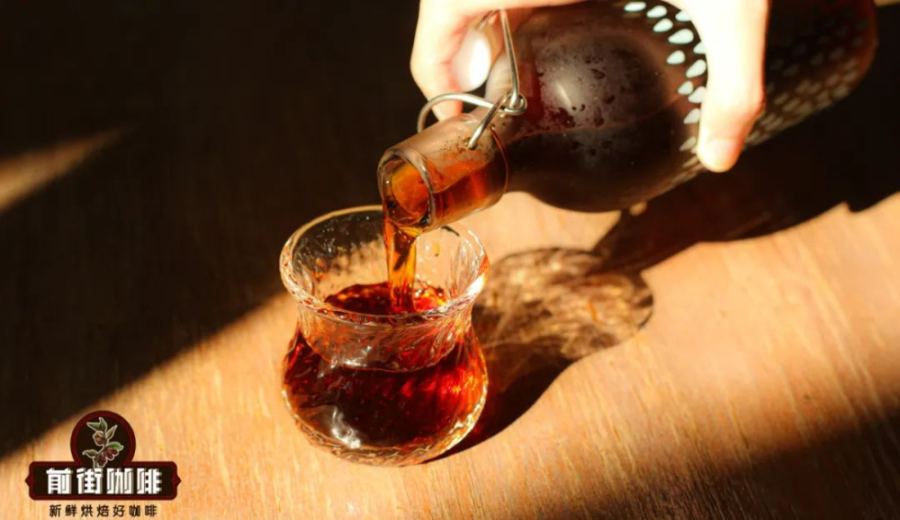
Introduction:Many people attempting to make cold brew coffee at home often find that, even when using a relatively high coffee-to-water ratio, the resulting brew still tastes overly weak or thin. Interestingly, this issue isn’t necessarily related to the equipment used — it’s more likely a problem with the brewing method. This article delves into the reasons why cold brew may lack sufficient extraction, and introduces a simple yet effective solution: using a non-woven tea filter bag to hold the coffee grounds. This method not only improves extraction efficiency but also prevents uneven extraction caused by fine coffee particles settling at the bottom. Additionally, we conducted practical tests using both light and dark roasted beans to help you achieve more ideal cold brew extraction parameters.
Many coffee enthusiasts who try making cold brew at home often encounter a frustrating issue: despite using a decently high coffee-to-water ratio, the final brew ends up tasting watery and bland. Some may immediately suspect it’s due to not using specialized cold brew equipment, and might even consider investing in expensive cold brew bottles. However, once you understand the principles of extraction more deeply, you’ll realize that the problem is more likely related to how the coffee grounds interact with the water — not the equipment itself.
This article will help you tackle the issue of weak-tasting cold brew at its root, and share a simple, practical tip: using a non-woven tea filter bag to steep your coffee grounds. This approach doesn’t require buying any special equipment and can significantly enhance both extraction strength and overall flavor. Moreover, through comparative experiments with both light and dark roasted beans, we’ve verified the actual effectiveness of this method and provided specific operation tips and precautions.
First, let’s clarify a common misconception: weak cold brew flavor is usually not just a matter of grind size. It’s widely known that the finer the coffee is ground, the greater the surface area exposed to water, which in theory should extract more flavor compounds. However, this logic doesn’t entirely apply in the case of cold brew.
Cold brew is an extraction method that involves long periods of static steeping. In such a scenario, if the coffee is ground too finely, it might initially speed up flavor release, but as time goes on, those tiny coffee particles quickly absorb water and gradually settle to the bottom. Especially the very finest particles tend to saturate first and clump together, forming a nearly impermeable barrier that prevents water from reaching the layers of coffee below. As a result, extraction efficiency drops significantly — this effect is even more pronounced for denser, light-roasted beans.
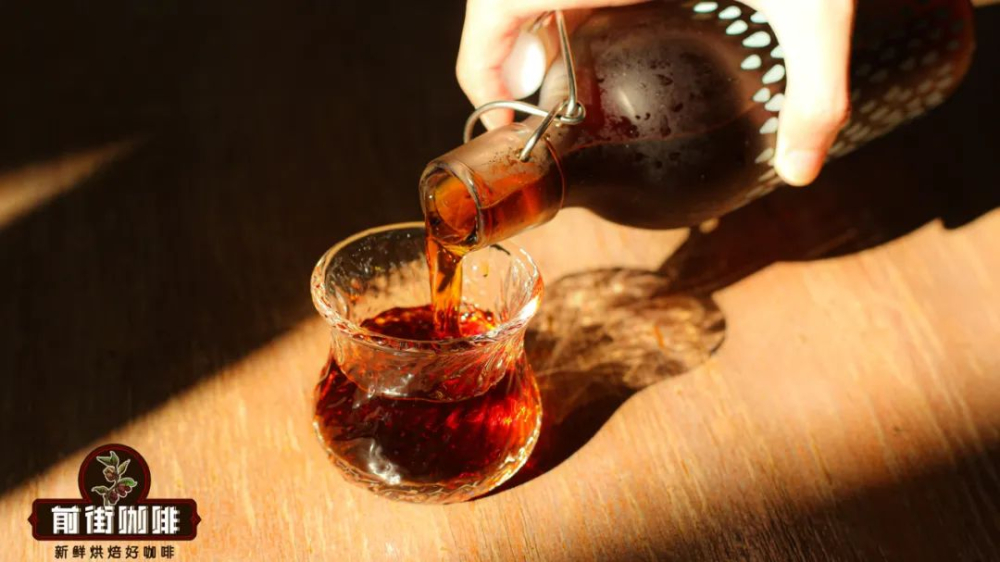
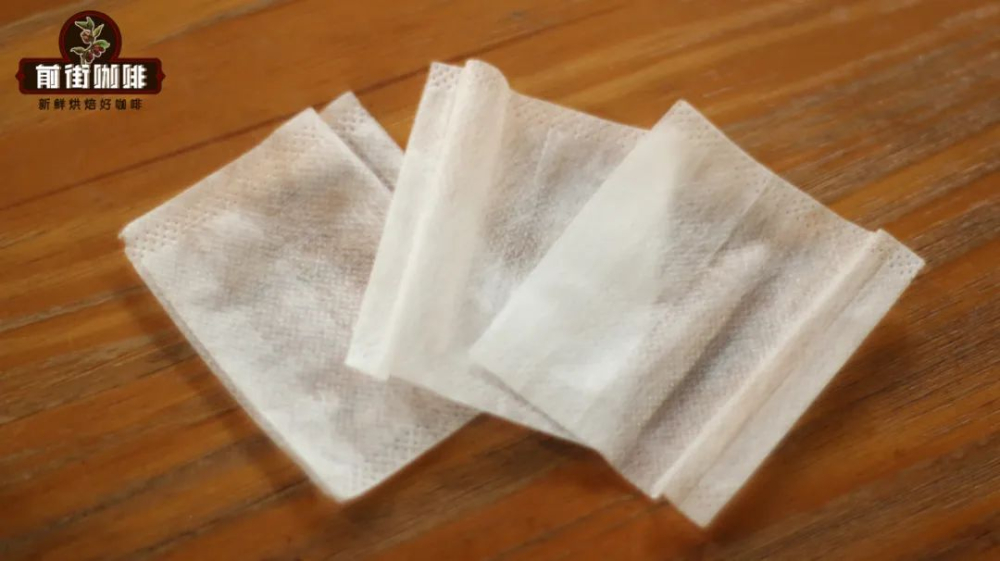
To address this issue, there’s actually a simple and low-cost solution: use a non-woven tea filter bag to hold the coffee grounds and then steep it in water. Yes, you heard that right — steeping coffee much like you would steep tea. This method not only helps avoid the issue of fine particles settling at the bottom, but also allows the coffee grounds to be evenly extracted by water, thereby improving overall extraction strength and flavor balance. More importantly, you don’t need to purchase any special cold brew equipment — a regular tea bag will do the trick.
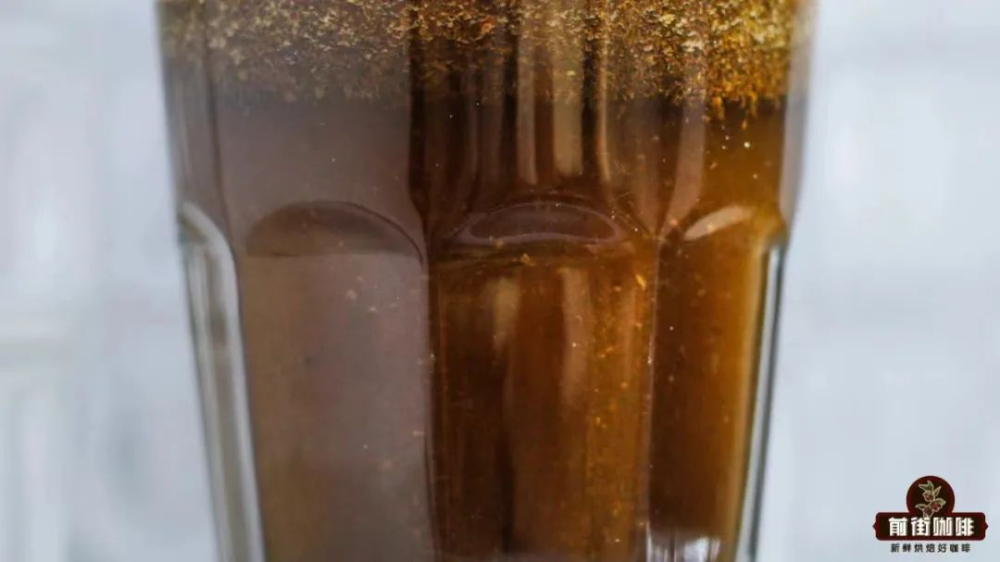
You might wonder: can steeping coffee grounds in a tea bag really extract enough flavor effectively? Especially over a long steeping period, wouldn’t that lead to under-extraction? In fact, according to our experiments, when the steeping time is extended beyond 8 hours, using a tea bag can actually bring unexpectedly positive results.
In our experiment, we selected two coffee beans with different roast levels: one was a light-roasted Elevation Caturra, and the other a dark-roasted Golden Mandheling. Each type of bean was divided into two groups — one where the coffee grounds were directly steeped in water, and another where the grounds were placed inside a non-woven tea filter bag before steeping. For grind size, we used a setting slightly finer than typical pour over (with the Ek43 grinder set at 8.5 and 10.5 respectively), and the total steeping time was standardized at 8 hours.
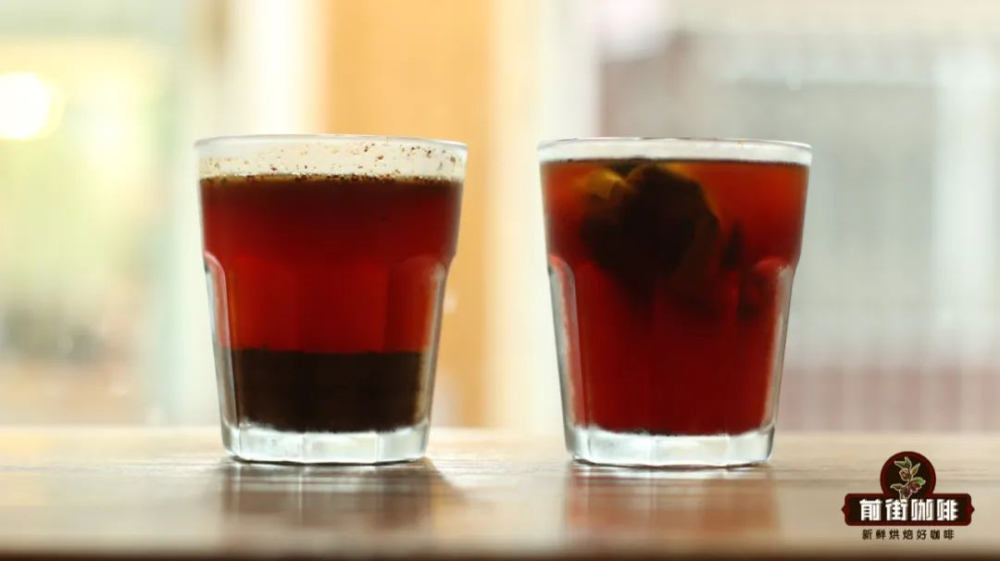
The observed results showed that the cold brew liquid from direct steeping appeared darker in color initially, while the tea bag group looked lighter. However, as the steeping time reached 8 hours, the tea bag group gradually developed a deeper color, and in terms of overall concentration and flavor performance, it outperformed the direct-steeped control group.
Further measurements of concentration and blind tastings revealed that the two coffee liquids from the tea bag group not only had higher TDS (total dissolved solids) but also exhibited fuller and more balanced flavors. For example, the Elevation Caturra displayed distinct sweetness and notes of peach, while the Golden Mandheling presented soft acidity and aromatic complexity, resulting in a lively yet layered cup. In contrast, the directly steeped coffee, especially the light roast group, suffered from uneven extraction at the bottom due to fine particle sedimentation, resulting in noticeably weaker flavors. The dark roast group performed slightly better, but still didn’t match the refined texture and body of the tea bag group.
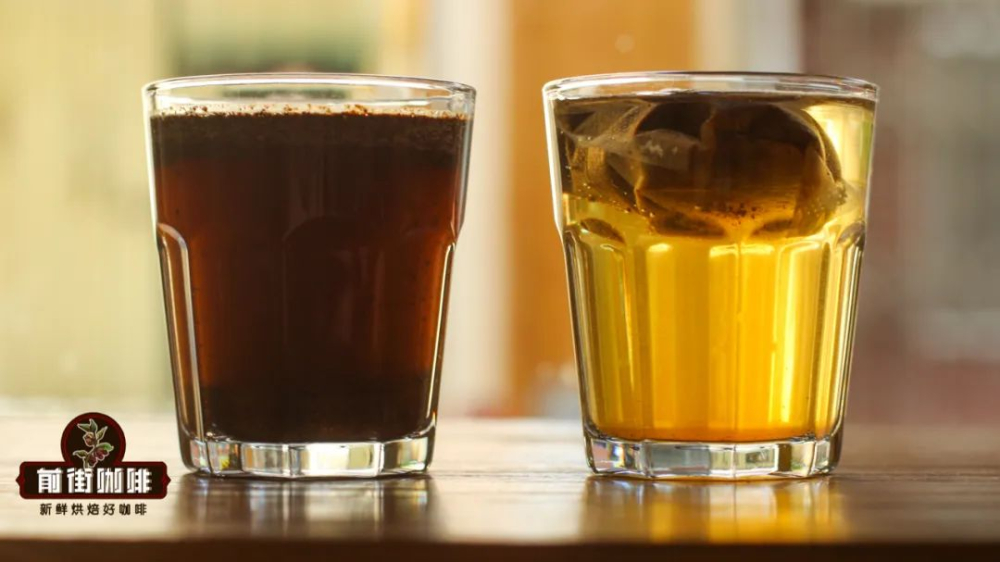
Why does using a tea bag improve cold brew extraction so effectively? The key lies in how the tea bag limits the settling and clustering of fine particles, allowing the coffee grounds to interact with water in a more uniform manner. Encased in the tea bag, the coffee grounds don’t sink to the bottom all at once but are gradually penetrated by water. The outer layer of coffee saturates first, while the inner layers continue to release flavor, avoiding the creation of “dead zones” caused by clumped fine particles. This leads to a more complete and continuous extraction process.
This method also has an added benefit — eliminating the hassle of filtering out grounds. Although the tea bag can’t block 100% of the finest particles from entering the brew, these minimal particles don’t negatively affect the taste. On the contrary, they can add a slight richness, enhancing the body of the coffee.
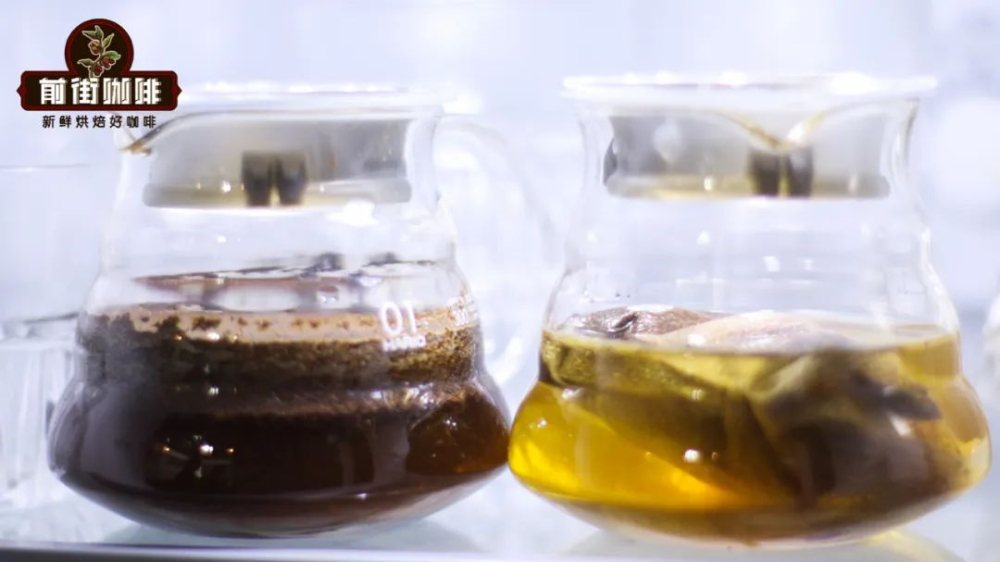
In summary, if you often find your homemade cold brew lacking in flavor, try using a non-woven tea filter bag to steep your coffee grounds. This simple method can significantly improve both extraction strength and flavor balance, while also saving you the cost of buying specialized equipment. If you’re using a larger amount of coffee grounds at once, it’s recommended to divide them into multiple tea bags to ensure each portion gets even water exposure, thus boosting overall extraction efficiency.
Quick tip: opt for tea bags with drawstrings, as they make it easier to remove and clean the bag after steeping, preventing any residual fine particles from affecting the taste.
The above content is compiled by CoffeeHunters, a coffee news website.


