







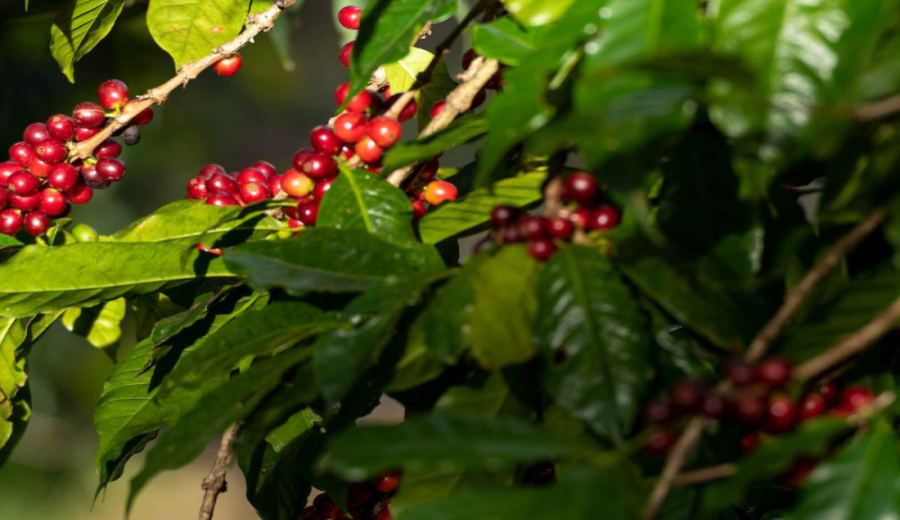
Introduction:Geisha coffee is hailed as the pinnacle experience in the coffee world, thanks to its instantly recognizable jasmine aroma, bright citrus acidity, and rich honey-like body. But did you know? Not every coffee labeled as Geisha possesses these classic characteristics. This article will guide you through three key aspects—variety origin, growing environment, and green bean processing—to help you understand the flavor differences between Ethiopian and Panamanian Geisha, along with pour over parameters and steps to help you easily brew the most captivating Geisha flavors.
Before the year 2000, Geisha coffee had not yet made its mark on the international market and was long considered an obscure, niche variety. It wasn’t until 2004, when Hacienda La Esmeralda won the BOP competition with a Geisha that boasted highly distinctive flavors, that this high-altitude variety suddenly shot to global prominence in the specialty coffee scene.
The jasmine ambiance, distinct citrus acidity, and honey-like richness presented at the competition were a far cry from mainstream coffees, quickly becoming the “flavor calling card” of Geisha. However, many consumers don’t realize that not all beans labeled as Geisha can exhibit these classic traits. Just as oranges come in varieties like navel, blood, and Sunkist—each with its own personality—so too does Geisha have multiple faces.
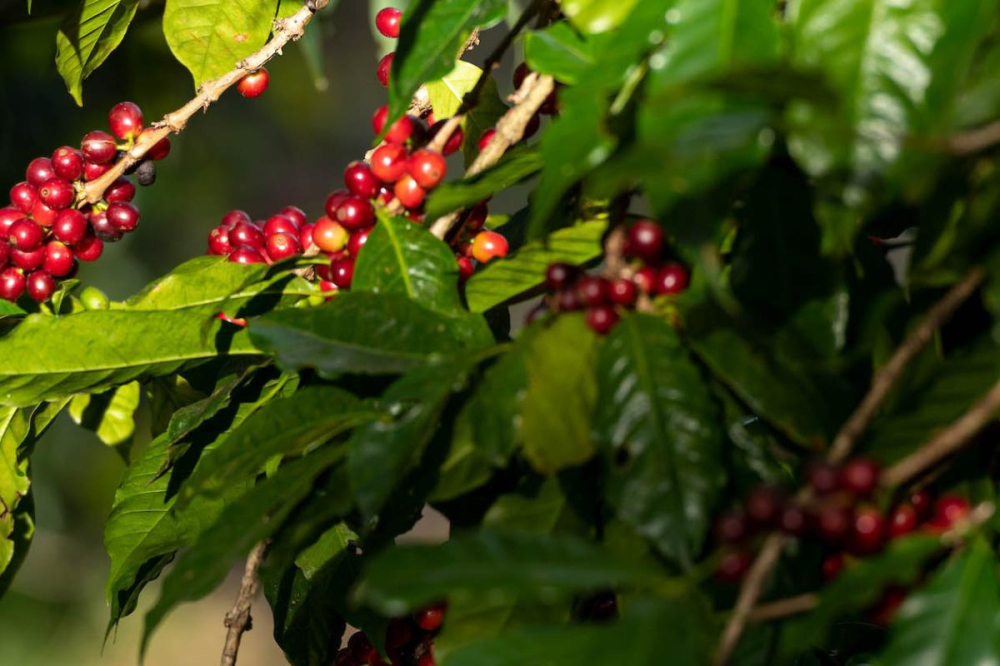
The significant flavor variations in Geisha primarily stem from inherent genetic differences. Research indicates that about 70% of a coffee’s final flavor profile is determined by its genetics. Therefore, even if they’re all called Geisha, it’s the underlying genetic lineage that dictates the direction of aroma and taste.
In fact, the highly acclaimed Panamanian Geisha of today can be traced back to the 1930s, when it was collected from the original Geisha forest regions near the Kaffa forests in Ethiopia. According to French botanist Jean Pierre Labouisse, the batch initially lumped together as Geisha was actually a mix of different plants, not a single pure variety. In other words, Geisha is not a single variety but a group of coffee plants with similar appearances or flavor potentials, with Panamanian Geisha being just one branch among many Ethiopian Geisha variants.
As agricultural researchers delved deeper into Ethiopia’s origins, they subsequently discovered various forms of Geisha variants. As a result, what we see today is that while both are called Geisha, Panamanian-grown Geisha often showcases delicate floral notes, fruity tones, and honey-like textures, whereas Ethiopian Geisha tends to emphasize intense juiciness and a diverse range of fruit flavors. Much of this difference stems from the genetic traits of the variety itself.
Beyond genetics, another 30% of a coffee’s flavor is deeply influenced by its growing environment. As the saying goes, “An orange grown in Huainan is an orange, but grown in Huabei becomes a trifoliate orange”—this phrase suits coffee perfectly. Even the same variety, when subjected to different altitudes, soils, climates, and sunlight conditions, will yield vastly different flavor outcomes.
Specialty coffee emphasizes the “terroir flavor,” highlighting how the environment shapes the characteristics of the coffee. For instance, Geisha grown in Costa Rica may carry distinct sweet orange notes, while Ethiopian Geisha is more likely to display refreshing lemon or passion fruit aroma profiles. Therefore, even with the same variety, different origins can lead to completely different flavor directions.
The last key variable is the green bean processing method. Even with identical variety and origin, different processing methods can dramatically alter the coffee’s flavor spectrum. Green bean processing is essentially a “fermentation” procedure, where the duration, intensity, and types of microbes involved in fermentation directly impact the final aroma expression.
Take Panamanian Geisha as an example: if traditional washed processing is used, it typically presents clean white floral notes, citrus acidity, and berry flavors; but if advanced processes like anaerobic fermentation are applied—as seen in the famous 90+ brand’s Juliet Geisha—it might emit unique aromas like champagne, muscat grape, or even spices. This shows that processing is a major driver behind the diversity of Geisha flavors.
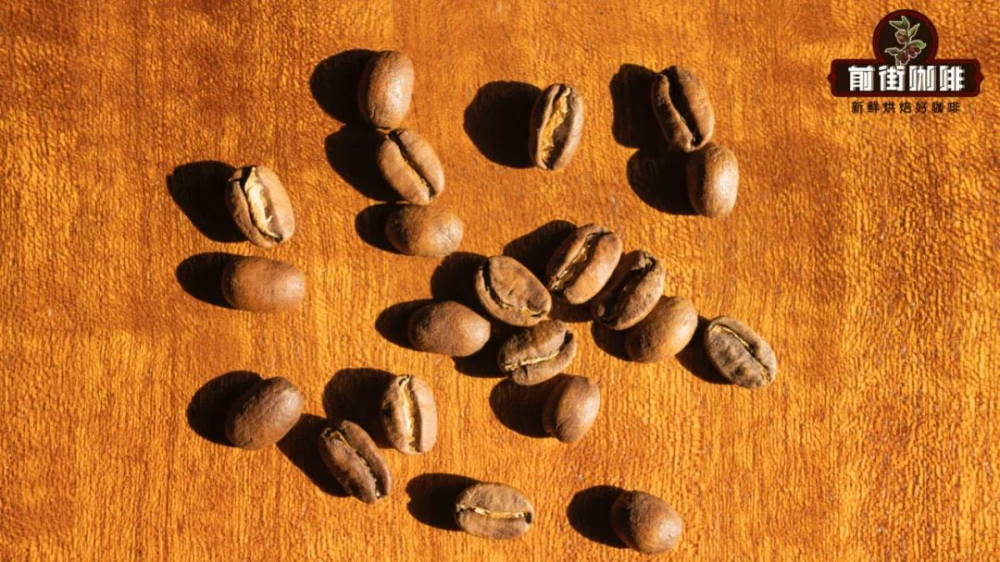
For beginner coffee enthusiasts trying Geisha for the first time, it is recommended to start with Panamanian Geisha. As the origin where Geisha gained international fame, Panama boasts mature cultivation techniques and diverse processing methods, resulting in generally stable flavor profiles and high quality assurance. Among them, washed-process Panamanian Boquete Geisha is known for its clear citrus character and excellent cleanliness, making it a classic entry-level choice for exploring Geisha.
So-called washed processing refers to the method where harvested coffee cherries are depulped to remove the outer skin and part of the fruit pulp; then the beans, still coated with some mucilage, are soaked in water for approximately 24 hours of fermentation to soften and remove the slippery mucilage layer; afterward, the beans are rinsed clean with flowing water, and the parchment-covered beans are placed on drying beds or in dryers to reduce moisture content to around 12%, after which the parchment is removed to complete the process.
The advantage of washed processing lies in its ability to effectively enhance the stability and clarity of coffee flavors, especially highlighting the delicate acidity and floral traits of Geisha. Roasted Panamanian washed Geisha often carries elegant white floral notes, refreshing citrus and lemon acidity, with a slight green tea-like finish—delivering an overall flavor profile that is crisp and pleasant.
To fully showcase the delicate aromas and sweet-sour layers of Geisha, it is recommended to use medium-light roasting and employ precise pour over techniques to improve extraction efficiency. Below is a practical brewing parameter set and step guide suitable for use with a V60 filter cone to help you brew a Geisha coffee with distinct layers and balanced sweetness and acidity.
【Pour Over Parameters】
Filter Cone: V60
Water Temperature: 91-92°C
Coffee Dose: 15g
Coffee-to-Water Ratio: 1:16
Grind Size: Fine sugar size (approximately 80% passing through a #20 sieve)
【Three-Stage Extraction Process】
1. Place 15g of coffee grounds into the V60 filter cone, then pour 30g of water for a 30-second bloom. Use a small stream of water, circling from the center outward, ensuring even saturation of the coffee bed.
2. Next, pour 120g of water with a slightly larger stream to lift the coffee bed. The water stream should be vertical and even, aiming to reach a cumulative pour of 150g by around 55 seconds.
3. Finally, when the liquid level drops to about half, switch to a small stream and pour in a small circular motion with 90g of water, for a total of 240g poured. The total brew time should be around 2 minutes and 10 seconds. Be mindful to control the water flow to avoid disturbing the coffee bed excessively, which could lead to uneven extraction.
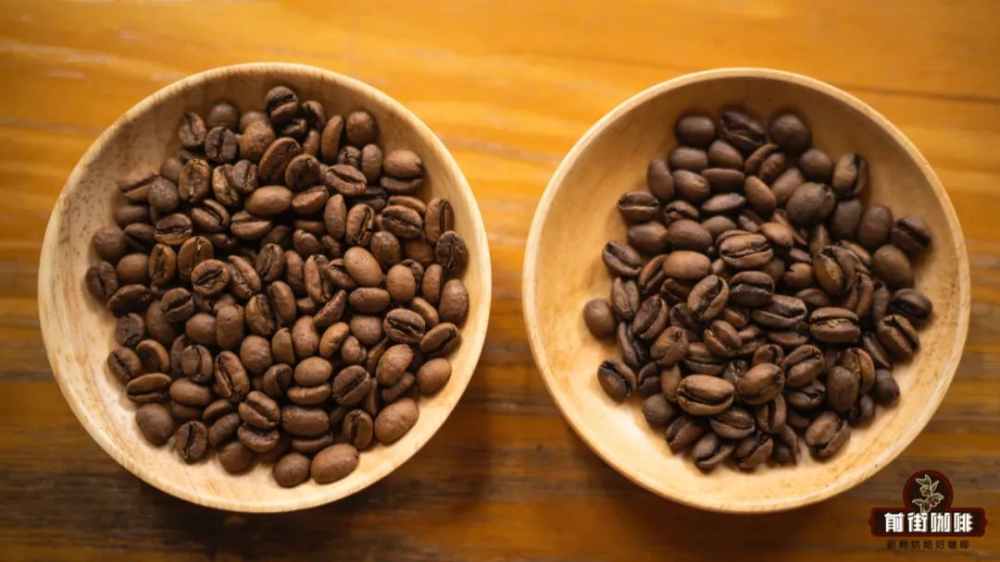
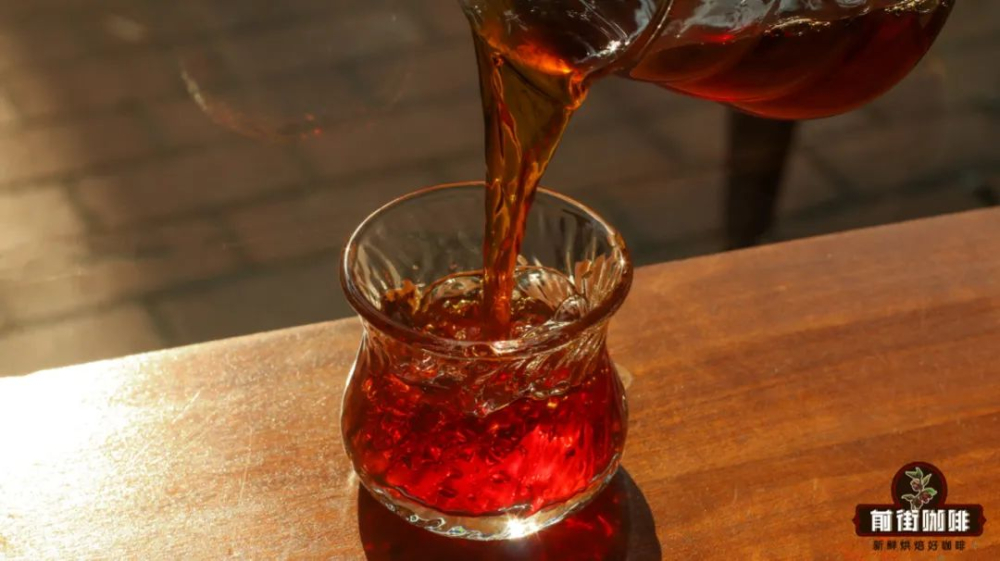
The brewed Geisha coffee will showcase bright citrus, lemon, and bergamot acidity, with a smooth, creamy mouthfeel and a gentle, sweet aftertaste of green tea and honey. By mastering the secrets of variety, origin, and processing, you too can confidently explore the multifaceted flavor world of Geisha.
The above content is compiled by CoffeeHunters, a coffee news website.


