








Introduction:Many beginner pour-over coffee enthusiasts often wonder: why do dark roasted beans still have noticeable acidity? What’s the relationship between roast level and caffeine content? Does a new harvest season mean the beans were freshly picked that year? Additionally, the difference between resting period and peak flavor period can be confusing. This article delves into these common questions, clears up misconceptions, and provides practical details to help you better understand coffee knowledge and enhance your pour-over experience.
Many beginners in pour-over coffee have heard this claim: under the same brewing conditions, dark roasted beans release more caffeine than light roasted beans, leading to the assumption that the darker the roast, the higher the caffeine content. However, this is actually a common misconception.
In fact,caffeine content primarily depends on the coffee bean variety and processing method, not the roast level. Whether it's light, medium, or dark roast, the change in caffeine during roasting is minimal. The reason dark roasted beans seem to have more caffeine is often because their flavors are stronger and bitterness is more pronounced, giving the impression of higher caffeine content. But scientifically, the caffeine proportion in the same beans across different roast levels is almost identical.
Another common question is: does a new harvest season mean the beans were picked and are fresh that same year? The answer isn’t always yes. The so-called “harvest season” refers to the period when coffee cherries ripen, are picked, and processed, and this period varies depending on the local climate and latitude. For example, in Central and South America, the harvest season mostly falls between October and March of the following year, while in some parts of Africa and Asia, it may be between May and September.
Therefore, the term “new harvest season” usually refers to the most recent batch of beans that have been harvested, processed, and exported from that region — it’s not necessarily from the current calendar year, especially considering international shipping and storage. Some coffee importers may pre-order and store beans before the end of the season, so the “new harvest season” might include some high-quality beans from the end of the previous season.
Next, let’s discuss the “resting period” and the “peak flavor period.” These two terms are often used interchangeably, but they actually refer to different stages in a coffee bean’s life. Theresting period (Resting Period)refers to the time after roasting when coffee beans need to degas the carbon dioxide produced during roasting and allow their flavors to reach a better balance. Generally speaking, dark roasted beans, due to their intense roasting process and significant internal structural changes, typically require 3 to 7 days of resting time; light roasted beans may need as little as 3 days or as long as 10 days, depending on the specific roast curve.
Thepeak flavor period (Best Before or Peak Flavor Period), on the other hand, is the time frame during which a coffee bean’s flavor is at its best. Usually, within 1 to 2 weeks after the resting period ends, most coffee beans exhibit their brightest and most layered flavors. As time goes on, the volatile aromatic compounds in the beans gradually dissipate, and acidity and sweetness also decline, resulting in a flatter taste or even cardboard or oily notes.
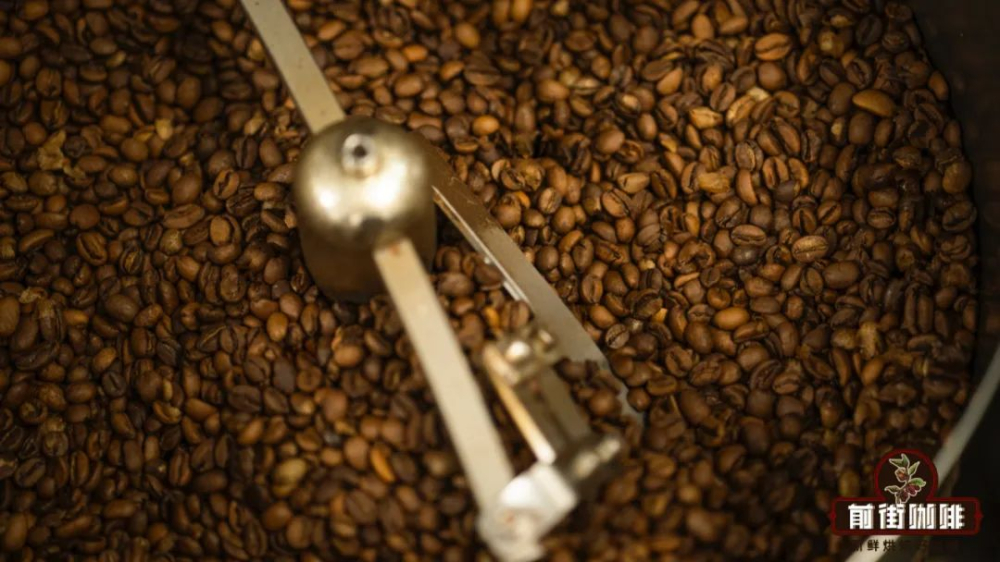
In summary, if you’re a pour-over coffee enthusiast, understanding these basic concepts can help you select beans and adjust brewing strategies more effectively. For example, if you’ve just received a bag of dark roasted beans, it’s recommended to let them rest for 3 to 5 days before brewing to allow them to stabilize after degassing; light roasted beans may reach their optimal flavor period sooner, but it’s still advisable to wait a bit to achieve a more balanced taste.
Additionally, if you find that your dark roasted beans still have noticeable acidity when brewed using pour-over, don’t rush to blame the roast level or caffeine content — it could be related to grind size, water temperature, brew time, or technique. Adjusting these variables appropriately can often help you get closer to the bean’s true flavor potential.
The above content is compiled by CoffeeHunters, a coffee news website.


