







Introduction:Want to brew an Americano at home that rivals the quality of café-brewed coffee, but always struggle to master the key techniques? This article will thoroughly break down everything from selecting your espresso base, setting extraction parameters, to determining the optimal water temperature and ratio for both hot and iced Americanos, and analyzing how crema affects flavor. We’ll also compare the fundamental differences between Americanos and moka pot coffee, helping you master the full range of brewing essentials from basics to advanced.
Brewing a delicious Americano at home may seem simple, yet it often falls short compared to café-made versions. The issue is usually not that the technique is too difficult, but rather that factors such as the type of coffee beans, brewing equipment, and personal taste preferences vary from person to person. To break through the bottleneck of feeling like “something’s just not quite right,” the key lies in understanding three core elements: the method of extracting espresso, the dilution ratio and water temperature control, and the impact of crema on overall mouthfeel. This article will analyze these steps in detail to help you adjust and brew the Americano that best suits your setup.
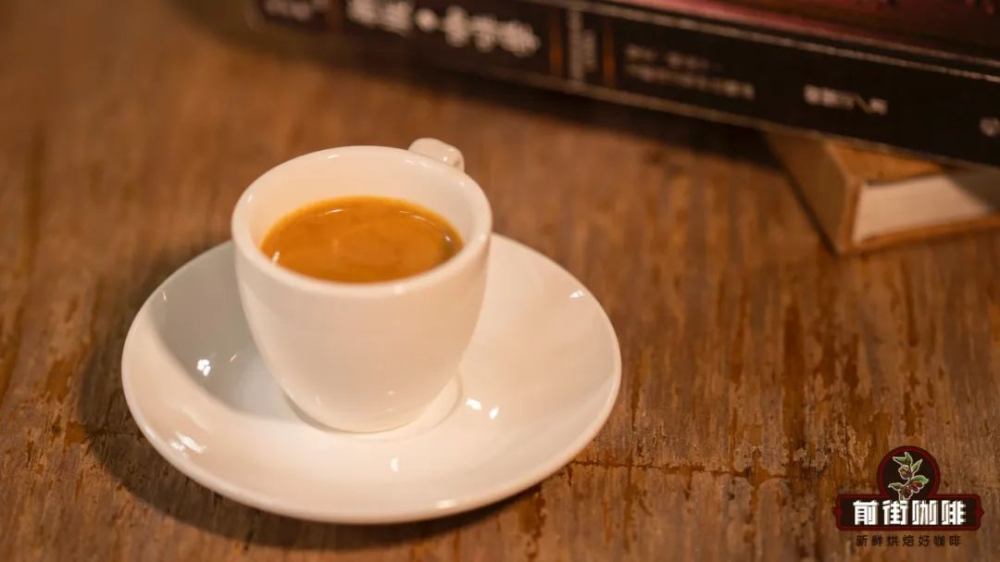
First, it’s important to clarify a basic concept: not all black coffee is called an Americano. A true Americano is made by diluting espresso with hot or cold water to adjust its strength. Therefore, the quality of the espresso extraction directly determines the flavor ceiling of the final cup. In other words, the first step to making a great Americano is to pull an espresso you’re truly satisfied with.
When choosing coffee beans, roast level is a key factor influencing flavor direction. If you prefer a bright, crisp acidity, go for medium to light roast beans—such as the Huākuí single-origin bean (SOE) with citrus and floral notes, or Geisha with tropical fruit characteristics. On the other hand, if you enjoy a richer, more robust coffee with caramel and chocolate tones, medium to dark roast blends like classic house blends, Black Cocoa mixes, or even Indonesia’s Golden Mandheling are excellent choices.
As for espresso extraction parameters, although the characteristics of each bean and grinder differ, there are still some general principles to follow. It’s recommended to first understand the basic “dose, time, and yield” triangle. For a standard single-cup portafilter basket (around 20g capacity), use 19.5–20.5g of dark roast beans; for light roast beans, which are denser, you can slightly increase the dose. The standard espresso brew ratio is 1:2. For dark roasts, aim for an extraction time of 28–32 seconds, while light roasts, due to higher resistance, can be extended to 28–35 seconds.
In practice, it’s advisable to first fix the extraction time and target yield, then adjust grind size to bring the extraction time within the ideal range. If you detect sharp sourness or astringency, it may indicate under-extraction—try increasing the yield or fine-tuning the grind to be slightly finer. If you notice pronounced bitterness or dryness, it signals over-extraction—in this case, coarsen the grind or reduce the yield. Through such fine adjustments, you can gradually approach your personal “perfect espresso.”
Once you’ve pulled an espresso you’re happy with, the next step is to add water to adjust the concentration—this is the biggest difference between an Americano and straight espresso. Generally, a common ratio for hot Americanos is 1 part espresso to 4 parts hot water, i.e., 1:4. However, this is just a reference; the actual ratio should be flexibly adjusted based on the bean variety and roast level you’re using.
For example, light roast beans tend to have more subtle flavors, so slightly increasing the concentration—such as using a 1:3 ratio or even stronger—can help highlight those flavors. Conversely, dark roast beans already have intense and often bitter flavors; using too high a ratio can make the cup overly heavy. In this case, a 1:4 ratio or lighter is recommended for a smoother overall taste. Additionally, the water temperature should be maintained around 65–70°C. This range allows the coffee aromas to fully develop without scalding the palate or damaging delicate flavors.
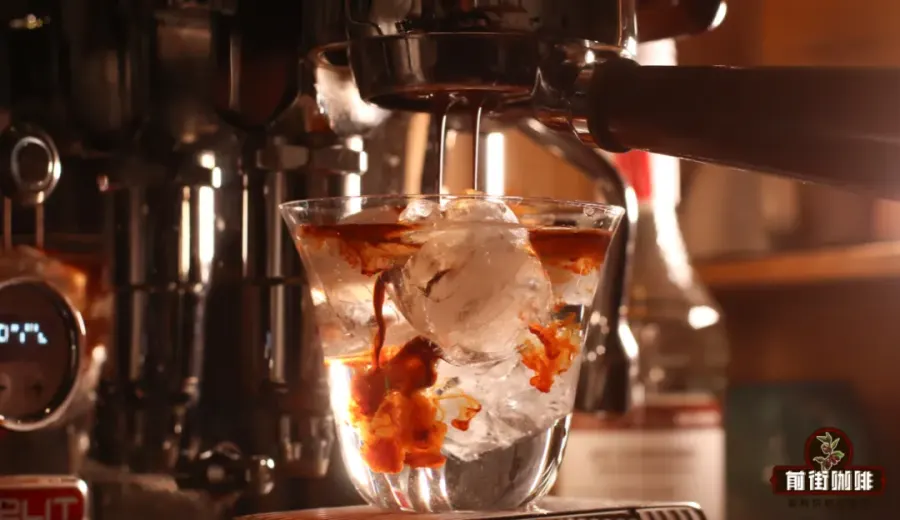
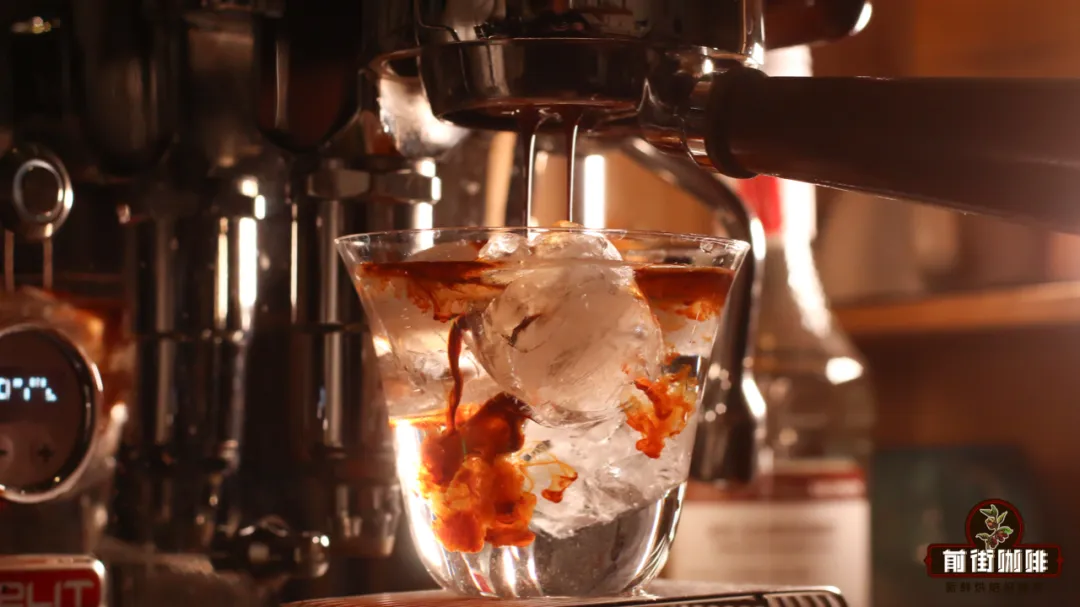
As for iced Americanos, the addition of ice cubes makes concentration and temperature control more complex. Since ice melts over time and continuously dilutes the coffee, when setting your ratio, you must take into account both the volume of ice and its melting rate. A practical recommendation is to use a ratio of 1 part espresso to 6.5 parts ice water, with an approximate ice-to-water ratio of 1:1.8. For instance, 38g of espresso can be paired with about 90g of ice and 160g of cold water. It’s advisable to use large, well-frozen ice cubes (around 30g each) to avoid rapid melting and flavor loss.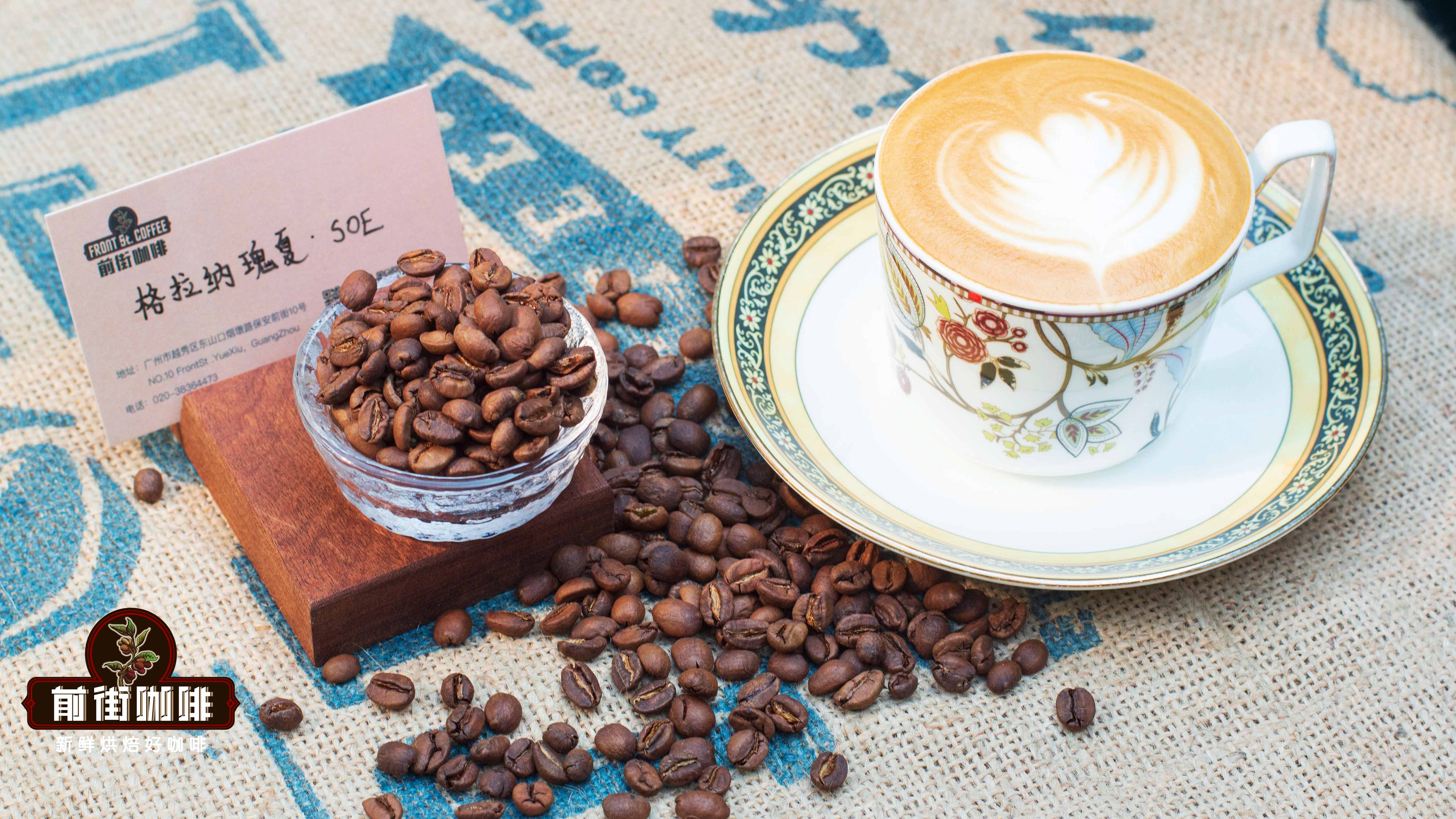
Of course, everyone drinks at different speeds. If you find the coffee becoming too weak too quickly, you can reduce the amount of ice or increase the initial concentration. If you’d rather not calculate too precisely, a simple method is to fill your cup with ice first, pour in water to about 80% full, then add the espresso and stir well. Adjust to your preferred concentration and mouthfeel by tasting.
Finally, don’t overlook the crema—the golden foam on top of the espresso. Composed mainly of carbon dioxide, micro-grounds, and coffee oils, crema impacts aroma, body, and mouthfeel. Preserving crema can enhance fragrance and richness, but may also introduce heavier bitterness or a gritty texture. If you prefer a cleaner, crisper taste, you can skim off the crema after extraction; if you enjoy a fuller, more robust flavor, keeping the crema will elevate the overall profile. This is entirely a matter of personal preference—with no absolute right or wrong.
In summary, from selecting the right coffee beans, mastering espresso extraction conditions, to adjusting the hot or cold water ratio to your liking, every step influences the final flavor of your Americano. Coffee enthusiasts are encouraged to experiment with different parameters and ratios, keeping track of each adjustment and impression to gradually discover your own “perfect Americano” formula. Whether you’re using a manual espresso machine, a moka pot, or even an AeroPress, as long as you grasp these core concepts, you can easily brew a satisfying Americano.
The above content is compiled by CoffeeHunters, a coffee news website.


