







Introduction:This article delves into the definitional boundaries of pour over coffee and explores the cultural differences in coffee appreciation highlighted by the controversy surrounding the "Nanjing Auntie" incident. By tracing the evolution of instant coffee—from its military use during World War II to modern three-in-one products—it reveals the health impacts of non-dairy creamer and analyzes the unique backdrop of China’s three waves of coffee market development. Especially preserved are valuable historical craftsmanship images to help readers understand how coffee technological innovations have transformed mass consumption habits.
In today’s era of growing specialty coffee accessibility, what exactly does "pour over coffee" refer to? When the so-called "pour over" operation performed by a Nanjing aunt using instant coffee powder stirred online debate, it became necessary to re-examine the technological evolution and shifts in market positioning of instant coffee from the perspective of coffee history. This article will clearly define the professional standards of pour over coffee, fully present the key milestones from the military-driven birth of instant coffee to its industrial mass production, deeply analyze the health risks associated with non-dairy creamer and three-in-one products, and revisit how the first wave of coffee was received within China’s unique social context.
In the context of contemporary specialty coffee shops, pour over coffee specifically refers to the process of precisely extracting flavor compounds from freshly ground coffee beans by manually controlling the speed and angle of water flow through specialized equipment such as paper filters, filter cones, and pour over kettles. This stands in fundamental contrast to the "manual brewing" shown in the Nanjing aunt’s video—where the emphasis is merely on a non-mechanized form of operation, yet uses pre-packaged instant coffee powder as the ingredient.The core of the controversy actually lies in ingredient selection: when the traditional understanding of pour over, which requires professional tools and techniques, collides with industrially produced instant coffee, it triggers discussions about differing levels of coffee culture awareness.
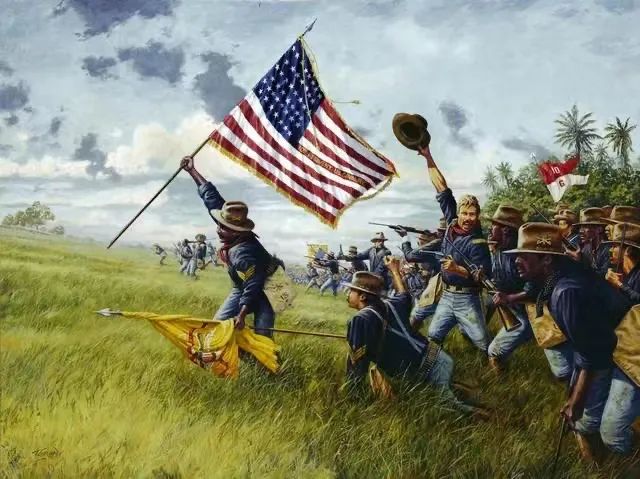
There are three landmark stages in the history of coffee development, commonly referred to in the industry as the three waves. The defining feature of the first wave was the "instantization of coffee." Before the invention of instant technology, coffee preparation relied on a cumbersome process of grinding beans and brewing them on the spot: from controlling grind size to managing water temperature, every step required accumulated experience. This complexity actually reinforced the dedication of coffee enthusiasts, as exemplified by American soldiers who continued to manually brew coffee even in battlefield conditions—despite harsh circumstances, they would take advantage of combat breaks to make coffee for a boost.
To improve combat efficiency, the U.S. government commissioned research institutions to develop a simple coffee solution. Notably, the UK had initiated related research as early as the late 18th century, but it failed to gain traction due to technological limitations (for detailed technical history, please refer to professional literature). The turning point came in 1937, when Nestlé, at the request of the Brazilian government, successfully developedthe spray drying methodof production: by using high-temperature airflow to atomize concentrated coffee liquid into fine particles, which were then instantly dehydrated into soluble powder. This breakthrough not only significantly reduced production costs but also established the basic form of modern instant coffee.
The initial popularity of instant coffee products stemmed from their extreme convenience—just add hot water to enjoy ready-to-drink coffee. However, technical limitations led to noticeable drawbacks:To compensate for the flavor loss caused by low-quality coffee beans, producers generally adopted dark roasting methods, and due to aroma loss from high-temperature processing, the final product often had a burnt, bitter taste. To address this, formulators introduced large amounts of sugar and non-dairy creamer (a hydrogenated vegetable oil emulsion) to balance the flavor, resulting in the common three-in-one instant coffee seen on shelves. Long-term excessive intake of these additives may lead to metabolic issues, a health risk that has gradually come to light with advancing medical research.
With the rise of espresso technology, consumers began to pursue the flavor experience of freshly ground coffee, pushing coffee culture into a second wave that emphasized origin and roast profiles. Against this backdrop, instant coffee gradually came to be categorized as an entry-level product. It is worth noting that the uniqueness of the Chinese market lies in the fact that while global coffee consumption had already entered the espresso phase, local consumers were first introduced to coffee either as a luxury item like Blue Mountain or as the mass-market instant product. This foundational perception shaped the early market’s distinctive positioning of instant coffee.
Today’s consumer aversion to instant products mainly stems from increased information transparency leading to expanded choices. Modern consumers can clearly discern: true pour over coffee requires specific equipment and technical standards, whereas instant products, regardless of how they are prepared, remain fundamentally industrialized, pre-packaged goods. This shift in perception reflects the evolution of coffee culture from function-oriented satisfaction to quality pursuit, and also provides a historical dimension for understanding the Nanjing Auntie incident.
The above content is compiled by CoffeeHunters, a coffee news website.


