







Introduction:A well-known fresh yogurt brand, Mixue Yogurt, has been hit by a food safety scandal. An undercover investigation by The Beijing News revealed that multiple franchised stores in Beijing were using oat and highland barley ingredients that had expired over 40 days. Staff relied solely on their sense of smell to judge the freshness of fruits, while expiration labels were virtually non-existent. The brand quickly responded by announcing the permanent termination of partnerships and the closure of the problematic outlets. This article delves into the details of the incident, the current status of the stores involved, and the food safety details consumers should pay attention to.
The fresh yogurt market has recently been rocked by another food safety storm, with Mixue Yogurt exposed for its franchised stores using expired ingredients. The investigation found that multiple branches in Beijing not only continued to use oats and highland barley toppings that had been stored for over 40 days, but also covered up expired fruits by replacing their labels, raising concerns over quality management loopholes.
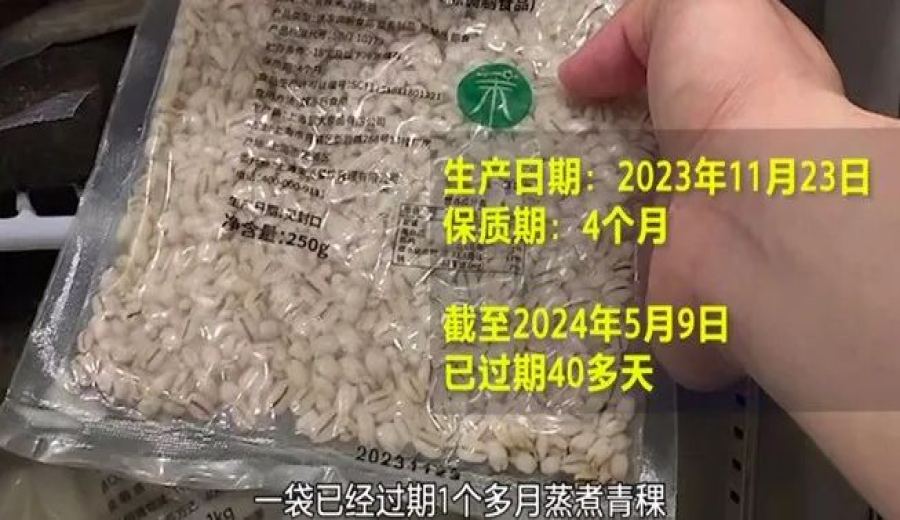
According to undercover reporters, at the Mixue Yogurt store in Wanda Plaza, Shijingshan, staff discovered that the packaging of oat toppings showed they had expired over a month ago, yet they still added them to customers’ drinks. Multiple packs of expired highland barley toppings were also found at the Ito Yokado branch. In addition, some stores did not strictly follow expiration management protocols, and in some cases, didn’t even post labels, relying instead on staff’s subjective judgment on whether ingredients were usable.
Beyond ingredient issues, stores were also found to have improper storage that accelerated food spoilage, and failure to follow recipes, leading to practices such as skimping on ingredients. Industry insiders admitted that due to the higher costs of fruits and toppings, store managers often chose to extend usage periods to avoid reporting losses, creating an internally tolerated grey area.
The reason store managers turn a blind eye to these violations mainly stems from the performance pressure under the franchise system. To reduce loss rates and increase personal income, some managers opt to sacrifice quality by continuing to use expired ingredients. While this may control costs in the short term, it severely damages the brand’s reputation and consumer health.
Established in 2014, Mixue Yogurt gained long-term popularity by promoting the use of 100% fresh milk to make yogurt on-site, combined with fresh fruits, with most single items priced over 25 yuan. However, this is not the first time the brand has faced food safety scrutiny. In March this year, the Shanghai Consumer Council pointed out that the ingredient ratio in its mango yogurt smoothie was abnormal, with fat content being 3.25 times that of protein and 2.77 times that of lactose, sparking market controversy.
After the incident came to light, Mixue Yogurt swiftly issued a statement, admitting that the involved stores had seriously violated regulations. It set up a special task force to investigate, immediately closed the related outlets, and permanently terminated cooperation with them. On-site investigations by China News Service found that some stores had temporarily suspended operations, one had stopped offering delivery but kept in-store sales, while others hung up the phone directly when called, showing chaotic operational conditions.
This incident serves as a reminder to consumers to pay attention to hygiene management and ingredient freshness when choosing freshly made drinks, and to prioritize brands with greater transparency. At the same time, businesses need to strengthen supply chain oversight and employee training to ensure every product meets safety standards and rebuild market trust.
The above content is compiled by CoffeeHunters, a coffee news website.


