







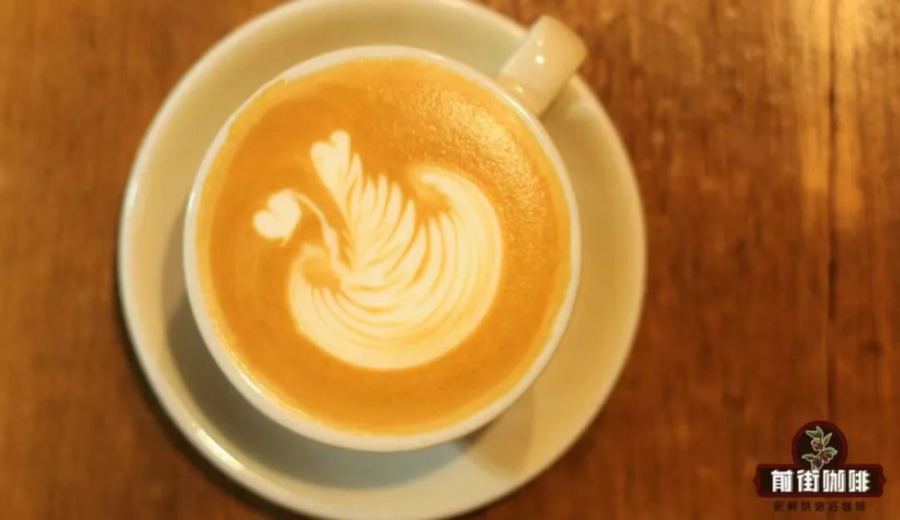
Introduction:Do you think only milk-based coffee can be latte art-ed? In fact, with the right techniques, even a plain Americano can showcase delicate latte art patterns. This article will delve into the science behind milk-free latte art and provide a detailed step-by-step guide—from extraction ratios, ice-to-water proportions to steam texturing methods—to help you easily create an Americano with rich foam art. Even if you don’t drink milk coffee, you can still enjoy the fun of latte art.
Most people’s impression of Americano is that of a pure black coffee, made with espresso and hot water, which seems unrelated to latte art. However, by understanding the principles behind it and making slight adjustments, you can achieve stunning latte art patterns without adding any milk.
The formation of latte art mainly relies on the buoyancy and stability of milk foam, which typically comes from the proteins in milk. Interestingly, espresso itself also contains a small amount of protein, which opens up the possibility of milk-free latte art. The key lies in creating the right liquid conditions to allow foam to form and maintain long enough for patterning.
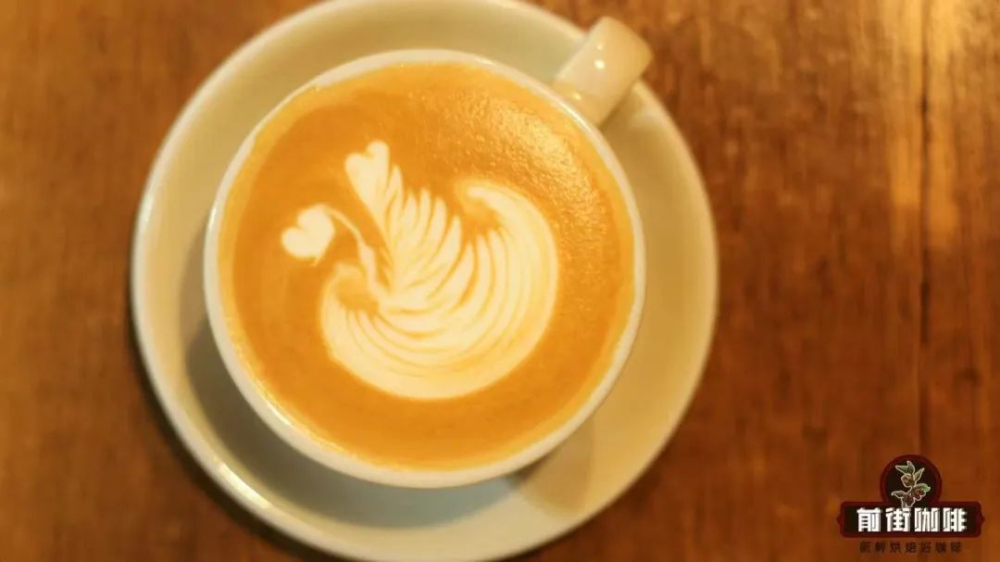
Many black coffee enthusiasts, while not fond of milk coffee, still hope to see beautiful latte art patterns in their Americanos. They often ask, “Can I get latte art on my Americano too?” The answer is yes, but the method needs to be adjusted.
Traditional latte art relies on steaming milk to produce fine microfoam, but since Americano has no milk, we need to use water and ice to create a suitable texturing environment. The focus is on increasing the total liquid volume to give the steam wand enough space to work, while lowering the liquid temperature to extend the foam’s lifespan.
In practice, it’s very simple—just replace the hot water used to dilute the espresso with room temperature water, or even add ice cubes or use ice water directly, to effectively lower the liquid temperature. Ice water not only helps enhance the foam’s density but also slows down its dissipation, creating more favorable conditions for latte art.

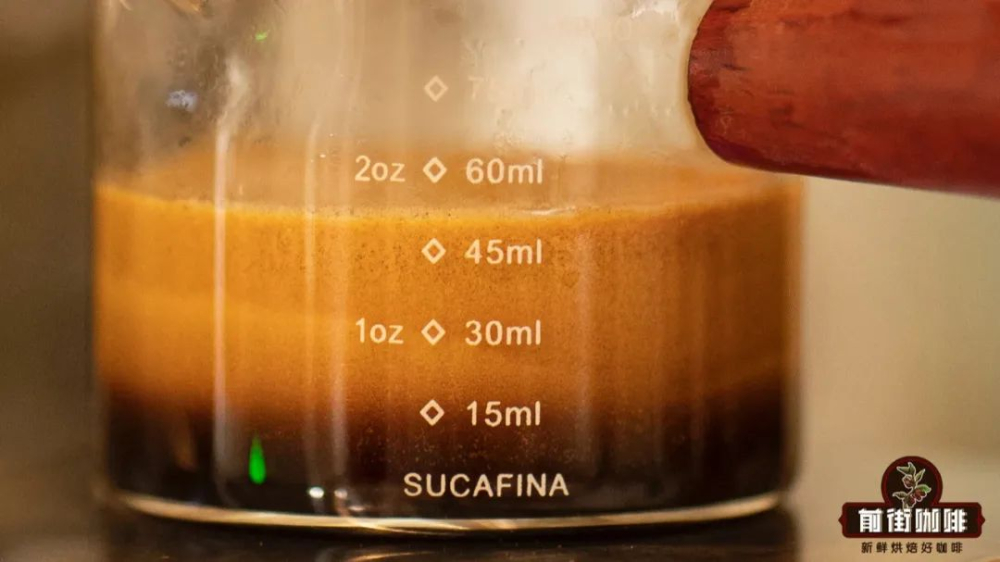
The standard Americano ratio is 1:4, but for milk-free latte art, we recommend adjusting to 40ml of espresso, paired with 80ml of room temperature water and 80g of ice cubes. This combination maintains an appropriate coffee strength while providing enough liquid volume and a cool environment for texturing.
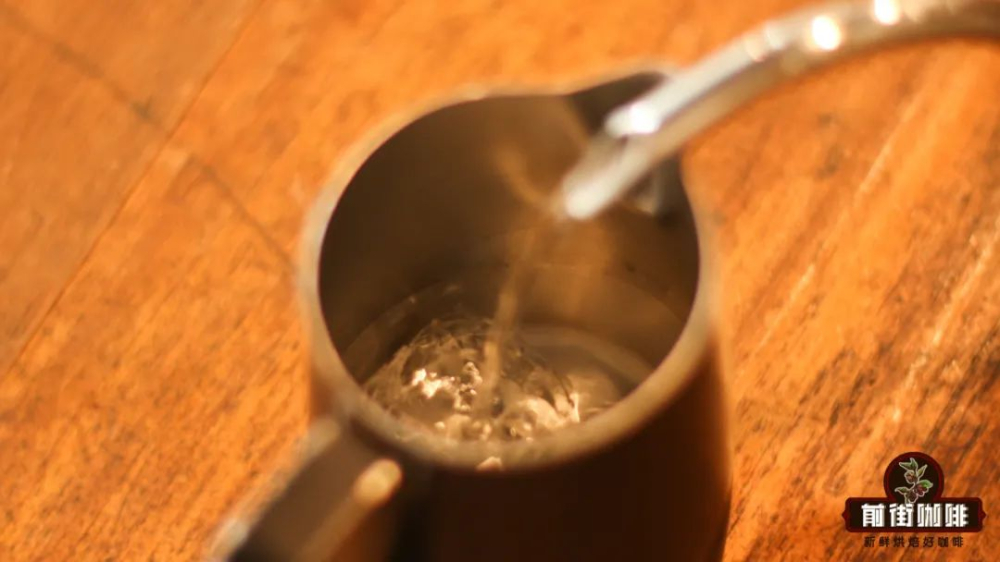
The first step is to pour the ice cubes and water together into the pitcher. Then, using a split portafilter, extract 20g of coffee grounds at a 1:2 coffee-to-water ratio (i.e., 40ml of espresso) for 30 seconds—this is the standard espresso extraction parameter. The extracted espresso is divided into two parts: one is poured directly into the cup, and the other into the pitcher containing the ice-water mixture.
After thoroughly shaking the liquid in the pitcher to mix it evenly, you can begin the steaming process. This step is similar to steaming milk and includes three stages: aeration, texturing, and blending. Note that because water is much more fluid than milk, you’ll need to create thicker foam to reduce fluidity and improve your margin for error during pouring.
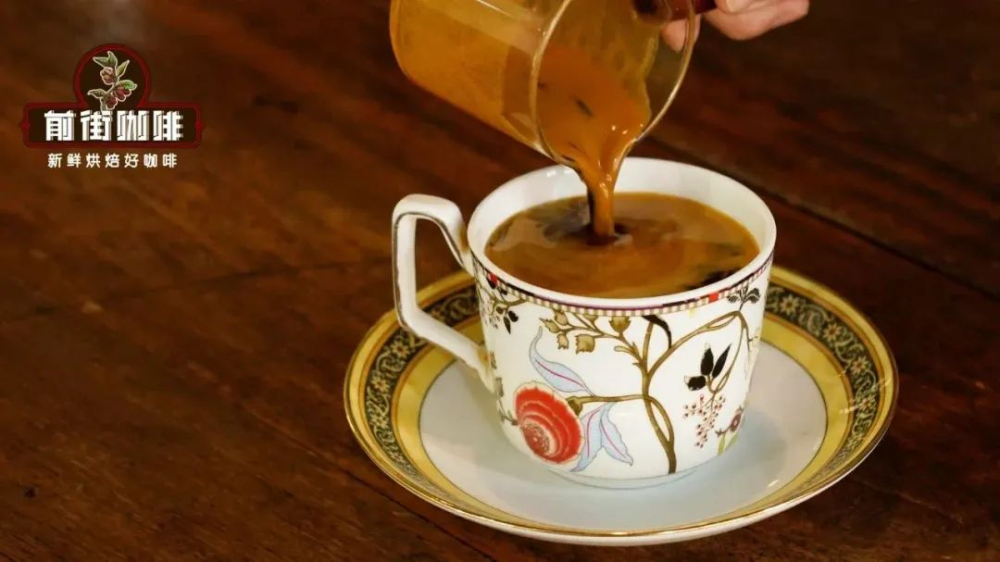
Once texturing is complete, remember to shake the pitcher immediately to mix the bubbles and liquid thoroughly. This step is crucial because the foam on an Americano dissipates extremely quickly, so you must work fast to ensure the pattern remains clear and visible.
The latte art pouring technique is exactly the same as with milk-based coffees like lattes—the complexity of the design can be adjusted based on your skill level. Whether it’s a simple heart or a more intricate pattern, mastering the basics allows you to create art on an Americano.
The finished Americano with latte art not only has visual appeal but also offers a unique taste experience. The layer of dense foam adds a hint of richness to the otherwise crisp black coffee, creating a distinctive drinking experience. For coffee lovers who don’t enjoy milk coffee but still want to appreciate the art of latte, this is undoubtedly a new option worth trying.
The above content is compiled by CoffeeHunters, a coffee news website.


