







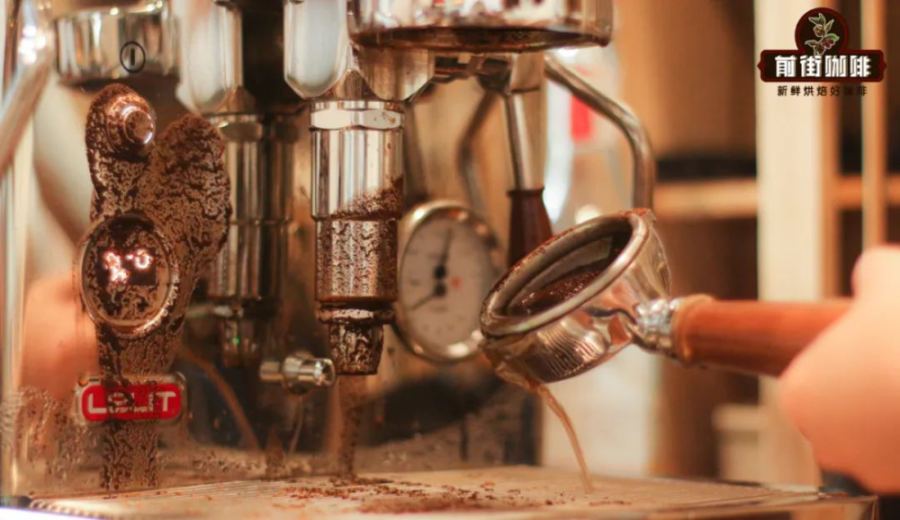
Introduction:Have you ever experienced the alarming moment when your espresso portafilter suddenly flies off the group head during extraction? This so-called "machine explosion" phenomenon can not only damage expensive equipment but also cause personal injury. This article delves into the three high-risk scenarios of uncontrolled extraction pressure—residual pressure when removing the portafilter, imbalance between coffee grounds and water during extraction, and operational mistakes during cleaning and maintenance—and provides expert-level preventive strategies and practical solutions to help coffee enthusiasts eliminate potential dangers at the root.
In the daily operations of baristas, the unexpected incident of a portafilter suddenly flying off the group head occurs from time to time. Known in the industry as a "machine explosion," this issue can, at best, leave coffee stains all over the machine’s surface, and at worst, cause injury to the operator. What are the key factors that lead to loss of pressure control? Through on-site observation and technical analysis, we found that the problems mainly occur at three specific moments: the disassembly stage after extraction, during the espresso brewing process, and during machine cleaning and maintenance.
First, let’s focus onthe dangerous moment of removing the portafilter. Many home semi-automatic espresso machines (especially entry-level models priced under a thousand yuan) generally lack an automatic pressure relief mechanism. When the extraction process ends, there is still about 9–12 bars of residual pressure inside the brew group. If you forcefully pull out the portafilter at this moment, the remaining pressure will instantly push the coffee puck outward. The professional recommendation is to wait at least15–20 secondsafter turning off the machine, until the pressure gauge needle returns to zero and no mechanical muffled sound is heard, before attempting to remove the portafilter.
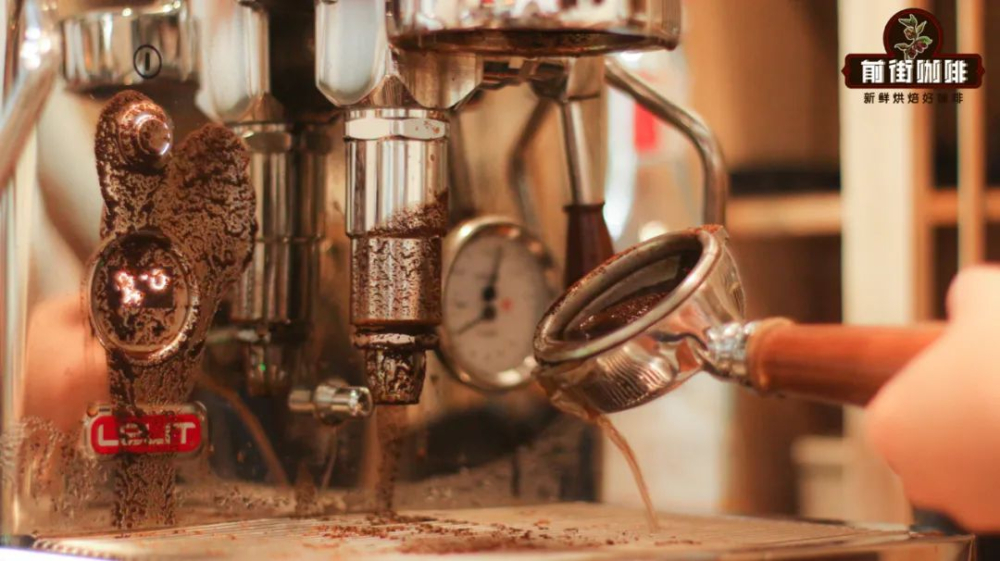
Next, we move on topressure crises during the extraction process, which is the most common and dangerous scenario for explosions. When you observe no liquid coming out from the bottom of the portafilter basket, or the pressure gauge needle remains stuck above 9 bars for an extended period, it is usually due to two major technical errors: first, the coffee grind is too fine (it is recommended to use a standard #20 sieve for testing, with a desirable pass-through rate of 70–75%), as overly compacted coffee particles create a dam-like blocking effect; second, the dose of coffee is excessive (the standard single shot dose is 7–9 grams, and 14–18 grams for a double), where too much coffee compresses the puck density, significantly reducing the water flow channel area. If you notice that the extraction flow rate is noticeably slower than normal (ideally, a single shot should take 25–30 seconds to extract 30 ml), you should immediately stop the process and check the grind size and coffee dose.
Another easily overlooked but critical detail isthe locking strength of the portafilter. Most commercial machine group heads use a spring-loaded latch design, and you must hear a clear "click" sound and feel noticeable resistance to confirm that it has reached a safe locking force (it is recommended to apply about 3–4 kg of pressing force). In practice, it is advisable to use the "double confirmation method": first lock the portafilter with normal force, then rotate it an additional 15–20 degrees to ensure the latch is fully engaged. This can effectively prevent mid-extraction ejections caused by insufficient locking.
Finally, let’s explorethe potential risks during cleaning and maintenance. Many users, when performing deep cleaning of the group head, often use a blind filter basket without holes along with specialized cleaning powder, leveraging the machine’s back-suction function to remove internal residues. However, a common mistake is allowing the machine to run for longer than the specified time (it is recommended that a single cleaning cycle does not exceed 30 seconds), leading to pressure that cannot be released in time and accumulates excessively. The correct procedure is as follows: evenly fill the blind basket with cleaning powder (recommended dosage: 10–12 grams), securely lock the portafilter, and start the extraction. After every 10 seconds of water release, pause the machine and wait 5 seconds for the pressure to dissipate naturally. Repeat this cycle three times to achieve effective cleaning while ensuring the system pressure remains within safe thresholds.
In summary, preventing espresso machine portafilter ejection accidents requires establishing three lines of defense: regularly checking the functionality of the machine’s pressure relief valve, strictly adhering to the golden ratio of coffee-to-water ratio and grind size, and developing the habit of double-checking before and after operation. Through these professional-grade preventive measures, not only can the long-term stable operation of the equipment be ensured, but more safety can also be added to each coffee-making session.
The above content is compiled by CoffeeHunters, a coffee news website.


