







Introduction:How did a Tesla Cybertruck transform into a mobile coffee shop in a farmers' market? This Chinese-American couple, formerly in the tech industry, started with an office coffee club, then moved on to roasting their own beans, and eventually converted an electric pickup truck into a mobile café. In addition to sharing how they overcame power supply limitations at the farmers’ market, this article also analyzes the advantages and challenges of using an EV platform for on-site brewing, and offers practical advice on small-batch roasting and outdoor operations.
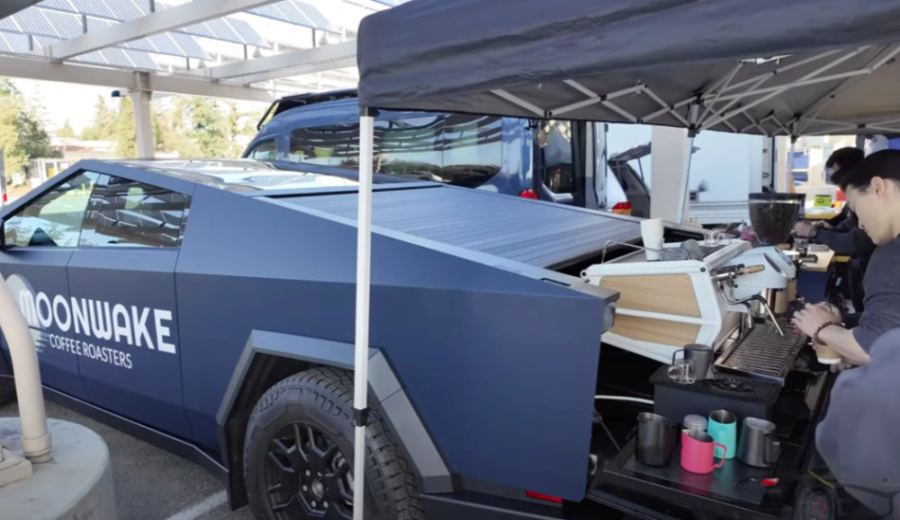
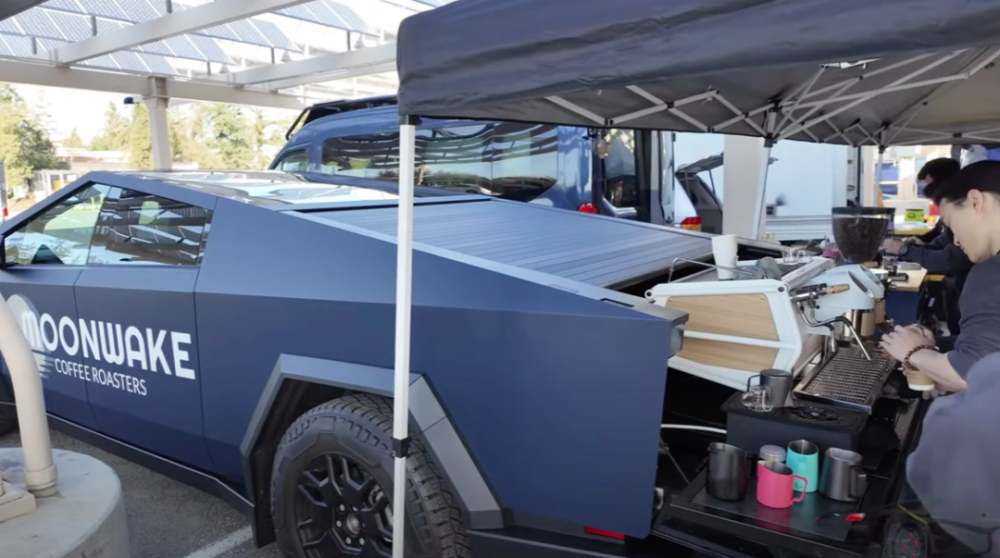
At the Cupertino Farmers Market, a futuristic-looking Tesla electric pickup truck, the Cybertruck, became the center of attention—not just because of its cutting-edge design, but also because it housed a professional espresso machine in the back seat. The owners of this mobile coffee truck are a Taiwanese-American couple: the husband, Ming Wu, is a former Tesla engineer, and the wife, Maybo Yang, has a background working at Meta.
They grind and brew fresh coffee beans from their own roasting brand, Moonwake Coffee Roasters, offering both pour over and espresso drinks on-site. It all started when Wu, under workplace stress, formed a small coffee circle with colleagues and bought simple equipment to unwind—only to unexpectedly discover a passion for coffee roasting.
In early 2020, unable to find coffee beans that matched their taste preferences, the couple decided to roast their own. Starting with small home batches for family and friends, they gradually honed their sensitivity to flavor profiles and roast curves. Last July, they set up a permanent stall at a local farmers’ market, but faced significant infrastructure challenges.
Farmers’ market regulations prohibit the use of gasoline generators, so they had to rely on pre-charged mobile battery packs, transporting their equipment with a fuel-powered pickup. Preparing power supplies before each day’s operation consumed a lot of time, resulting in low efficiency and limiting possibilities for expanding their equipment.
“We need a stable 240-volt power supply for commercial-grade espresso machines, and the traditional solutions were just too inconvenient,” Wu explained. After evaluating various options, he had a breakthrough idea: “Why not use our own Tesla electric pickup?”
The Cybertruck not only delivers the exact voltage parameters required by the espresso machine, but its vehicle structure also creates a unique interactive experience—customers can watch the entire process of grinding and brewing, breaking down the barrier often found in traditional food trucks. Wu added that the highly recognizable design of the vehicle unexpectedly became a marketing asset, even attracting coffee enthusiasts who traveled from as far as Sacramento.
However, the electric pickup coffee truck also has clear limitations: the open-air environment doesn’t allow for indoor seating, and revenue is heavily dependent on weather conditions. Additionally, the highly distinctive vehicle itself elicits mixed reactions—some consumers may develop biases based on its appearance, which can indirectly affect their perception of the coffee quality.
Currently, the couple have left their previous tech jobs to focus entirely on their coffee business. Future plans include leveraging the mobility of the electric vehicle to set up seasonal pop-up shops around Yosemite National Park, and opening a dedicated roastery in western San Jose by the end of the year to further refine the full quality control chain—from green bean selection to roast profiling.
This case not only demonstrates the innovative potential of the electric vehicle platform in the foodservice industry, but also provides flexible outdoor operation solutions for small-scale roasters—especially suited for supplying coffee in temporary venues such as farmers’ markets and music festivals.
The above content is compiled by CoffeeHunters, a coffee news website.


