








Introduction:In the context where single-staff operations have become the norm at coffee shops, employees often face the dilemma of balancing bathroom needs with work responsibilities. This article delves into the phenomenon where staff from brands such as Luckin and Manner are forced to temporarily suspend business due to understaffing, analyzes the underlying management conflicts, and shares practical coping strategies to help readers understand the real challenges faced by baristas in the workplace.
At many Luckin Coffee outlets, it is common for only one employee to be on duty. When nature calls, taking a short break to use the restroom becomes a major challenge: the receipt printer keeps spitting out orders, customers and delivery riders wait at the counter, and negative reviews directly impact salary assessments, putting immense pressure on the staff. To be able to attend to personal needs without worry, some employees choose to forcibly shut down both online and offline order-taking systems; others indirectly halt operations by stopping the water supply or pausing coffee bean refills.
One employee described that as soon as he left the counter to go to the restroom, he returned to find a long string of orders printed by the receipt machine, with several customers and delivery personnel already gathered at the counter waiting for their orders. Even if he wanted to return to work immediately, a brief absence could still result in negative feedback, affecting overall performance and income. As a result, many Luckin employees adopt the most direct solution — “forcing a store closure” — to ensure they can use the restroom without interruptions.
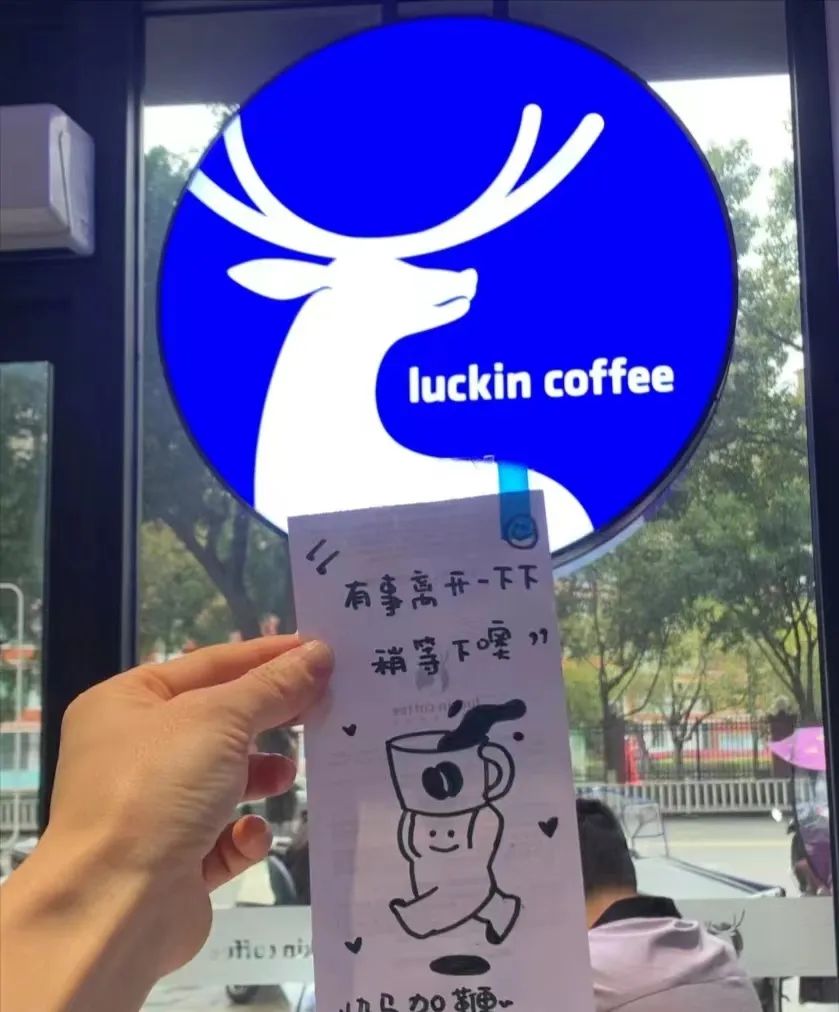
The so-called forced closure refers to the action where an employee, when certain they need to step away from the counter for a short time, actively disables the online order receiving function. This prevents customers from placing orders through either delivery platforms or the official mini-program. This approach avoids a continuous influx of new orders, allowing the employee to focus on attending to personal needs without being rushed. One employee admitted: “Only by forcing a store closure can I truly go to the restroom without any worries.”

However, forced closure isn’t viable for every outlet, so more employees opt for “indirect closures” such as cutting off the water supply or pausing coffee bean replenishment to achieve the same effect of temporarily stopping orders. In addition, some employees will post clear notices when stepping away from the counter or take the shop’s mobile phone with them to monitor the counter situation and return immediately if anything unusual occurs.
Even with such caution, many employees still dare not drink much water during work hours, fearing that frequent bathroom breaks might affect work efficiency and evaluations. Some early-shift workers said they even control their breakfast and water intake just to minimize the number of times they leave the counter, in order to handle the peak-hour order pressure steadily.
It’s worth noting that this predicament is not unique to Luckin. Staff at other chain brands such as Manner and Cotti also face similar challenges. In order to maintain serving efficiency and service quality, they often dare not leave the counter lightly, and even when unexpected situations arise, they have to handle them alone, sometimes facing subsequent questioning from management.
In an effort to control costs and boost profits, brands often opt to reduce the number of staff per shift. While this saves on short-term operational expenses, in the long run, frequent store closures or service interruptions caused by understaffing may actually damage brand reputation and customer experience. Striking a balance between cost control and service quality has become an urgent issue for coffee businesses to address.
Industry insiders point out that in the future, optimizing shift scheduling, adding flexible staffing support, or implementing smarter order distribution mechanisms could help alleviate staff pressure while maintaining stable store operations. For consumers, understanding the actual working environment of shop employees and showing appropriate understanding is also an important part of building a positive customer relationship.
The above content is compiled by CoffeeHunters, a coffee news website.


