







Introduction:Want to learn how one of the world’s top coffees—Kona coffee—comes to be? This article takes you deep into the Kona region of Hawaii’s Big Island, exploring everything from its geography, climate, and historical background to the Typica variety and washed processing method. We offer a comprehensive breakdown of this specialty coffee renowned for its clean and gentle flavor profile. Whether you’re a coffee enthusiast or industry professional, you’ll find practical inspiration for bean selection and tasting here.
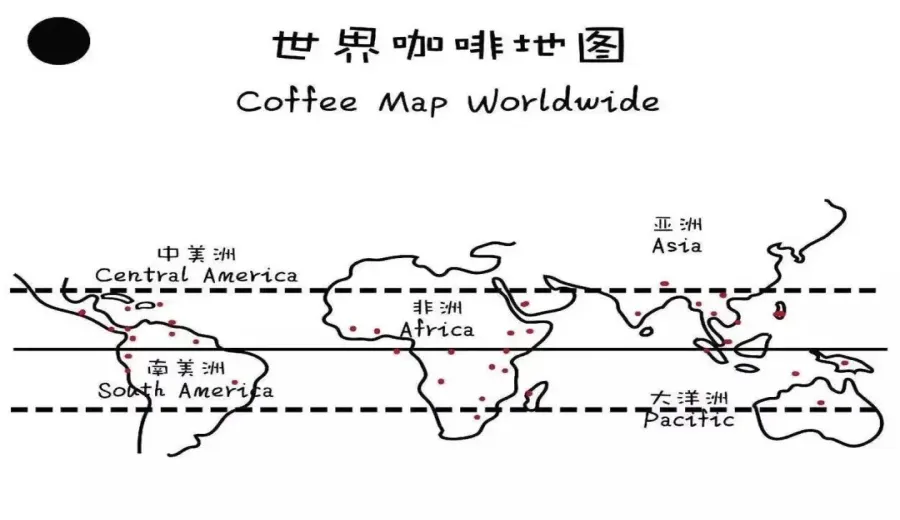
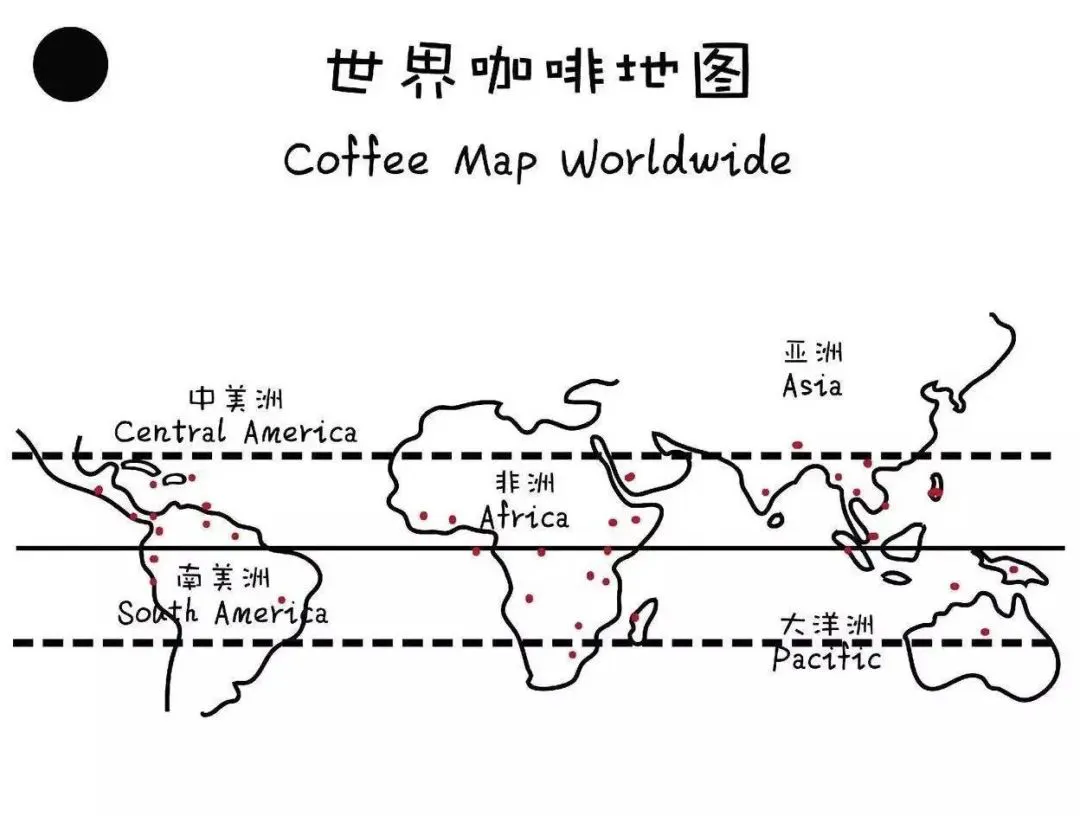
Coffee trees typically grow in tropical regions between the Tropic of Cancer and the Tropic of Capricorn, commonly known as the “coffee belt.” Most parts of the continental United States are not suitable for coffee cultivation due to climate factors. However, Hawaii, an archipelago formed by Pacific volcanoes, has leveraged its unique geography and microclimates to successfully nurture world-renowned Kona coffee.
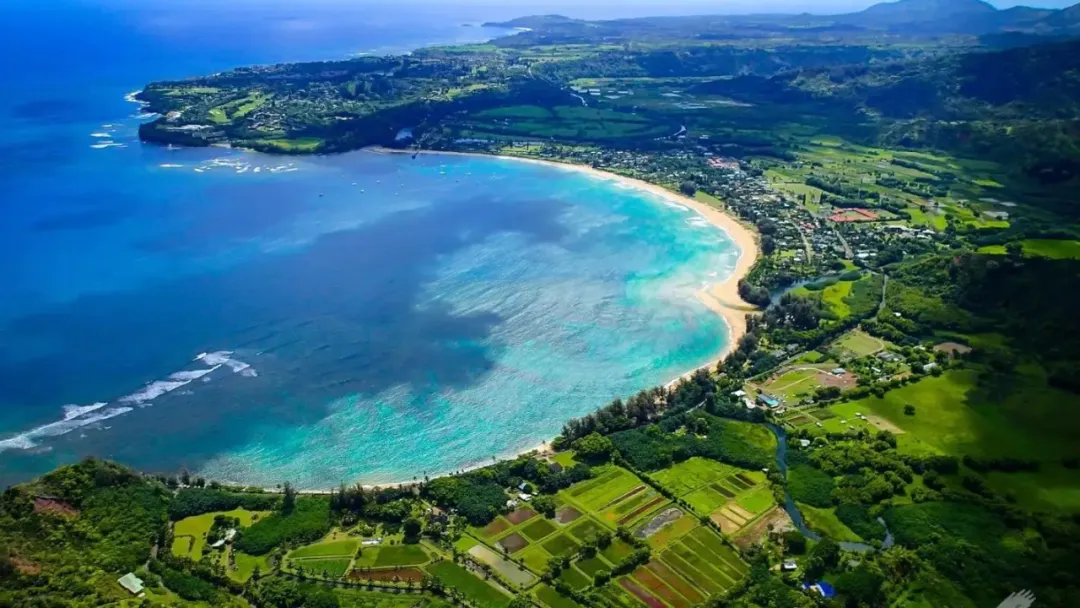
Kona coffee is primarily grown on the volcanic slopes of Hawaii’s Big Island (also called Hawaii Island). These areas boast fertile volcanic soil, ideal elevation, and stable climates, all of which contribute to Kona coffee’s distinctive flavor characteristics. It’s especially worth noting that the planting and harvesting of Kona coffee are almost entirely done by hand—an increasingly rare practice in today’s largely mechanized coffee industry.
Hawaii is an island state composed of eight main islands and 124 smaller ones, located approximately 3,700 kilometers from the U.S. mainland. Among them, the Big Island is the largest and most volcanically active, with two active volcanoes still present today—Kīlauea and Mauna Loa. The island enjoys a typical tropical maritime climate, with year-round temperatures stable between 26°C and 31°C, minimal day-night temperature variation, and well-regulated humidity and warmth due to monsoons. This makes it highly suitable for growing certain delicate crops, including coffee.
As early as the beginning of the 19th century, coffee was introduced to Hawaii by European immigrants, initially planted on Oahu. By the late 1820s, the Bourbon variety had been brought to the Big Island, and within the following decade, the first coffee-focused plantations were established. During a period when Brazil experienced severe frost that led to a global coffee shortage, Hawaii’s coffee output peaked at 6,803 tons. However, with changes in the international market and the rise of the specialty coffee trend in the late 20th century, Hawaiian coffee gradually shifted toward high-quality production. Yet, due to high labor costs and limited arable land, its overall production has remained on a small-scale level.
When talking about Hawaiian coffee, one cannot overlook the most iconic “Kona Coffee Belt.” This designation is strictly protected, and only coffee grown in specific areas—mainly on the volcanic slopes of Hualalai and Mauna Loa—can be called Kona coffee. These regions mostly lie at elevations between 600 and 1,100 meters. While not considered extremely high by global standards, these altitudes are ideal for cultivating the Typica variety within Hawaii’s tropical environment.
Coffee farming in the Kona region faces one major challenge: the steep slopes of the terrain make it impossible to use large agricultural machinery. As a result, every step—from planting and pruning to harvesting—is carried out manually. This not only increases production costs but also means each coffee bean carries the mark of human effort. Moreover, Kona coffee is generally processed using the washed method, fermenting and washing the beans with the area’s clear, sweet mountain spring water. This process effectively removes the mucilage and helps the beans retain a cleaner, brighter flavor profile, while also giving them a smoother, more translucent appearance.
Currently, the Kona region mainly cultivates the Typica variety, a classic Arabica heirloom type introduced from Guatemala in the 1890s. Typica beans are relatively large, grow more slowly, and have higher environmental demands. But these traits also allow them to express delicate acidity and rich complexity. In Kona, Typica thrives in moderate elevations and mineral-rich volcanic soil, producing a unique flavor profile with citrus and stone fruit aromas, and a sweet, lightly spicy finish.
Interestingly, attempts have been made in the past to transplant Kona’s Typica to other regions, but these often failed due to insufficient altitude or excessively high temperatures, resulting in subpar flavor performance that couldn’t replicate Kona coffee’s soft, refreshing acidity and balanced taste. For this reason, Kona coffee is more than just a place name—it is a model of specialty coffee, meticulously shaped by its geography, variety, and craftsmanship.
The above content is compiled by CoffeeHunters, a coffee news website.


