








Introduction:Explore the coffee mysteries of Bolivia, a landlocked South American country, from the varied altitudes of the Yungas region to the distinctive Java variety, and understand how its unique geographical conditions create profound flavors. This article delves into the characteristics of three major producing regions, the primary cultivated varieties, and the key factors influencing flavor, providing you with practical knowledge for selecting and appreciating Bolivian coffee.
Among the many coffee-producing countries in South America, Bolivia, as a landlocked nation without a coastline, consistently produces high-quality coffee beans thanks to its exceptional altitude conditions and unique microclimates. Over 90% of the country’s coffee output comes from the Yungas region, located on the eastern foothills of the Andes Mountains. This area is not only the country’s primary coffee belt but also home to a variety of specialty coffees with vastly different profiles.
In addition to Yungas, Copacabana and La Paz Caranavi are also important producing areas, each imparting distinct personalities and layers to their coffee beans due to differences in geography and climate. Especially at altitudes between 800 and 2,500 meters in mountainous environments, the significant day-night temperature variation helps coffee cherries ripen slowly, accumulating rich sugars and aromatic compounds.
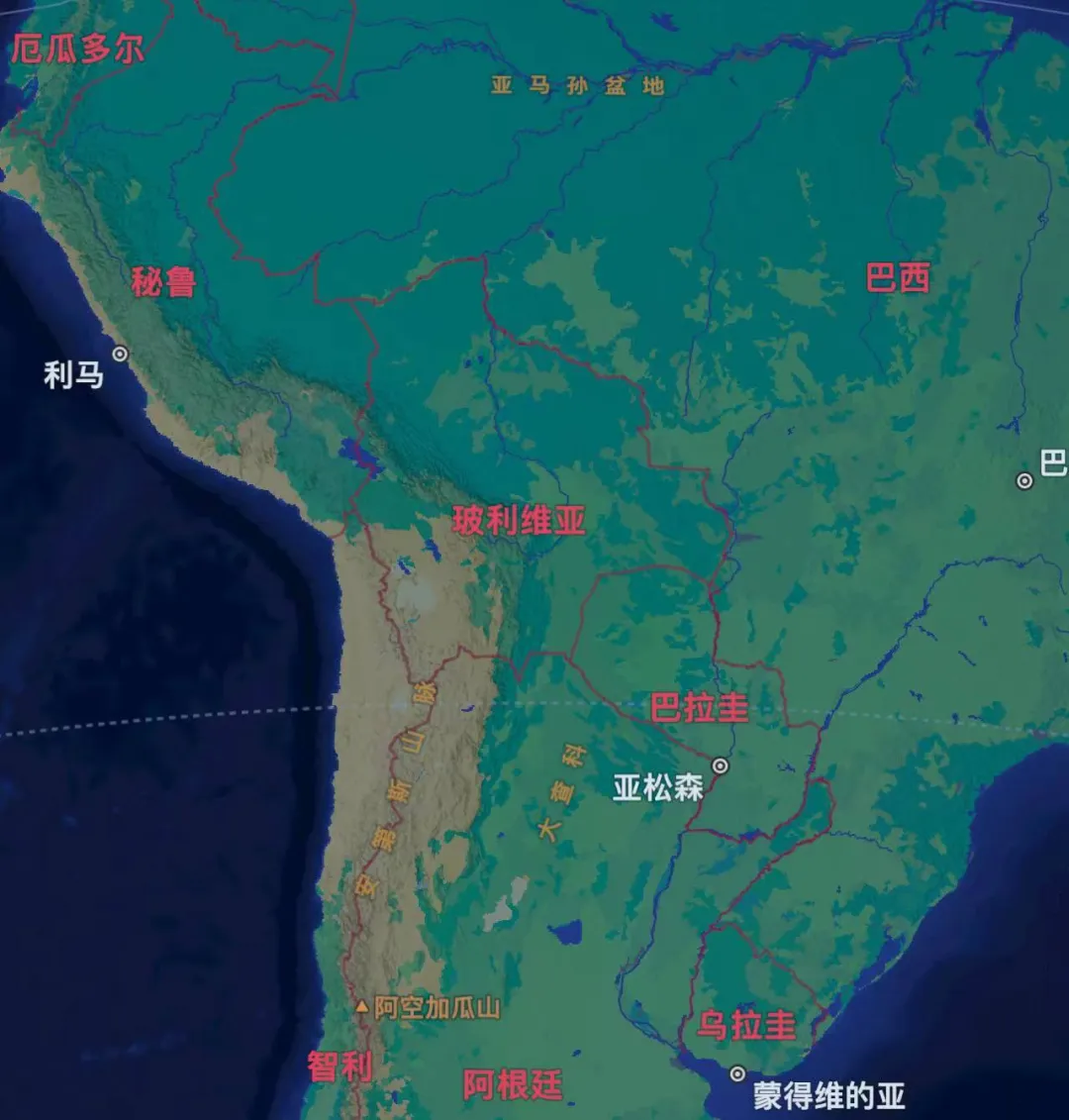
The Yungas region is not only Bolivia’s oldest coffee-growing area but also the core source of its specialty coffee. Nestled in the mountains on the eastern side of the Andes, this rugged and hard-to-access terrain means that harvested coffee cherries must be laboriously transported to the higher-altitude city of La Paz for post-harvest processing. The road between Yungas and La Paz, known globally as the “Death Road,” stretches 90 kilometers and rises sharply from 1,200 meters to 4,650 meters in elevation. With treacherous curves and little protection, it has nonetheless helped preserve this pristine coffee-growing environment. Coffees from this region often feature intense black fruit and berry aromas, coupled with soft citrus acidity and a rich sweetness, making them ideal for coffee lovers who enjoy complex flavors.
The Copacabana region is located in western Bolivia, near Lake Titicaca—one of the highest-altitude lakes in the world. The lake maintains a surface temperature of 10–14°C year-round, and the surrounding humid air provides ideal growing conditions for coffee trees. Coffees from this area often exhibit bright acidity and refreshing floral notes, making them an excellent choice for those who prefer a fresh-tasting cup.
La Paz Caranavi is situated north of Yungas and, although also part of the Andean hillside terrain, generally has a slightly lower altitude of around 1,500 meters. As a result, the flavor complexity of its coffees is somewhat less than that of Yungas, but the chocolate notes are more pronounced, with a smooth and full-bodied mouthfeel—ideal for drinkers who enjoy a rich body and warm flavors.
In terms of varieties, Bolivia primarily cultivates traditional Typica and Caturra, but one particularly standout variety is Java. This variety was first introduced to the island of Java in Indonesia from Ethiopia in the early 19th century, and was once mistaken for Typica. It gained attention when planted in Cameroon due to its high resistance to coffee berry disease, and was later introduced to Central and South America. Java beans and seeds are slightly elongated, with young shoots exhibiting a distinctive brass color. The plants are tall but have relatively low yields per unit, yet they deliver highly distinctive flavor profiles.
Java variety coffees often feature low acidity, a full body, and rich caramel and spice notes. Their flavor complexity rivals that of well-known high-priced varieties such as Geisha, while also offering stronger resistance to common diseases like leaf rust and coffee berry disease. This makes Java particularly suitable for small-scale farmers with limited resources. If you’re looking for a coffee that combines stable flavor with unique character, the Java variety is definitely worth exploring and tasting.
The above content is compiled by CoffeeHunters, a coffee news website.


