







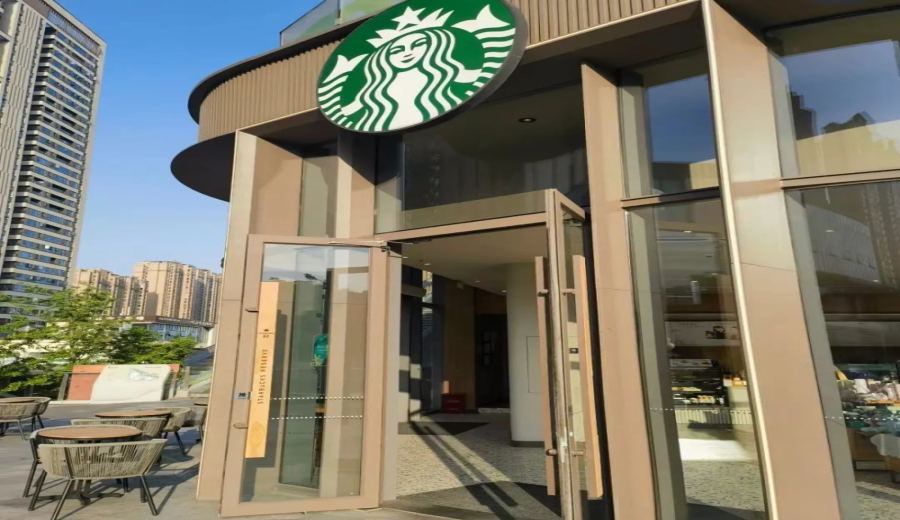
Introduction:Recently, Starbucks has required multiple stores to keep their doors wide open during business hours, a move that has drawn considerable complaints from both employees and customers. Beyond practical issues such as loss of air conditioning and invasion by insects, it also reflects the brand’s performance pressure in the Chinese market. This article delves into the background, implementation status, and impact on brand image of the “open-door” policy, while offering practical insights for store operations.
For a long time, Starbucks has centered its brand philosophy around the concept of the “third space,” striving to create a comfortable and relaxing environment for coffee consumption and social interaction. However, recently, many Starbucks outlets in various cities have received company directives requiring them to keep their doors fully open during operating hours, allowing customers to enter without pushing the door. Although this new measure is intended to boost foot traffic, it has also brought about problems such as loss of air conditioning, outdoor noise interference, and even insect intrusion, triggering strong feedback from both staff and consumers.
During hot summer months, indoor air conditioning quickly escapes through open doors, not only affecting customers’ dining experience but also increasing the store’s energy consumption. In addition, street noise more easily filters into the shop, disrupting the originally quiet and comfortable atmosphere. Even more troublesome for employees is that insects such as flies and mosquitoes take the opportunity to fly in, sometimes even landing near drinks or food, leading to a constant stream of customer complaints.
In response to dissatisfaction among frontline staff, Starbucks management explained that the policy is mainly driven by concerns that closed doors might lead passersby to assume the store is closed, thereby reducing the number of visitors. Therefore, they hope to convey the message that the store is open and welcoming through the approach of “doors always open.” However, actual implementation will still be adjusted according to the specific conditions of each outlet.
From the consumer perspective, many have noticed that they no longer need to push the door when entering Starbucks. Though this change may seem minor, it feels somewhat unfamiliar to some. Some customers have found insects flying inside the store, and some have even seen flies landing next to their drinks—details that directly affect customers’ impressions of the brand’s hygiene and service quality.
The industry generally believes that Starbucks’ “doors always open” policy actually reflects the brand’s weak sales performance in the Chinese market. According to recently released financial data, Starbucks’ revenue in China shows a declining trend, with the brand facing fierce competition from local coffee chains and emerging beverage brands. Against this backdrop, management is attempting to stimulate foot traffic through simple store operations, but the effectiveness remains to be seen.
Some netizens have bluntly stated that what deters customers from entering Starbucks is often not whether the doors are open, but its relatively high product prices. Compared to other more affordable domestic coffee brands, Starbucks lacks price competitiveness, and even with round-the-clock open doors, its appeal remains limited for non-brand-loyal customers. Some comments even jokingly suggest, “Is the next step going to be having greeters clap at the entrance to welcome people in?”
From rumors of trialing a “seat-first ordering” system to the current “doors always open” policy, Starbucks is undergoing a series of adjustments in the Chinese market. However, whether these changes can effectively reverse the declining performance trend remains highly challenging. Starbucks outlets, once bustling with customers, now see less foot traffic in some commercial areas compared to the past. How to re-attract customers in an increasingly competitive environment will be a key challenge for the brand in the future.
In summary, although Starbucks’ “doors always open” policy was initiated to boost store entry rates, its practical execution has faced numerous issues. Both the working environment for employees and the consumption experience for customers have been affected to varying degrees. Whether Starbucks can find more effective operational strategies while maintaining its brand identity will be a key point of observation moving forward.
The above content is compiled by CoffeeHunters, a coffee news website.


