








Introduction:Every year when Starbucks’ Ice Cream Zongzi go on sale, the brand’s stores face a major sales challenge. This year, although the flavors have been improved, consumers’ impressions of these small zongzi remain unchanged, putting extra pressure on the staff. To meet sales targets, employees are pulling out all the stops—from buy-one-get-one promotions, hand-painted custom bags, to eye-catching marketing copy, and even subsidizing the price out of their own pockets. Meanwhile, scalpers are taking advantage of the situation by buying discount vouchers at low prices and reselling them for profit. Recently, the brand seems to have stepped up its efforts to crack down on such violations. This article takes an in-depth look at the sales battle centered around Starbucks Ice Cream Zongzi.
Whenever Starbucks’ Ice Cream Zongzi are launched, the brand’s stores enter their annual high-stakes sales battle. This year, although the company has made some improvements to the flavors, many consumers still hold deeply rooted impressions of these small desserts, making it tough for frontline staff to promote them. To hit sales targets, employees are getting creative—offering “buy a bag, get a zongzi free,” hand-drawing custom tote bags, crafting catchy slogans, and even subsidizing the price themselves. At the same time, scalpers have set their sights on the voucher market, buying low and selling high for profit, drawing the brand’s attention. Recently, there have been reports of stricter internal measures to combat such irregularities.
As soon as this year’s Ice Cream Zongzi went on sale and in-store sampling was offered, Starbucks partners were thrown into another round of promotional tug-of-war. Although the brand has adjusted the flavor profiles this year, given past consumer reluctance toward these small treats, many staff still see selling them as a “major test.” At the end of each day, they just hope to get some rest. But there’s no room for relaxation—they must keep recommending these colorful little desserts to every customer who walks in. Phrases like “Hi, our Ice Cream Zongzi are now available. They have a unique taste—want to try a box?” have become almost standard opening lines.
The “buy a bag, get a zongzi free” strategy that successfully boosted sales last year has once again become a key promotion tactic in many stores this year. Resourceful staff are flexing their creativity again, redesigning the free tote bags and displaying their unique works in prominent spots to catch customers’ eyes. And if customers don’t like the designs on the bags? No problem—some store partners even offer free custom artwork based on customer preferences. Whether it’s drawing anything you want, the goal is to boost purchase intent and encourage customers to take home an extra box of Ice Cream Zongzi.
But for those less handy with crafts, DIY presents a real challenge. Employees who aren’t skilled in arts and crafts have taken a different approach, using eye-catching ad copy to attract attention. Examples include: “Being bullied at work… Buy my zongzi and hear my revenge plan,” “So ridiculous—I got fired… Buy Ice Cream Zongzi and help me start over,” and “I lied to my parents… I miss home, I miss mom and dad, but even more, I want to buy Ice Cream Zongzi.” While these exaggerated marketing lines did stop some passersby to take a look, their actual impact on sales was quite limited. In the end, the key to really convincing consumers to open their wallets lies in the product’s value for money.
As a result, many staff opt to “subsidize the price out of their own pockets.” Originally priced at 198 RMB, Starbucks Ice Cream Zongzi often end up being discounted by dozens of RMB through various promotions. Some even come with complimentary drinks or small gifts to sweeten the deal. One customer who took shelter from the rain at Starbucks was approached by an enthusiastic staff member. After a sincere pitch, the customer not only bought a box of Ice Cream Zongzi but also walked away with two extra small gifts.
On the other hand, savvy scalpers have also spotted this sales boom and joined the fierce competition for Ice Cream Zongzi. Through certain channels, they buy discount vouchers at low prices and resell them on other platforms at a markup, pocketing the difference. This unusual flow of profits naturally caught the attention of the business, but under the dual pressure of meeting performance goals and sales targets, the brand has mostly turned a blind eye to scalper activities that contribute to the sales numbers.
However, social media users have reported that Starbucks may be cracking down internally on violations in the Ice Cream Zongzi sales process, while also investigating scalper practices of reselling vouchers. Some analysts believe this could be due to scalpers disrupting the market pricing of Ice Cream Zongzi, which in turn affects the brand’s interests—prompting the company to launch an internal investigation. After all, Ice Cream Zongzi are already hard to promote because of their unique flavor profile, and with scalpers further muddying the waters, many Starbucks employees admit that these zongzi are becoming increasingly difficult to sell.
Overall, the Ice Cream Zongzi sales season is not only a test of the brand’s ability to promote new products, but also a reflection of the ongoing struggle between employee creativity and market chaos in the retail environment.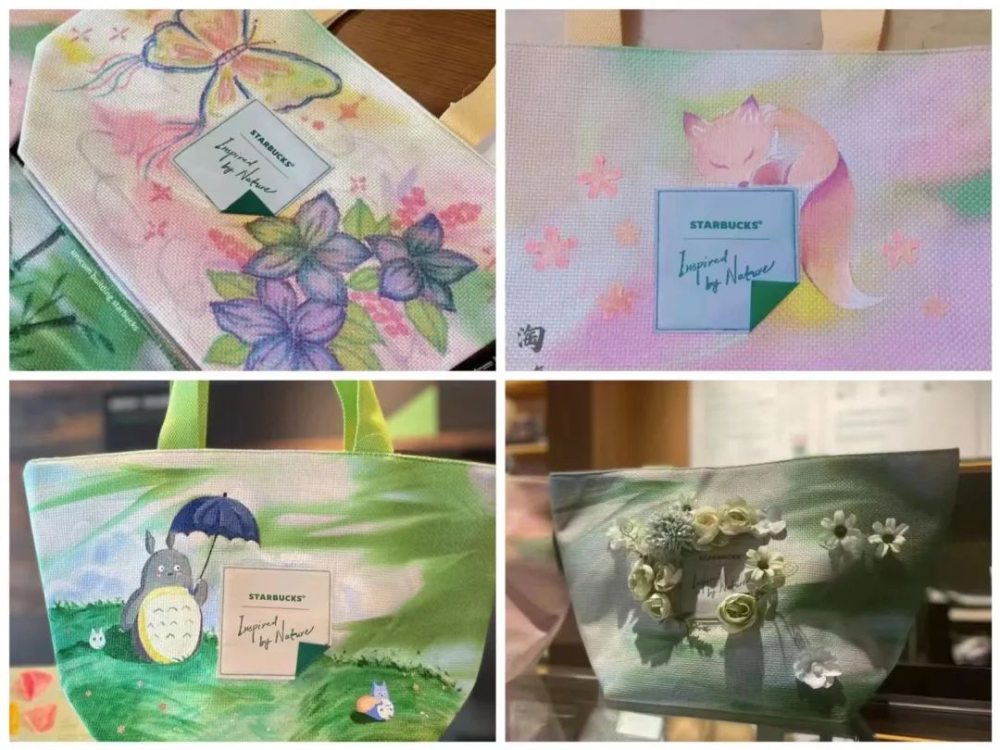
The above content is compiled by CoffeeHunters, a coffee news website.


