







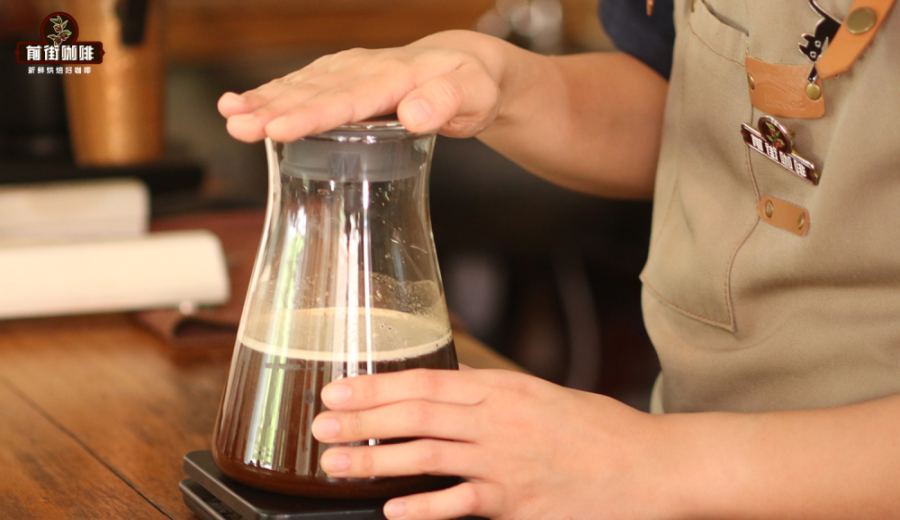
Introduction:Want to easily make cold brew or iced drip coffee at home but unsure how to control extraction time, choose the right grind size, or worried about short shelf life? This article dives deep into the preservation principles, optimal flavor periods, and how to adjust grind size and water temperature based on different beans. It takes you through the complete process from making to enjoying, allowing you to create café-quality iced coffee at home.
As summer arrives, the refreshing yet flavorful cold brew and iced drip coffee have become the top choice for many coffee enthusiasts. But how long can these low-temperature extracted coffees be stored after brewing? How should you adjust grind size and steeping time at home to bring out the best flavors? This article will explore everything from the shelf life of cold brew and iced drip, the effects of refrigerated aging, the influence of bean varieties on flavor, to practical extraction parameters and grind recommendations, all explained with real home-brewing experiences to provide useful, everyday guidance.
Many people enjoy DIY cold brew at home, and what’s most appealing is its simplicity. Just mix coarsely ground coffee powder with cold water the night before, let it steep in the fridge for about 12 to 24 hours, then filter and enjoy. No complicated equipment is needed, nor do you have to constantly monitor heat or water flow. It easily replicates the classic café flavors and is perfect for busy people or beginners trying cold brew for the first time.
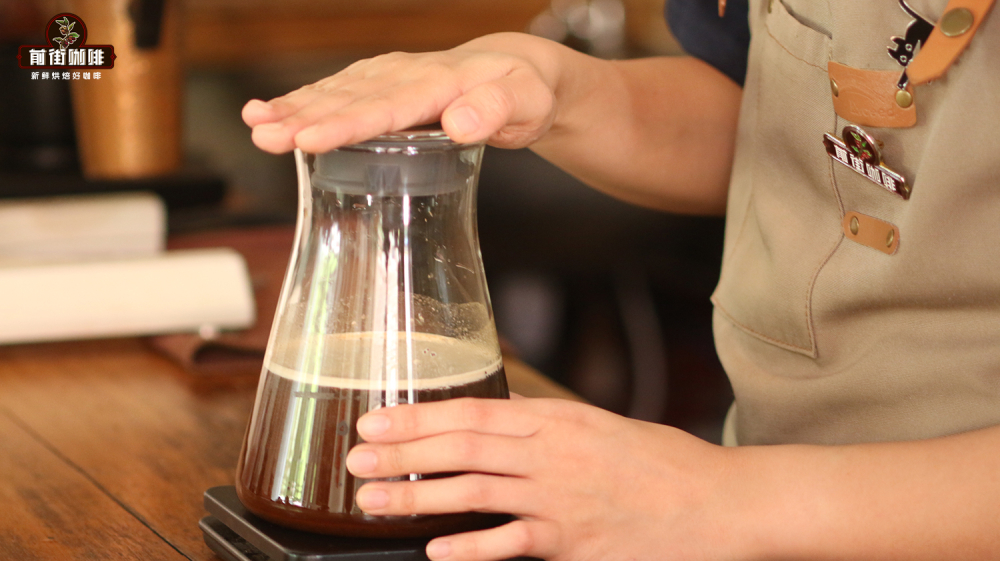
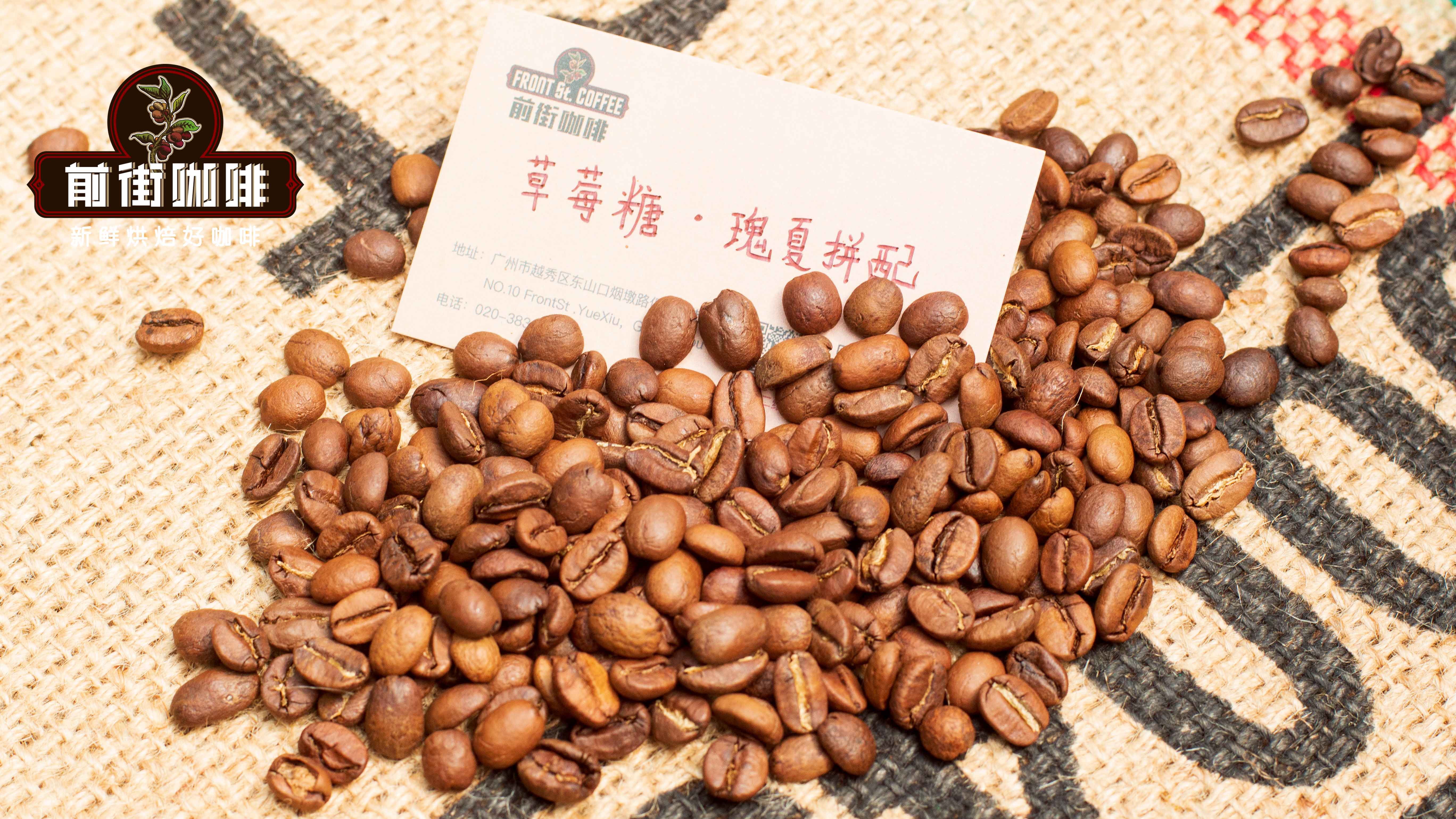
Unlike traditional high-temperature extraction methods, cold brew and iced drip use low-temperature slow extraction, which reduces the risk of over-extraction while highlighting softer, sweeter flavor profiles in the coffee. For example, using beans from the Kenyan region, cold brew often brings out distinct sweet and sour notes, such as sour plum, cherry, and subtle fermentation aromas—traits that are less noticeable in pour over or French press. If you choose beans with prominent strawberry sugar notes, you can enjoy a delicate combination of grape, apricot, honey, and floral flavors, making it very suitable for summer iced drinks.
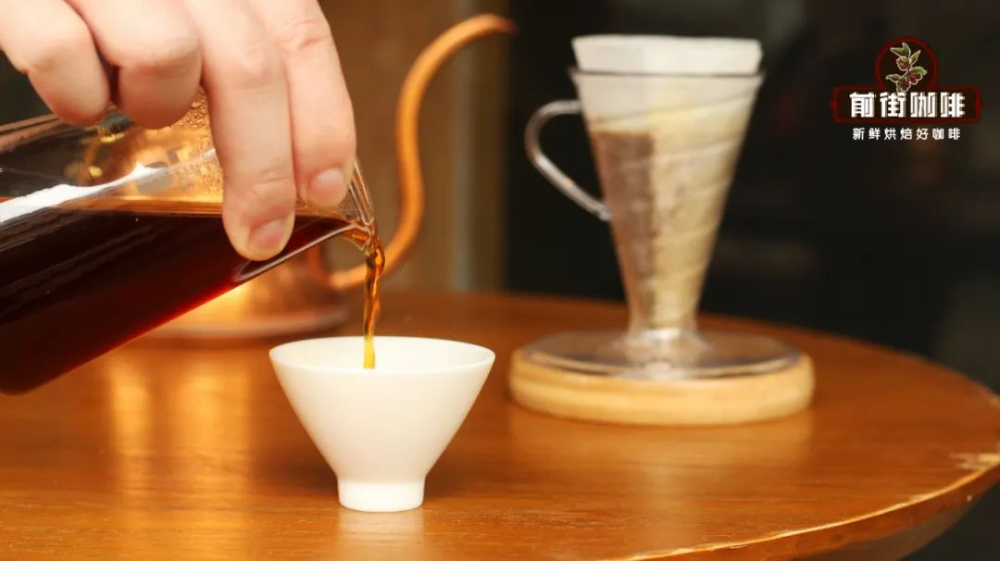
The biggest difference between cold brew and iced drip lies in the extraction method: cold brew usually involves directly steeping coffee grounds in a large amount of cold water and letting it sit for several hours before filtering; whereas iced drip involves slowly dripping ice water over time, extracting flavors gradually over several hours or even a whole day. Both are performed in a low-temperature environment, allowing the volatile aromatic compounds in coffee to be preserved longer and not easily lost due to rising temperatures.
However, even though a low-temperature environment slows down flavor loss, it is still recommended to pour the brewed coffee liquid into a clean, sealed container and refrigerate it for at least 3 to 4 hours after extraction. This period is known as the "maturation period," which helps flavors meld better while inhibiting the growth of miscellaneous bacteria. Many experienced brewers find that cold brew that has undergone refrigerated maturation tastes smoother, richer, and has fewer off-flavors.
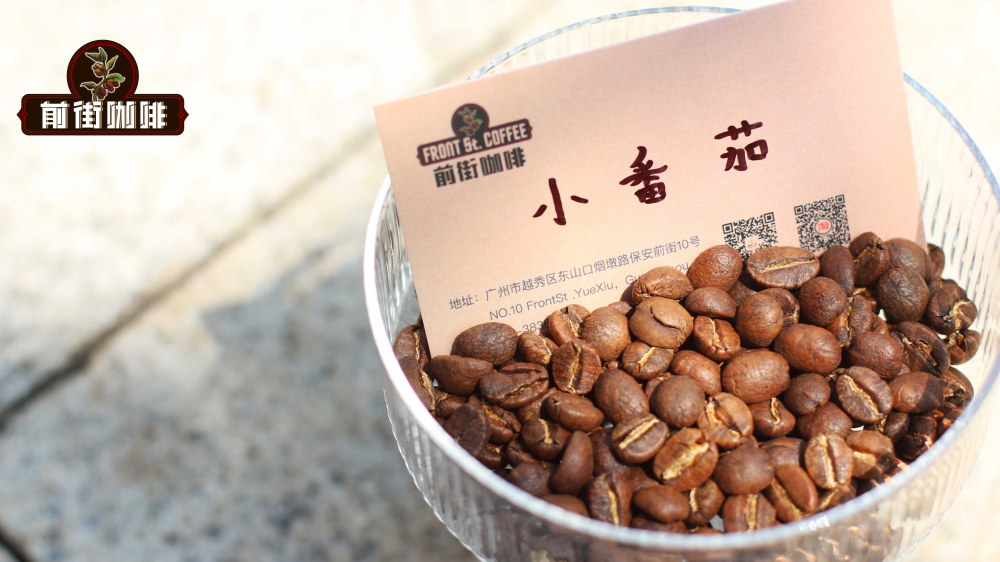
Refrigerated storage is key to extending the flavor shelf life of cold brew and iced drip. However, low temperatures only delay, not completely stop, the processes of fermentation and spoilage. Every time you open the container, oxygen and bacteria from the air can enter, affecting the stability of the coffee liquid. Practical tests show that cold brew and iced drip have the most ideal flavor performance within 1 to 4 days after brewing, with balanced sweet and sour notes and distinct layers. After 5 days, some samples may develop noticeable off-flavors or over-fermentation, so it is recommended to finish drinking within 5 days to ensure safety and taste.
If you use warm water (such as above room temperature) for quick cold brew, the flavor release speed is faster and microbial activity is more active. It is advised to consume it within 2 days to avoid stomach discomfort caused by prolonged storage. In addition, the container must be made of glass or food-grade plastic, ensuring it is fully sealed, and tightly closed promptly after each pour to minimize air exposure.
Regarding grind size, cold brew generally recommends using medium-coarse to coarse grind, similar to the grind level of a French press. Too fine can lead to over-extraction, resulting in bitter and astringent off-flavors; too coarse may under-extract, leading to weak flavors. Iced drip, being an extremely slow drip filtration method, can tolerate a slightly finer grind, but you should still avoid overly dense coffee beds that affect water flow. Common recommendations are a 1:12 to 1:16 coffee-to-water ratio for cold brew, with a steeping time of 12–24 hours; for iced drip, depending on the dripping speed, total extraction time can range from 3 to 12 hours, with a coffee-to-water ratio slightly lower than cold brew, around 1:10–1:14.
In summary, cold brew and iced drip not only have a low barrier to entry but also present flavor profiles distinctly different from hot brew. As long as you master the grind size, coffee-to-water ratio, refrigerated maturation time, and storage duration, you can easily enjoy a fresh, rich cold brew coffee at home. Whether for daily hydration or summer refreshment, it's an option not to be missed.
The above content is compiled by CoffeeHunters, a coffee news website.


