








Introduction:Although espresso is rich and bold in flavor, some enthusiasts find its intense bitterness off-putting. In fact, by simply adding sugar, milk foam, or cream, you can easily adjust its taste and flavor profile to create a coffee beverage that better suits your personal preference. This article will delve into four classic espresso-based drinks — including Cuban Espresso, Espresso Con Panna, Macchiato, as well as the differences between Ristretto and Lungo extractions. Not only will it guide you through the methods and details, but it also provides practical parameters and tips to help you find the most palatable cup.
The unique intensity and slight bitterness of espresso make it a love-it-or-hate-it drink for many. Especially for those new to Italian-style coffee, its strong flavor can be quite intimidating. To make espresso more approachable for everyday drinking, people have developed various flavoring methods that preserve the essence of the coffee while making it more mellow. This article introduces several classic espresso variations — from adding sugar or milk foam, to pairing with cream and adjusting extraction time — each of which can give espresso a fresh new face.
In the past, due to limitations in coffee bean roasting techniques and quality, many espressos had a noticeable burnt or bitter taste, leading some to opt for dark roasts to mask undesirable flavors. However, such approaches often made the coffee even more bitter and harsh on the palate. To address this issue, many coffee enthusiasts began experimenting with adding different ingredients, such as lemon, sugar, or dairy, to soften the taste. Beyond the previously introduced Roman-style Lemon Espresso, there are even more variations worth exploring.
Among these, adjusting the extraction time is a simple yet effective method. For example: Ristretto (Ristretto) is a short extraction version of espresso, with a shorter brew time and less water, resulting in a more concentrated flavor with pronounced sweetness and relatively reduced bitterness; whereas Lungo (Lungo) is a long extraction espresso, with extended brew time and more water. Although the overall strength is lower, the flavor profile is more expansive. The visual differences among the three are clearly shown in the image below. ( )
If you want to adjust the taste more directly, adding sugar is the most common and straightforward method. Whether white sugar or brown sugar, both can effectively neutralize the bitterness of the coffee and make the overall taste smoother. Generally speaking, for a 40ml double shot of espresso, adding about 5g of white sugar can achieve basic balance; if you prefer a richer sweetness, you can increase to 10g or switch to sweeter brown sugar. But if you’re looking for a more nuanced flavor experience, you might try the traditional Cuban method.
Cuban coffee is renowned for being prepared with a generous amount of brown sugar, and it is one of the most iconic variations of espresso. Although traditionally brewed with a moka pot, many enthusiasts today use an espresso base, which better highlights the interaction between the brown sugar and the coffee. The key method involves brewing in stages: first extracting a small portion of espresso and pouring it into a cup pre-filled with a large amount of brown sugar, stirring until the sugar is completely dissolved and the coffee achieves a thick consistency with fine crema. ( ) Then, the remaining espresso is added, mixed evenly, and you can enjoy a drink that is sweet yet bitter, with a rich layered taste.
If you don’t like too much sweetness but still want to ease the strong intensity of espresso, adding a small amount of milk is also a good choice. And Macchiato (Macchiato) is a classic representation of this approach. The term, in Italian, means "spotted" or "marked," originating from early baristas who distinguished “espresso with a bit of milk” from “pure espresso” by placing a small dollop of milk foam on top as a marker. ( ) Over time, this marking method became part of the drink itself, making it a favorite for those who enjoy a hint of milk aroma without straying from the core taste of espresso. In reality, it’s hard to tell whether milk has been added just by looking, which is why the foam is used as an “imprint.”
Finally, if you’re after a velvety texture and mellow sweetness,Espresso Con Panna (or simply Con Panna) is the ideal choice. This classic Italian coffee consists of espresso topped with whipped cream; the creamy smoothness not only softens the bitterness of the coffee but also adds a silky feel and a delicate hint of dairy. The preparation is extremely simple — just add an appropriate amount of whipped cream on top of the brewed espresso, adjusting the thickness to your liking. (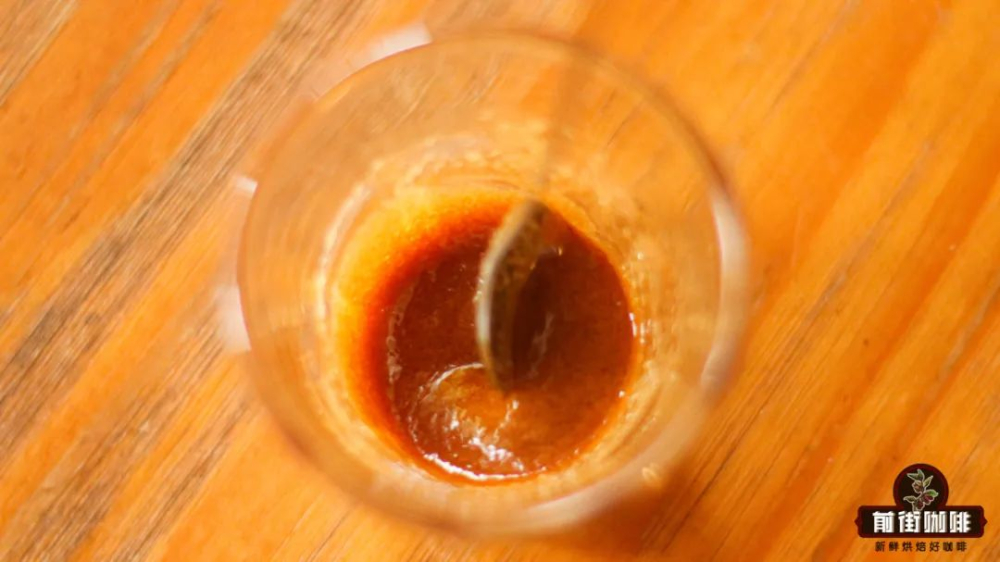 ) It’s important to note that the cream used here should be freshly whipped heavy cream, rather than coffee whitener or other substitutes, to ensure the best possible flavor.
In summary, the world of espresso is not limited to a single bitter taste. Through moderate flavor adjustments and technical variations, whether you prefer sweetness, creaminess, or bold intensity, you can find your own perfect cup. From the caramelized aroma of Cuban Espresso, the velvety whipped cream of Con Panna, the light milk foam of Macchiato, to the extraction tweaks in Ristretto and Lungo — each method has its own unique charm, waiting for you to experience and discover firsthand.
The above content is compiled by CoffeeHunters, a coffee news website.


