







Introduction:Thailand’s coffee industry, blessed with geographical and climatic advantages, has cultivated distinctly different coffee-growing landscapes in the north and south. From high-quality Arabica in the high-altitude regions of the north, to the commonly grown Robusta in the south, and even the rare civet coffee found in few places around the world, each variety carries its own unique story. This article will take you on a deep dive into Thailand’s coffee-growing regions, the characteristics of its main coffee varieties, as well as the rare production process of civet coffee, helping you grasp the essence of this Southeast Asian coffee nation.
As one of the important coffee-producing countries in Southeast Asia, Thailand boasts diverse terrain and climatic conditions that have given rise to two representative major coffee-growing zones in the north and south. The northern regions, such as Chiang Mai, Chiang Rai, and Lampang provinces, benefit from moderate altitudes and significant day-night temperature variations, making them key areas for Arabica coffee production. In contrast, the southern regions, including Chumphon and Surat Thani, provide environments more suited for Robusta, showcasing distinctly different flavor profiles. Additionally, Thailand has garnered global attention among coffee enthusiasts for a truly unique type of coffee — civet coffee.
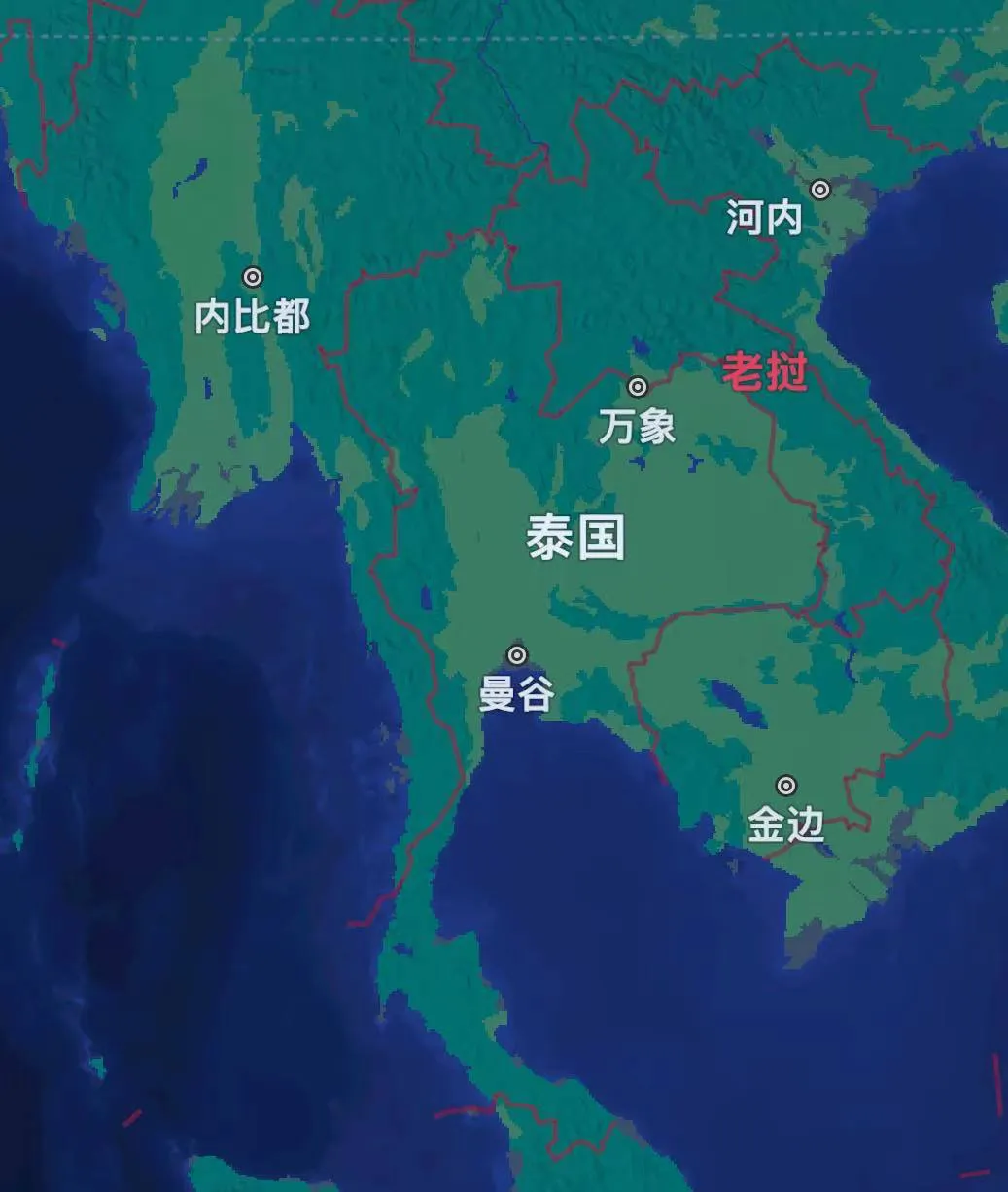
Located in the central-southern part of the Indochina Peninsula, Thailand shares borders with Myanmar, Laos, Cambodia, and Malaysia. The country’s terrain is predominantly a mix of mountains and plains. Most regions experience a tropical monsoon climate, which can be broadly divided into a hot season (February to mid-May), rainy season (June to mid-October), and cool season (November to February of the following year). This climate pattern, combined with the cool environment of high-altitude mountainous areas, provides ideal growing conditions for coffee trees. Especially in the northern mountains, coffee can thrive healthily at elevations between 1,000 to 1,600 meters, accumulating rich flavor compounds.
Thailand’s coffee-growing regions can be clearly divided into two major blocks: north and south. The northern region, including provinces such as Chiang Mai, Chiang Rai, and Lampang, is the primary cultivation area for Arabica varieties. These areas mostly lie at altitudes between 1,000 to 1,600 meters, featuring cool climates and moderate sunlight, which are highly suitable for cultivating high-altitude-resistant and disease-resistant Arabica varieties such as Catuaí, Catimor, and Caturra. These varieties not only offer stable yields but also often exhibit distinct nutty, caramel, and chocolate notes, making them ideal for coffee drinkers who prefer balanced flavors.
In contrast, the southern regions such as Chumphon and Surat Thani, with their lower altitudes, hotter and more humid climates, are better suited for growing Robusta varieties. Robusta typically has a stronger bitter taste and higher caffeine content, and is commonly used in espresso or instant coffee products. Although its flavor profile is not as delicate as Arabica, its bold characteristics still appeal to certain market segments.
Beyond traditional Arabica and Robusta, Thailand also produces an extremely rare and expensive type of coffee — Black Ivory Coffee, commonly known as “civet coffee.” The production process of this coffee is distinctive and complex: fresh coffee beans are first mixed with rice and bananas and fed to elephants. The beans undergo digestion in the elephant’s stomach for approximately 17 hours, during which unique fermentation occurs under the action of gastric acid and enzymes. The beans are then excreted by the elephants. Afterwards, they must be handpicked one by one from the elephant dung, followed by cleaning, roasting, and grinding.
This special fermentation process reduces the protein content in the coffee beans, and since protein is one of the main contributors to coffee bitterness, civet coffee often has a smoother mouthfeel, pronounced sweetness, and unique fruity and herbal notes. However, because the entire process relies entirely on natural digestion and manual sorting, the yield is extremely low, making civet coffee one of the rarest coffees in the world, with a correspondingly high price.
For those who are just beginning to explore Thai coffee, it is recommended to start with Arabica beans from the northern producing regions. These coffees usually have moderate acidity, rich nutty and chocolatey tones, and clear flavor layers, making them excellent entry-level choices for daily drinking and pour over brewing. Whether using a V60, AeroPress, or French press, as long as you control the appropriate water temperature (recommended around 90–93°C) and grind size (medium-fine), you can fully bring out their unique flavors.
The above content is compiled by CoffeeHunters, a coffee news website.


