







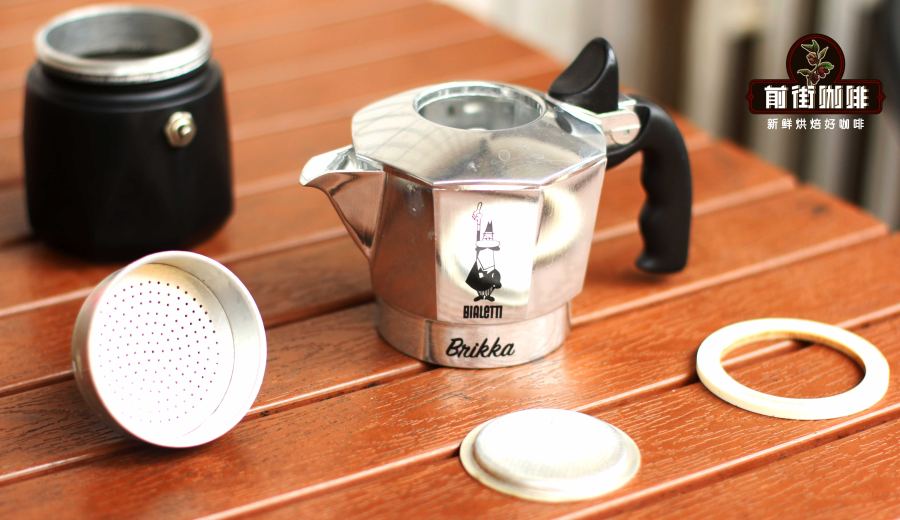
Introduction:Just got your new moka pot? Did you know it actually needs to be “seasoned” to perform at its best? Beyond removing factory residues, the proper seasoning process also helps avoid scalding and explosion risks. This article explains in detail the correct steps for seasoning your moka pot, along with cleaning and maintenance tips, so you can safely and easily enjoy the pleasure of hand-brewed espresso.
Many who have just bought a moka pot might think it’s ready to use after a quick rinse. But did you know? Just like a new iron wok needs to be seasoned, a moka pot may contain metal shavings and oils inside when it comes out of the factory—impurities that simple rinsing can’t fully remove. Therefore, a moka pot actually requires a series of seasoning steps to ensure safety and optimal extraction. This article will take you in-depth into the moka pot seasoning process, anti-scald techniques, and key details to avoid pot explosions.
Many manuals suggest performing the “seasoning” process three times before using your moka pot, but many people wonder: since it’s made of aluminum, why does it still need seasoning? In fact, although it may look clean on the outside, the internal structure of a moka pot is complex, especially with tiny crevices that may harbor manufacturing residues. If these substances aren’t thoroughly removed, they can not only affect the flavor of your coffee but may also impact the durability of the pot over time. Therefore, seasoning is not just about cleaning—it’s also about ensuring safety and great taste for future use.
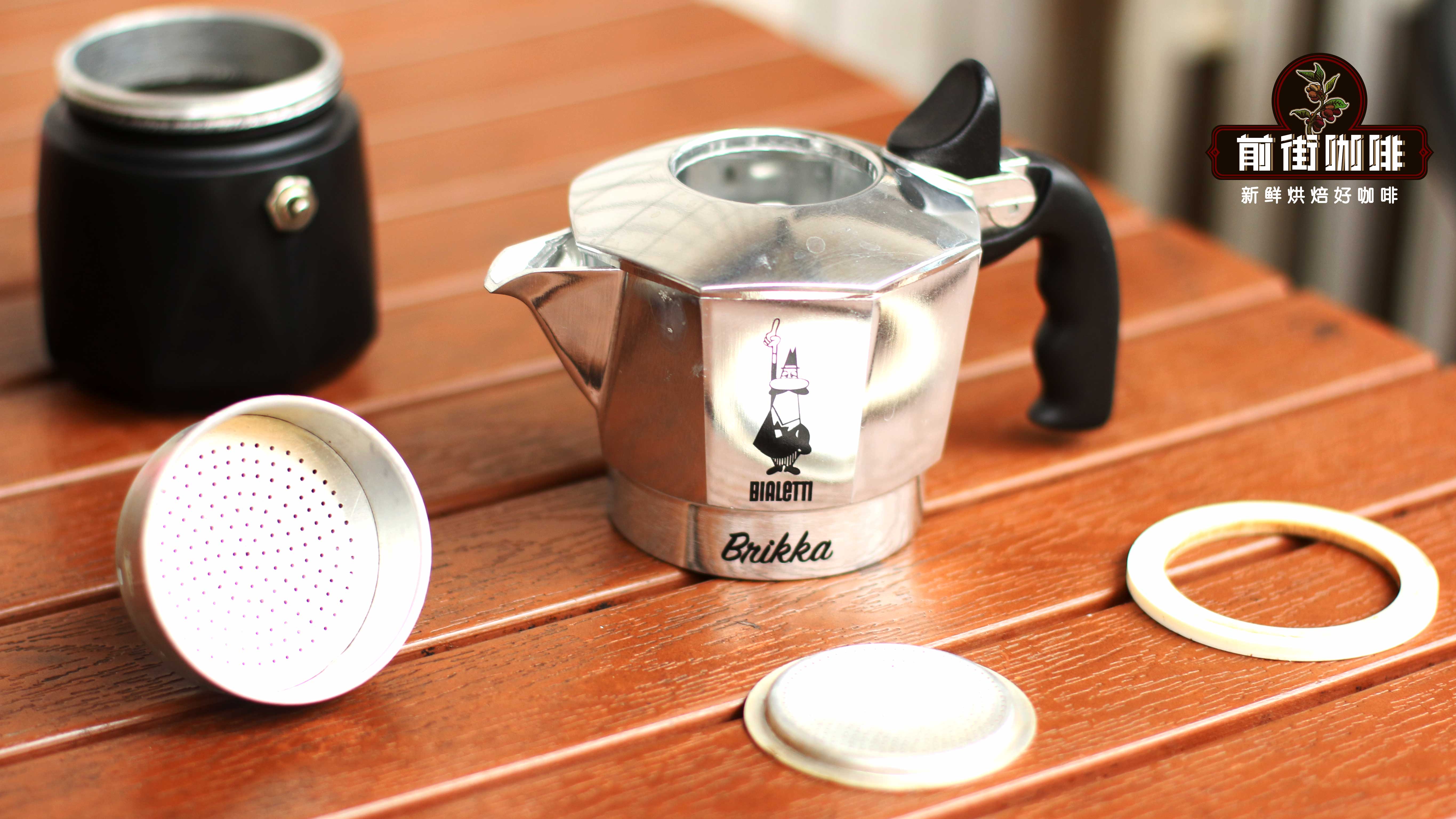
Before you begin, please note: when cleaning your moka pot, simply rinse the exterior and interior with water. Never put it in a dishwasher, and it’s not recommended to sterilize it by boiling water for a long time. These practices can easily damage the protective layer on the surface of the pot, making it more prone to oxidation or even mold growth. Proper basic cleaning is the first and indispensable step in the seasoning process.
So, how should you properly season your moka pot? The operation is actually not complicated—you just need to brew three consecutive pots of coffee using the normal method: fill with water, add coffee grounds, tighten the upper and lower chambers, heat and extract, then discard the brewed coffee and thoroughly clean the pot. Repeat this process three times, and the seasoning is complete. But be especially aware that the coffee brewed during these first three times is not recommended for drinking, as it may contain trace manufacturing residues—just discard it. Next, there are some important usage details you need to know.
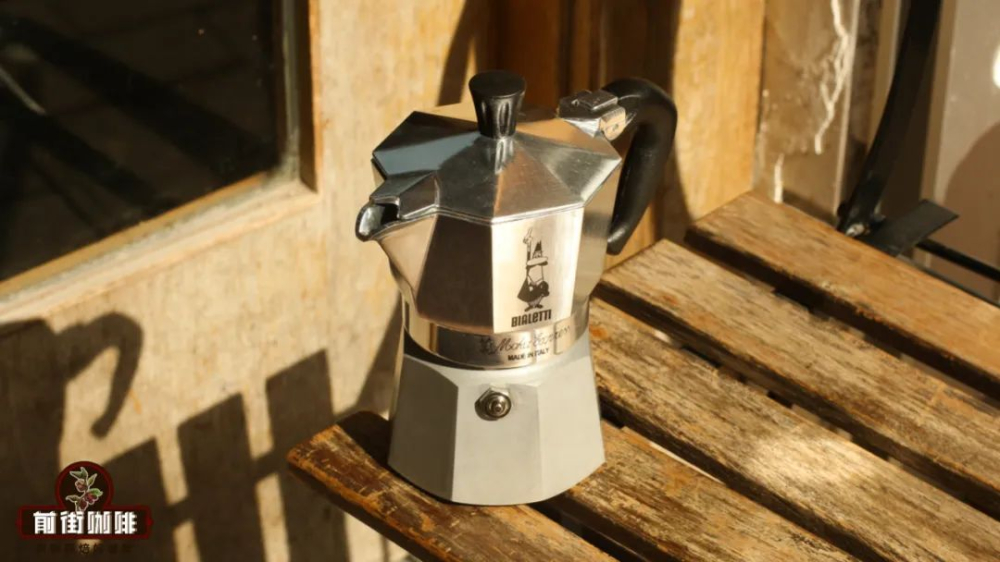
First, it’s best not to use only water when seasoning. Some users, in order not to waste coffee beans, might choose to season the moka pot by adding only water without coffee grounds. However, this carries a very high risk of scalding. When an appropriate amount of coffee grounds is placed in the filter basket, the coffee bed creates a certain resistance, allowing the hot water to pass through slowly and thus ensuring a stable extraction. But if you season the pot without adding coffee grounds, the heated water, lacking resistance, may be forcefully ejected from the safety valve under steam pressure. At this point, the water temperature is close to boiling, and if you’re not prepared, it can easily cause serious burns. Therefore, it is recommended to still use coffee grounds when seasoning—even if they are lower-quality aged beans or beans you don’t often use—this at least helps reduce the guilt of wasting good coffee.
Secondly, if you notice during heating that the coffee liquid is not flowing out for a long time, stop heating immediately. This is usually because too much coffee has been added, or the grind is too fine, resulting in an overly compact coffee puck that prevents water from passing through smoothly. As a result, pressure inside the lower chamber continues to build up, and once it exceeds the tolerance limit, it may lead to an explosion or pot failure. Therefore, if you encounter slow or stalled water flow during extraction, turn off the heat immediately to avoid danger.
Finally, cleaning after use and proper storage are also key steps to ensuring the longevity of your moka pot. After each use, rinse the pot thoroughly with water, especially the filter basket and filter screen, to avoid leaving coffee grounds behind. After cleaning, remember to completely dry the moka pot and let it air-dry in a ventilated area before storing it in the cabinet. If any moisture is left inside before storing, it can not only lead to oxidation of the pot but also encourage mold growth—or you might even find mysterious spots or discoloration inside the pot. If such issues have already occurred, you can try gently wiping with lemon slices or diluted white vinegar, which can help remove stains and rust marks. However, the best approach is to make sure the moka pot is completely dry before storing it away.
The above content is compiled by CoffeeHunters, a coffee news website.


