







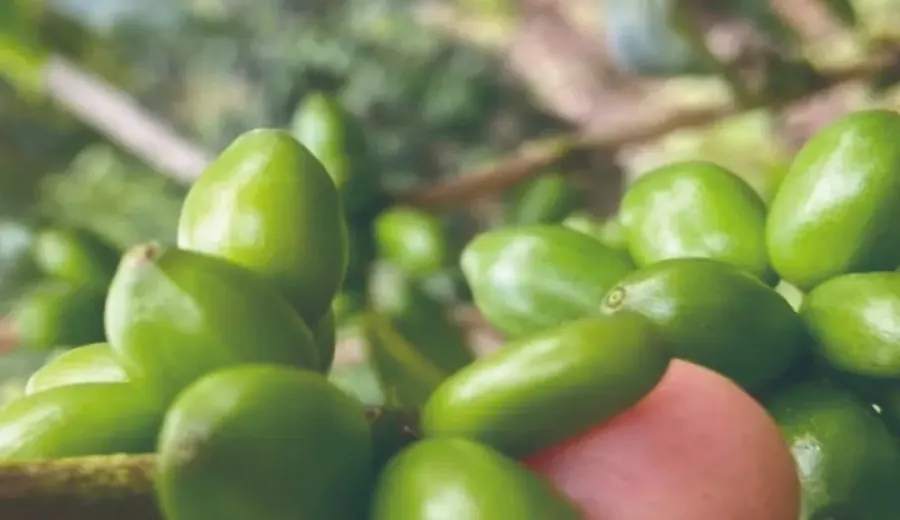
Introduction:The Papayo (Papayo) coffee variety has gradually emerged in high-altitude regions such as Huila, Colombia, in recent years due to its unique fruit shape and flavor potential. This article delves into the origin of its name, debates over its differences from common varieties, optimal planting altitudes and processing methods, and introduces this rare coffee bean with complex flavors and strong adaptability. It also provides practical flavor characteristics and roasting recommendations to help you explore the diverse appeal of emerging specialty coffee.
In the world of specialty coffee, the discovery of new varieties is always exciting. In recent years, a coffee variety called Papayo has begun to attract the attention of coffee farmers and competition judges in Colombia’s Huila region, thanks to its distinctive appearance and outstanding flavor performance. This is not just a coffee cherry with a unique look, but also one that harbors rich flavor potential, making it worthy of deeper exploration by coffee enthusiasts.
The Papayo coffee variety, also known as Papayu, derives its name from the shape of its coffee cherries—its long, oval appearance bears some resemblance to papaya fruit, hence the name. This unique fruit shape gives it high recognizability among numerous coffee varieties and makes it more memorable in competitions. Although it is not yet as widely known as Geisha or Gesha, its potential is gradually becoming evident.
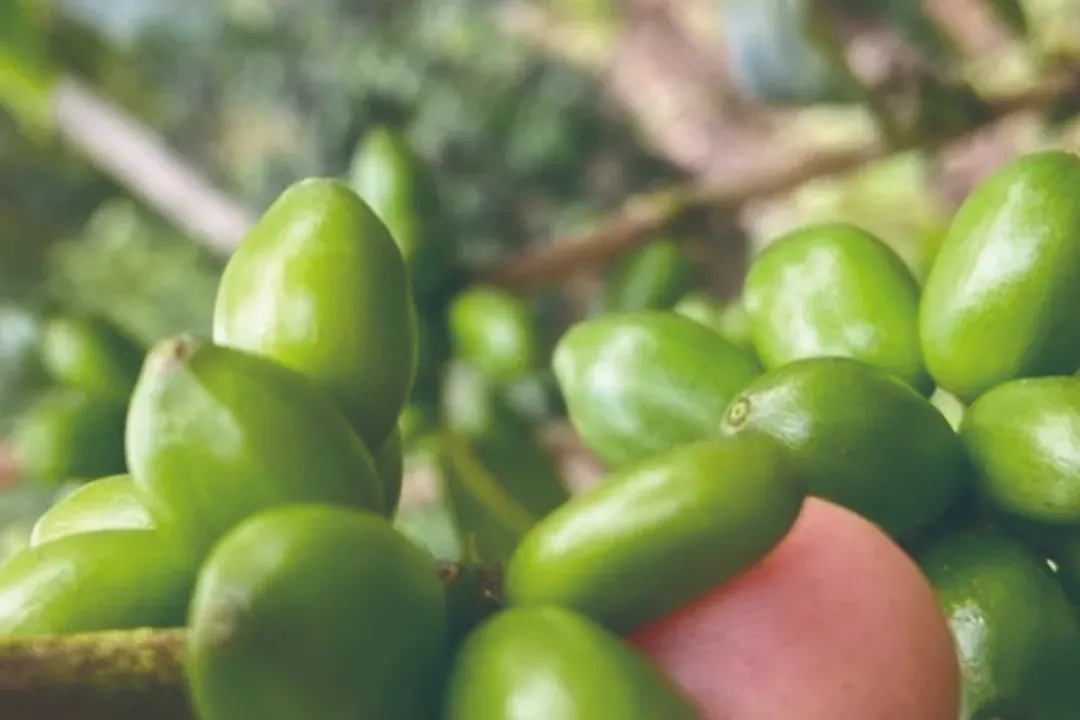
Many coffee enthusiasts tend to confuse Papayo (Papayo) with Obligon due to both originating from Colombia’s Huila region and sharing certain visual similarities. However, according to a research report by the World Coffee Research Institute, there is currently no conclusive evidence that these two varieties belong to the same category. To truly clarify the origin of the Papayo variety, more field research and genetic comparisons are needed to verify its unique identity.
According to Miller Bustos, manager of Finca El Mirador in Colombia, the Papayo variety demonstrates advantages in high yield during actual cultivation, particularly excelling in flavor performance at altitudes between 1400 and 2000 meters. This altitude range coincides with the core production areas of many Colombian specialty coffees, helping the beans accumulate rich flavor compounds.
In the green bean processing stage, the Papayo variety is highly adaptable, exhibiting good cupping performance whether processed via washed, natural, or honey methods. Among these, washed processing often brings out more pronounced chocolate flavors, accompanied by a creamy body and caramel sweetness; natural processing highlights the vibrant fruity aromas of tropical fruits, with a more direct sweetness. Some producers also experiment with advanced methods like anaerobic fermentation to further explore its flavor layers.
In terms of flavor, the Papayo variety delivers quite a rich profile, often featuring tropical fruit notes such as mango, pineapple, papaya, and cherry, with a bright acidity akin to lemon, a full sweetness, and a smooth mouthfeel, all contributing to excellent overall balance. These qualities often earn it high scores in cupping evaluations, making it a promising contender in competitions.
It’s worth noting that Papayo beans are relatively large in size, which means a longer development time is required during roasting to ensure sufficient sugar conversion and unlock more complex flavor layers. For roasters, mastering an appropriate roasting curve is crucial, and it is recommended to explore its best performance within the medium to medium-dark roast range.
Currently, the Papayo variety has won multiple awards in local coffee competitions in Huila, Colombia. Although its cultivation remains concentrated in specific areas, as more farmers recognize its dual advantages in yield and flavor, it is expected that more specialty coffee beans from this unique variety will appear on the market in the coming years, bringing coffee enthusiasts a brand-new taste experience.
The above content is compiled by CoffeeHunters, a coffee news website.


