







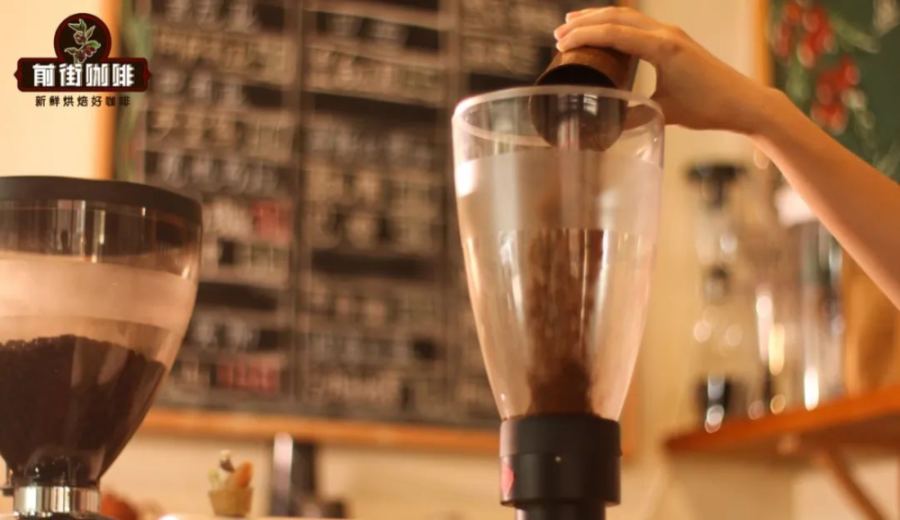
Introduction:Have you heard that "double grinding" can adjust the particle size of coffee grounds? While this technique has appeared in competitions, it comes with hidden challenges in practical use—such as burr wear, excessive fines, and cleaning difficulties. This article dives into how double grinding affects both electric and hand-operated grinders, explains why too many fines can lead to over-extraction, and offers practical adjustments for water temperature, filter type, and pouring technique to help you optimize extraction efficiency while reducing machine maintenance.
In the world of specialty coffee, achieving the perfect coffee ground particle size is one of the key factors influencing the flavor of a pour over. Some competition brewers have used the so-called "double grinding" method during contests, attempting to fine-tune the particle distribution by grinding again to achieve more precise extraction. However, real-world results are not as smooth as expected—not only may it lead to an excess of fines, but it also poses a significant challenge, especially for electric grinders.
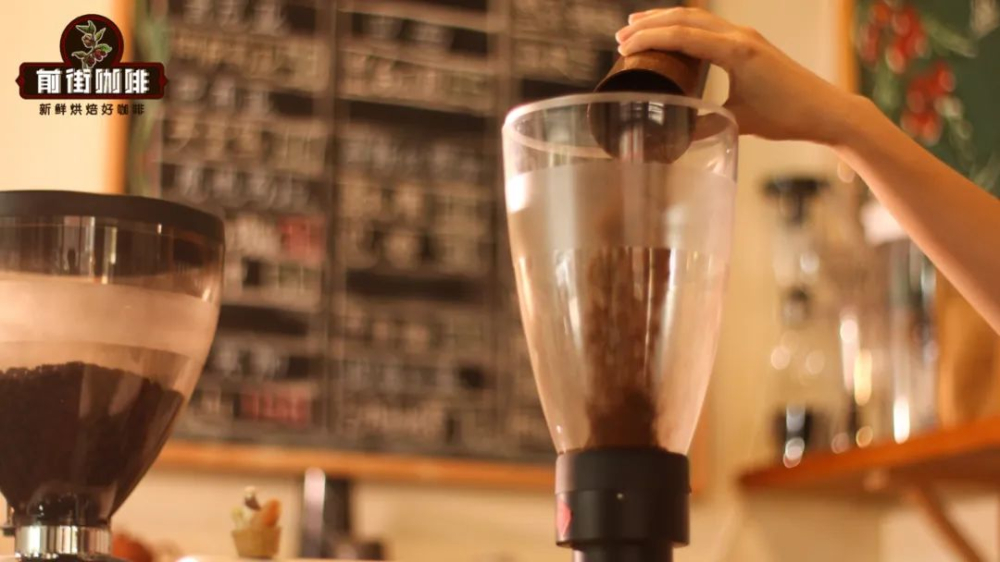
As we all know, the function of a grinder is to grind whole coffee beans into uniform grounds. Logically, if it can grind whole beans into fine particles, grinding coarser grounds a second time should theoretically also achieve the desired particle size. But in reality, when you send already-ground coffee through the burrs again, it triggers a series of effects that are detrimental to both extraction and the grinder itself.
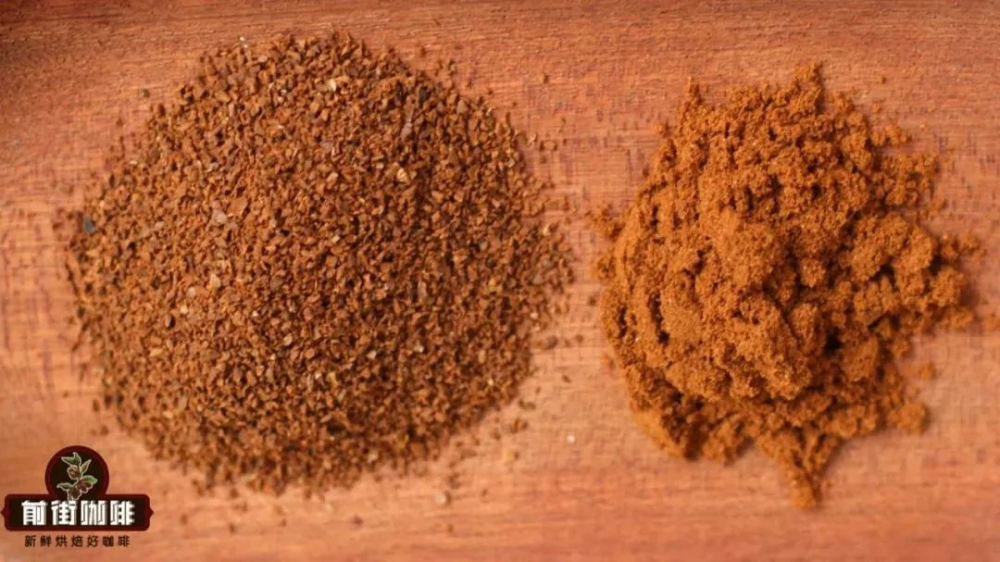
The first issue is the problem of fines. During the initial grind, it’s inevitable that a large number of extremely fine particles—smaller than 0.25mm—are produced. These so-called "fines," while small amounts can add complexity to the coffee, can quickly become problematic when their quantity surges. They not only tend to clog paper filters or filter holes but also significantly increase the risk of over-extraction, resulting in a bitter and off-flavored cup.
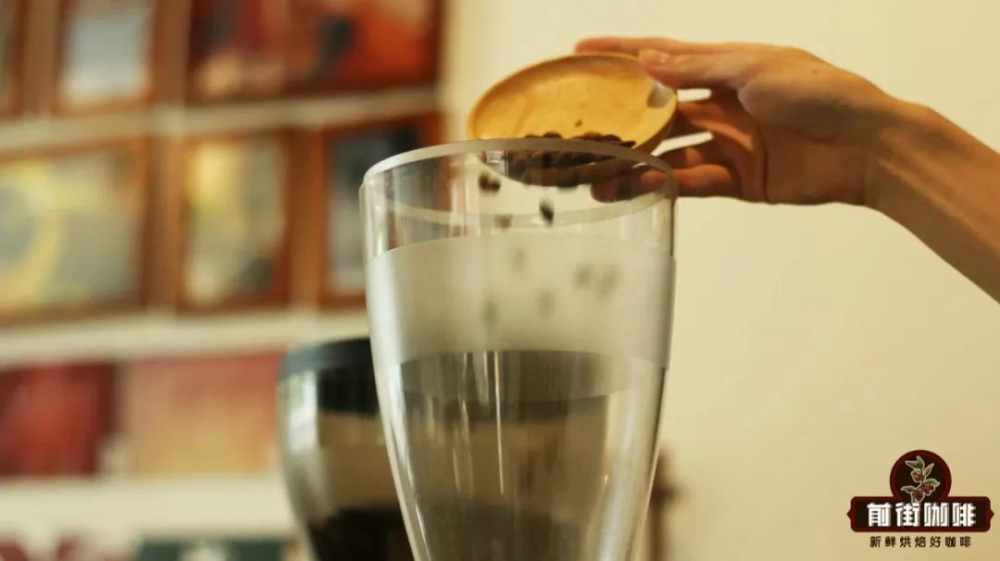
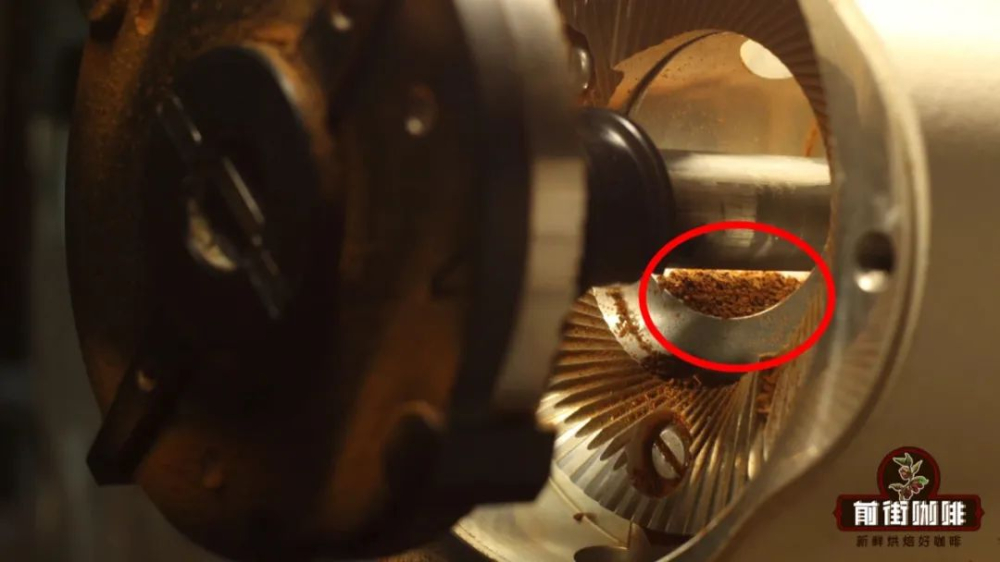
Another commonly overlooked issue is the "powder retention" phenomenon common in grinders. Because there needs to be a proper gap between the burrs and the grinder housing to allow for operation, these gaps often become hiding places for coffee powder. When coffee powder gets trapped in these crevices, it may fail to discharge due to static cling or physical blockage, leading to an actual output of powder that is less than the theoretical amount. Some users might find that after putting in 20 grams of coffee beans, they only get about 19.8 grams of coffee grounds—a seemingly minor difference—but if double grinding is performed repeatedly, the problem becomes significantly magnified.
Even more serious is that double grinding further increases static electricity, causing more coffee powder to stick to areas inside the grinder that the burrs can’t reach. Practical tests have shown that 19.8 grams of coffee powder, after being double-ground, may only yield 13.8 grams recovered—meaning up to 6 grams of powder remain trapped inside the machine. These residual grounds not only affect the purity of flavor in subsequent extractions but can also contaminate the next batch of coffee if not cleaned promptly.
Notably, this residual powder issue is particularly tricky with electric grinders. Due to their typically enclosed structure and difficulty in disassembly for cleaning, inadequate maintenance can not only lead to burr clogging but may even affect the overall performance of the machine. In contrast, hand grinders have a simpler structure and are easier to take apart, making them relatively convenient to clean and less burdensome for users.
All things considered, although double grinding may theoretically allow for fine-tuning particle size, the resulting increase in fines, machine wear, and cleaning difficulties make it unsuitable for daily brewing. If you still hope to address under-extraction caused by improper grind size, consider adjusting other parameters instead.
For example, you could try slightly increasing the water temperature by 2–3°C to enhance the dissolution efficiency of coffee compounds. Alternatively, switch to a slower-flowing filter such as a Kono or Melitta #4 filter to extend the contact time between coffee liquid and the coffee bed. Additionally, moderately increasing stirring during pouring can promote more even extraction. These adjustments require no machine modifications or extra expenses, yet can effectively compensate for extraction losses due to a coarser grind—of course, provided your grind isn’t too coarse to begin with, otherwise under-extraction issues may persist.
The above content is compiled by CoffeeHunters, a coffee news website.


