







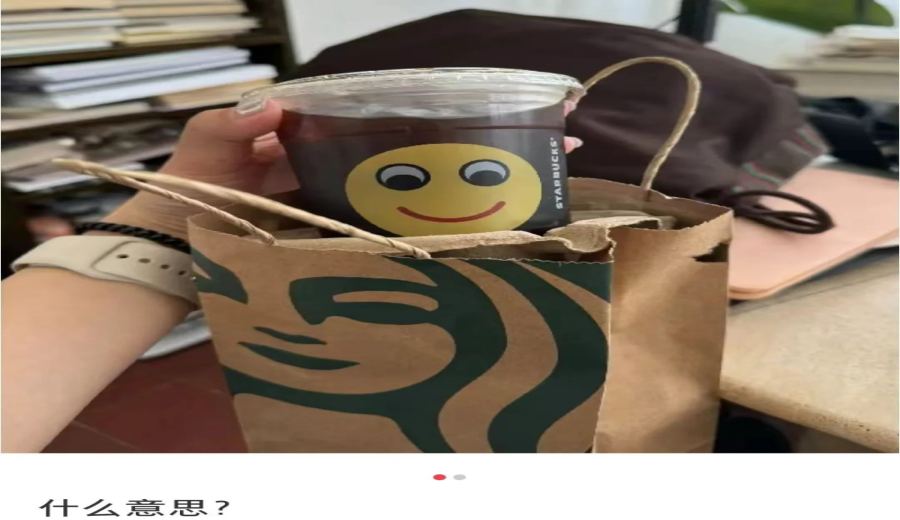
Introduction:The emoji-themed ice cup co-launched by Starbucks and Tencent, where the first row of smiley icons was interpreted by netizens as "passive-aggressive," sparked widespread discussion. While the design was originally meant to resonate with chat app culture, it unexpectedly became a vehicle for office workers to express their emotions. This article analyzes the reasons behind the shift in the context of internet memes, explores how brand collaborations tap into consumer psychology, and offers practical advice for selecting similar merchandise.
Recently, Starbucks and Tencent jointly released a limited-edition ice cup featuring five highly recognizable chat emojis—smile, grinning, cool, awkward smile, and love. Originally created as a collaboration souvenir, this product unexpectedly stirred up an unforeseen wave of debate due to the semantic evolution of its main emojis in the age of social media.
In particular, the yellow smiley symbol at the front of the arrangement is often given the subtext of "a fake smile" in contemporary online communication. Many young users mentioned that their first impression of the icon on the drink cup was that the brand was subtly mocking customers' moods. Some customers who received delivery orders even intuitively felt that Starbucks was conveying some kind of implicit message through this merchandise.
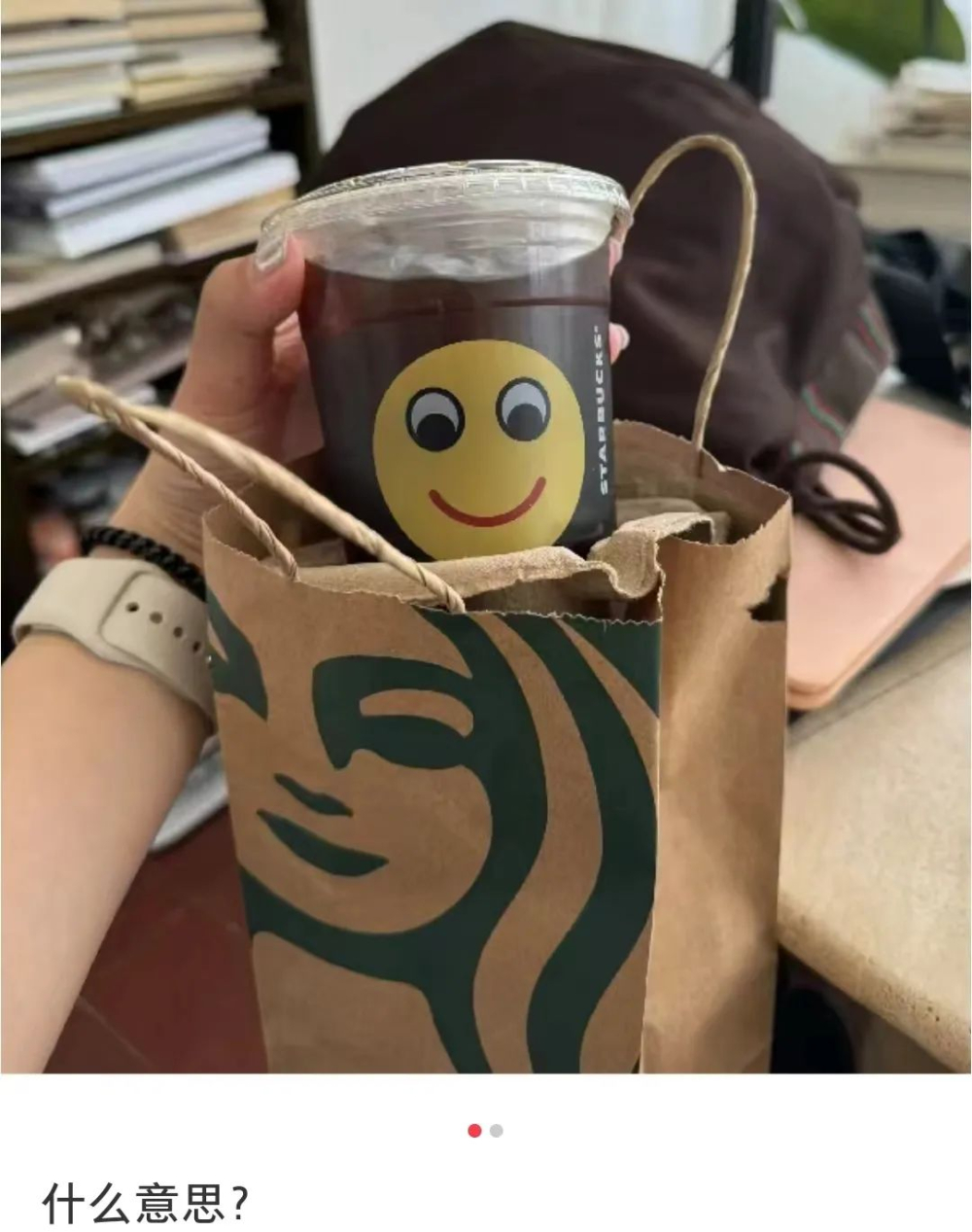
In fact, the original design of this collaboration series featured multiple mini emoji symbols surrounding the brand logo. After recent adjustments, it was changed to display a single large icon, including the five commonly seen chat elements mentioned above. The design team admitted that the selection of these icons was initially intended to echo the collaboration with Tencent while also evoking collective memories of instant messaging apps among users.
It’s worth noting that the actual perception of emojis can vary significantly depending on the context in which they’re used. For instance, the widely discussed smiley icon traditionally represents a friendly response, but in millennial online conversations, it is often transformed into a non-verbal act carrying ironic undertones. This phenomenon of semantic drift has led some customers to interpret the product as a targeted expression of emotion.
Interestingly, the very design elements that could have sparked controversy have instead formed a unique resonance among office workers.Many professionals specifically request to use this “smiley cup.”, viewing it as a humorous outlet for daily work stress. On social platforms such as Xiaohongshu, users share their experiences with what they call “office worker–exclusive cups,” describing how holding a coffee cup printed with subtle expressions allows them to dramatically convey their feelings about workplace situations.
Industry observers point out that this case highlights the potential risks of cross-cultural miscommunication in brand collaboration products. Although emojis have a globally basic level of recognition, interpretations of specific icons can vary significantly across different regions. A joke privately circulated among Starbucks employees—"even the cups are passive-aggressively roasting the staff"—aptly reflects the real-world impact of such contextual mismatches.
For coffee enthusiasts looking to collect similar merchandise, three key purchasing considerations are recommended: first, confirm the original context of the graphic design; second, check whether the merchandise comes with any official explanatory notes; and third, refer to actual user feedback on social media. Experts caution that design elements with potential double meanings, while capable of generating buzz, may also lead to misunderstandings among some consumers.
The above content is compiled by CoffeeHunters, a coffee news website.


